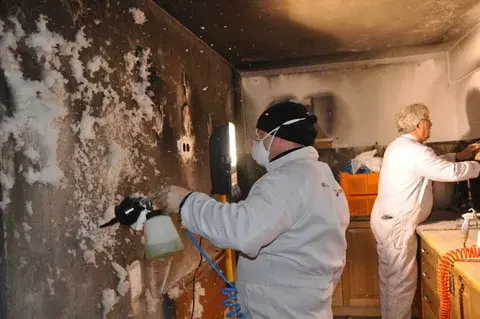
Understanding Fire Damage Repair and Restoration in Vancleave
About
A fire can change the condition of a property within a short period of time. Flames may damage structural components and personal belongings, while smoke and soot can spread into rooms that were not directly affected by the fire. Water used during firefighting can also create additional moisture-related concerns.
Recovering from fire damage therefore involves more than addressing visibly burned areas. The property may need to be assessed for structural damage, smoke residue, odors, water exposure, and materials that require cleaning or replacement. Restoration providers serving Vancleave identify fire, smoke, and related water damage as situations that can require coordinated cleanup and repair.
Fire Damage Repair Vancleave MS
When a property has been affected by a fire, Fire Damage Repair Vancleave MS can involve evaluating damaged building materials, removing components that cannot be preserved, repairing affected surfaces, and addressing secondary damage. The appropriate repair process depends on the size of the fire, the areas affected, the type of materials involved, and the extent of smoke and water exposure.
A small localized fire may leave damage in one room, while a larger incident can affect ceilings, walls, flooring, electrical systems, insulation, and other areas. Before repairs begin, the property should be evaluated as a whole rather than focusing only on the visibly burned section.
Assessing the Property After a Fire
The first stage of recovery is understanding what happened to the building. Areas directly exposed to flames may have obvious damage, but smoke can travel through openings, ventilation systems, wall cavities, and other pathways.
Water from firefighting can also move into flooring, walls, ceilings, and other materials. This means that a property may have several different categories of damage that need to be considered separately.
Documentation can be useful during this stage. Photographs, written observations, and records of affected rooms can help property owners maintain a clear record of the condition of the building.
Addressing Structural Damage
Fire can weaken or destroy portions of a building depending on the intensity and duration of the incident. Framing, roof components, drywall, insulation, flooring, doors, and other materials may require inspection.
Not every affected component will necessarily need replacement. The condition and extent of damage should be evaluated before decisions are made about what can remain and what must be removed.
Structural concerns should take priority over cosmetic repairs. Painting or replacing visible finishes does not address underlying damage if framing or other building components have been compromised.
Managing Smoke and Soot
Smoke can affect areas beyond the immediate location of the fire. Soot particles may settle on walls, ceilings, furniture, fixtures, and personal belongings.
Different types of smoke residue can behave differently depending on what materials burned. Some residues may be oily or sticky, while others can be dry and powdery.
Cleaning methods should therefore be selected according to the affected surface and the type of residue present. Improper cleaning techniques may spread soot or cause additional surface damage.
Cleaning Affected Surfaces
Fire cleanup can involve walls, ceilings, floors, cabinets, fixtures, and other surfaces. The condition of each material should be considered before cleaning begins.
Some nonporous surfaces may be cleaned and preserved, while porous materials may absorb smoke residues or odors more deeply. Items that have been heavily damaged may require removal rather than surface cleaning.
A systematic approach can help separate salvageable belongings from materials that have suffered extensive damage.
Managing Smoke Odors
Smoke odors can remain after visible soot has been removed. Odor can become embedded in porous materials such as fabrics, carpeting, insulation, and certain wood products.
The source of the odor should be identified before treatment is selected. Simply masking an odor does not necessarily remove the residue causing it.
Ventilation, cleaning, material removal, and specialized odor-control methods may all have a role depending on the circumstances.
Evaluating Water Damage
Firefighting activities can introduce significant amounts of water into a building. This water can create a separate set of concerns if it remains inside floors, walls, ceilings, or other materials.
Moisture should therefore be evaluated after a fire, particularly in areas where water accumulated. Drying may be required before damaged surfaces can be repaired or enclosed.
Restoration providers serving Vancleave list both fire and water damage among the property conditions they address, reflecting the connection between firefighting and secondary water damage.
Fire Damage Restoration Vancleave MS
Once the property has been assessed, Fire Damage Restoration Vancleave MS can include smoke and soot cleanup, drying, damaged-material removal, cleaning of belongings, odor management, and repairs. The exact sequence depends on the property's condition and the source and extent of the damage.
Restoration work may involve several stages rather than one single cleaning task. Local services covering Vancleave describe fire cleanup, smoke damage, water damage, odor removal, and construction or repair work as related parts of property recovery.
Protecting the Property From Further Damage
After a fire, exposed areas of the building may be vulnerable to weather, unauthorized entry, or additional water intrusion. Openings in walls, windows, doors, and roofs may need to be secured as appropriate.
Temporary protection can help reduce additional exposure while the property is being evaluated and repaired.
Any stabilization work should take into account the condition of the building and potential safety hazards.
Handling Personal Belongings
Fire damage can affect furniture, clothing, electronics, documents, appliances, and other personal belongings. Some items may have smoke residue without being directly burned.
Belongings can be separated according to their condition and the possibility of cleaning or restoration. Items with extensive fire damage may not be suitable for recovery.
Photographing and documenting belongings before moving or discarding them can also help maintain an organized record of the loss.
Considering Electrical and HVAC Systems
Fire and smoke can affect electrical equipment, wiring, outlets, appliances, and HVAC components. Water used during firefighting can create additional concerns for these systems.
Equipment that may have been exposed to fire, smoke, or water should be evaluated before being returned to normal use.
HVAC systems deserve particular attention because smoke particles and odors can travel through ducts. Cleaning or evaluating affected components may therefore be part of the restoration process when the system has been exposed.
Managing Repairs and Rebuilding
Once damaged materials have been removed and the property has been cleaned and dried, repair work can begin. This may include replacing drywall, insulation, flooring, cabinetry, ceilings, doors, or other components.
The rebuilding stage should follow the condition of the underlying structure. Completing cosmetic work before addressing hidden damage can result in additional problems later.
Keeping repair work organized by room or affected system can make the overall project easier to track.
Documenting the Restoration Process
Fire recovery can involve many stages, so keeping organized records is useful. Property owners can document damaged rooms, affected belongings, cleanup activities, repairs, and replaced materials.
Photographs can provide a visual record of the property's condition before and during restoration. Written notes can also help track the progression of the work.
Insurance documentation may require additional records depending on the policy and circumstances of the loss. Property owners should follow the instructions provided by their insurance carrier when submitting a claim.
Creating a Practical Recovery Plan
Fire damage recovery is easier to organize when the work is approached in stages. The property can first be evaluated for safety and structural concerns, followed by stabilization, smoke and soot cleanup, moisture management, material removal, and repairs.
Each property will have different requirements depending on the size and source of the fire. A small kitchen fire may primarily involve localized smoke and surface damage, while a larger incident can require extensive cleaning, demolition, drying, and rebuilding.
By evaluating both direct fire damage and secondary effects such as smoke, soot, and water exposure, property owners in Vancleave can develop a clearer understanding of the work required to return an affected building to usable condition.