Practical Ways to Reduce Tick Problems Around Your Leesburg Lawn
About
Ticks can become an outdoor nuisance when lawns are close to wooded areas, brush, tall vegetation, or places where wildlife and pets regularly travel. Florida's climate allows ticks to remain active throughout much of the year, making routine yard management an important part of reducing exposure. UF/IFAS notes that ticks can be found throughout Florida and recommends landscaping practices that reduce suitable tick habitat.
Tick management is not simply about treating visible insects. The surrounding landscape, vegetation, moisture, wildlife activity, pets, and condition of the lawn can all influence where ticks are likely to occur. A practical approach combines regular maintenance with appropriate monitoring and targeted control when necessary.
Understanding Where Ticks Can Be Found
For homeowners considering Lawn Tick Control Leesburg FL, understanding where ticks are likely to occur can help focus attention on higher-risk areas. Ticks commonly use grassy, brushy, or wooded environments and may be transported around a property by animals. The brown dog tick is also associated closely with dogs and can survive both indoors and outdoors.
Keeping Grass Properly Mowed
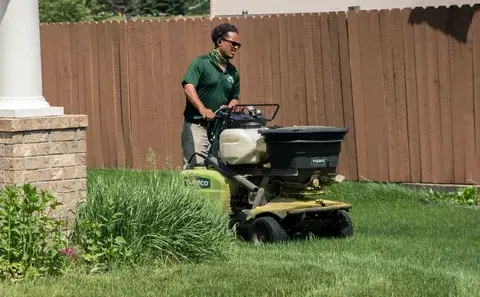
Regular mowing can help make a lawn less favorable to ticks by reducing tall vegetation and improving exposure to sunlight. UF/IFAS specifically recommends keeping grass short as part of reducing tick habitat around Florida homes. Maintaining appropriate mowing practices also supports general turf health, making it a useful part of an overall lawn maintenance routine.
Clearing Leaves and Yard Debris
Leaf litter, brush piles, fallen branches, and other organic debris can create shaded and protected areas where ticks may find suitable conditions. Regularly clearing these materials from frequently used sections of the yard can help reduce potential tick habitat. Keeping property edges maintained can be particularly useful where lawns meet wooded or naturally vegetated areas.
Managing Brush Around the Property
Dense vegetation can provide shelter for both ticks and the animals that carry them. Homeowners can trim shrubs, low branches, and overgrown vegetation around commonly used outdoor areas. Improving sunlight and air movement can make these locations less favorable for ticks while also keeping the landscape easier to inspect. UF/IFAS recommends trimming shrubs and low-hanging branches as part of Florida yard tick management.
Creating a Buffer Near Wooded Areas
Properties bordering woods or natural vegetation may benefit from creating a separation between frequently used lawn areas and the surrounding habitat. UF/IFAS recommends options such as a three-foot-wide barrier of gravel or wood chips between lawns and wooded areas. This can help create a clearer boundary and reduce direct contact with vegetation where ticks may be present.
Reducing Wildlife Activity
Wildlife can contribute to tick movement because many tick species use animals as hosts. Homeowners can reduce conditions that attract unwanted wildlife by keeping garbage containers secured, removing fallen fruit, limiting food sources left outdoors, and reducing brushy hiding places. Fencing may also be considered where appropriate to discourage larger animals from entering frequently used lawn areas.
Protecting Pets From Ticks
Dogs and outdoor cats can bring ticks into the yard or home after spending time in areas where ticks are present. Regularly checking pets after outdoor activity can help identify attached ticks early. The CDC recommends discussing appropriate tick-prevention products for dogs with a veterinarian and consulting a veterinarian before using tick-prevention products on cats.
Checking Outdoor Areas Regularly
Routine inspection can help identify changes before a tick problem becomes more difficult to manage. Homeowners can pay particular attention to lawn edges, shaded vegetation, pathways near wooded areas, pet-accessible spaces, and locations where wildlife activity is noticeable. Keeping track of where ticks are found can help identify patterns and determine which areas may require additional attention.
Considering Targeted Tick Treatments
Landscaping changes can reduce favorable habitat, but persistent tick activity may require additional control measures. UF/IFAS notes that targeted professional treatments can be considered for properties with continuing tick problems and may be combined with habitat modifications. Treatments should focus on appropriate areas rather than automatically applying products throughout the entire property.
Using Pest Treatments Carefully
Pesticides can reduce ticks in treated outdoor areas, but they should be used according to applicable label directions. The CDC advises homeowners to consider local guidance concerning the appropriate pesticide, timing, and residential application requirements. Using pesticides together with landscaping changes can provide a more comprehensive approach than relying on spraying alone.
Maintaining a Cleaner Lawn Environment
General lawn care can contribute to tick management even when ticks are not the primary reason for maintaining the property. Appropriate mowing, vegetation management, efficient irrigation, and removal of unnecessary debris can support a cleaner and more manageable landscape. UF/IFAS promotes integrated pest management approaches that combine multiple methods instead of relying exclusively on pesticide applications.
Taking Precautions While Outdoors
Even after landscaping improvements or pest treatment, homeowners should continue taking reasonable precautions in areas where ticks may occur. Wearing clothing that covers exposed skin, using an appropriate EPA-registered repellent according to its label, and checking the body and clothing after outdoor activities can help reduce exposure. UF/IFAS also recommends checking pets after time spent outdoors.
Monitoring the Yard Over Time
Tick management should be viewed as an ongoing process rather than a one-time task. Florida's climate allows ticks to remain active during much of the year, so seasonal changes in vegetation, wildlife activity, and lawn conditions can influence the situation. Regular mowing, clearing vegetation, maintaining property edges, and observing areas where ticks have previously been found can help homeowners respond to changing conditions.
Creating a Practical Tick Management Routine
Reducing tick activity around a home involves several connected steps. Keeping grass maintained, clearing leaf litter, trimming vegetation, reducing wildlife attractants, protecting pets, and monitoring higher-risk areas can all contribute to a more manageable outdoor environment. When these measures are combined with targeted control where appropriate, homeowners can address both the habitat and the pests themselves.
Making Your Leesburg Lawn Easier to Enjoy
A tick concern does not necessarily mean that an entire property requires extensive treatment. Identifying where ticks are occurring and addressing the conditions that support them can help create a more focused management plan. For homeowners experiencing recurring tick activity in Leesburg, Lawn Tick Control Leesburg FL can be considered as part of a broader strategy that combines lawn maintenance, habitat reduction, monitoring, and appropriate pest control.
If you are finding ticks around your lawn, pets, or frequently used outdoor areas, consider arranging an appropriate lawn and pest assessment. Contact a lawn-care service today to discuss the areas where ticks are appearing, your property's vegetation and lawn conditions, pet activity, and suitable next steps for your Leesburg property.