Rick Owens Jackets Show His Unique Design Philosophy
Posted by rick4567 Rickowen
Filed in Other 15 views
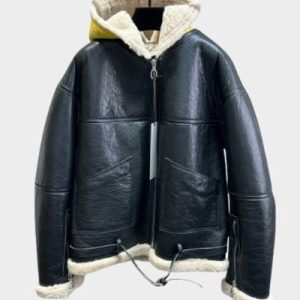
Ask ten designers what they're trying to say with a jacket and most won't have a real answer beyond "looks good, sells well." Owens actually has one, and it's stayed remarkably consistent across three decades — something about clothes existing to protect and empower rather than decorate, borrowed as much from architecture and punk as from anything happening inside fashion itself.Point up front: Rick Owens jackets reveal a design philosophy built around a few consistent, almost stubborn beliefs — that structure matters more than decoration, that imperfection reads as more honest than polish, and that clothing should give the wearer a kind of physical armor rather than just aesthetic appeal. Every detail traces back to one of those three ideas, which is rare enough in fashion to be worth actually examining.
The Philosophy Didn't Come From Fashion School
Owens has talked about this openly. He didn't train formally the way most luxury designers did, and that gap shows up in how differently he approached rick owens whole problem. Instead of learning traditional construction rules and choosing where to break them, he mostly built his own logic from scratch informed by things outside fashion entirely. Brutalist architecture. LA punk scenes he actually lived through. A general suspicion of anything that looked too finished or too eager to please.That outsider starting point matters. Designers trained inside the system tend to break rules strategically. Owens seems to have skipped learning most of the rules in the first place.
Structure Over Decoration, Consistently
This is probably the clearest throughline across every jacket the brand makes. Nearly everything gets stripped back to shape and material — no prints, minimal branding, color kept within a tight, muted range. What's left has to justify itself entirely through construction. The dropped shoulder isn't decorated, it's just architecturally present. The hem isn't printed to look distressed, it's actually treated to be that way.That's a philosophy choice as much as an aesthetic one. Decoration is often used to disguise weak construction. Owens removed that option for himself entirely, which only works because the underlying construction is strong enough to stand alone.
Why Imperfection Reads as Honesty in His Work
Raw hems. Asymmetric closures. Seams placed wherever draping naturally put them rather than where a symmetrical template says they should go. None of that reads as sloppy once you understand it's deliberate — it reads as a rejection of the idea that clothing needs to look flawless to be considered well-made.There's a specific belief embedded in that choice. Polish can feel dishonest, like something's being hidden. Visible construction, visible asymmetry — that reads as more transparent about what the garment actually is and how it was actually made.
Clothing as Armor, Not Just Covering
Owens has described wanting his clothes to make people feel physically stronger, more grounded, almost protected. That's a different goal than most fashion, which tends to prioritize flattering a body's existing shape. His jackets do something closer to giving the wearer a new shape entirely — structural, weighted, present in a way that doesn't depend on what's underneath.That philosophy explains a lot about why people describe an emotional connection to these jackets that goes beyond normal outerwear attachment. Armor means something different than clothing. People who felt that shift while wearing one aren't exaggerating a marketing line. They're responding to a design intention that was built in on purpose.
How the Philosophy Connects to Specific Design Choices
|
Philosophical Belief |
How It Shows Up |
Example Detail |
|
Structure over decoration |
Minimal branding, restrained color |
Black/charcoal palette, no prints |
|
Honesty through imperfection |
Raw, unfinished-looking edges |
Distressed hems, visible seams |
|
Clothing as armor |
Weighted, structural silhouette |
Dropped shoulder, heavy leather |
|
Rejection of gendered assumptions |
Consistent silhouette across collections |
Same core shape in men's/women's lines |
|
Function alongside drama |
Movement-friendly despite bold shape |
Draping over rigid tailoring |
Each row traces back to the same handful of convictions, applied consistently rather than shifting season to season.
Does This Philosophy Ever Conflict With Commercial Pressure
Sometimes, and Owens has generally chosen the philosophy over the sale — the brand never significantly softened its silhouette or color restraint to chase broader appeal, even once real commercial success arrived and gave every incentive to do so. That's a meaningful test of whether a stated design philosophy is genuine or just marketing language. Plenty of designers claim a worldview and abandon it the moment growth requires compromise. The consistency here across decades suggests the philosophy actually drives decisions rather than just describing them after the fact.
Why This Is Hard to Separate From His Personal History
The philosophy isn't abstract theory applied to fabric. It traces back to specific lived experience — growing up around LA punk culture, developing a fascination with Brutalist buildings, apparently building pattern-making skills through trial and error rather than formal instruction. Those aren't stylistic references picked for effect. They're the actual sources the philosophy grew out of, which is part of why it's held up consistently rather than feeling like a costume applied to appear deep.
My Honest Take
I think most fashion philosophy is retroactive — a brand does something for practical or trend-driven reasons, then a marketing team builds a story around it afterward that sounds more intentional than the original decision actually was. Owens seems to be one of the rarer cases where the philosophy came first and the jacket details followed from it, not the other way around. That's a hard thing to verify from outside a design studio, obviously. But the consistency across thirty years of jackets, all tracing back to the same handful of convictions, makes the retroactive-story explanation a lot less believable than it would be for most brands.
Bottom Line
Rick Owens jackets show a design philosophy that's stayed remarkably consistent structure over decoration, honesty through visible imperfection, clothing built to feel like armor rather than just decoration. That philosophy shows up in nearly every construction choice the brand makes, which is a rarer thing in fashion than most brands' marketing claims would suggest.