How Water Heater Repair Can Help Maintain a Safer Workplace
Posted by Nagra Bros Plumbing and Heating Ltd.
Filed in Business 15 views
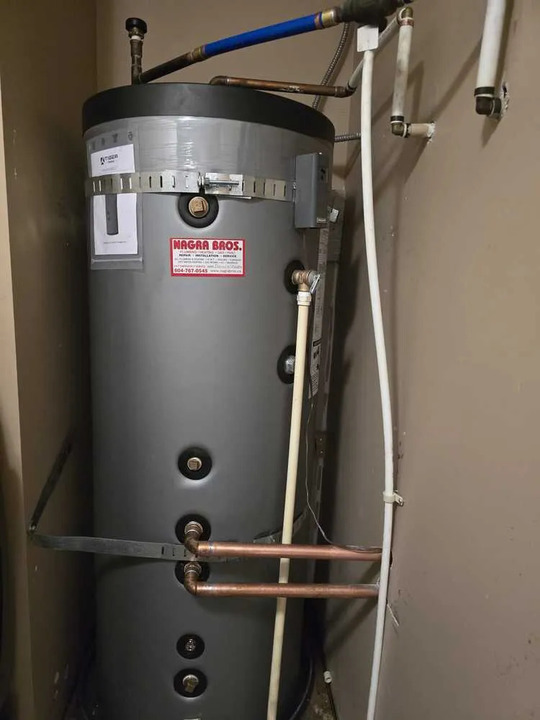
A reliable hot water system is easy to overlook until something goes wrong. In workplaces such as offices, restaurants, warehouses, commercial buildings, and industrial facilities, a malfunctioning water heater can create more than an inconvenience. Leaks, excessive temperatures, damaged components, and heating-system failures can contribute to unsafe working conditions.
For employers and facility managers, regular maintenance is an important part of keeping workplace systems operating safely. Professional water heater repair can help identify developing problems before they become larger hazards, while also supporting dependable hot water service throughout the building.
Why Water Heater Safety Matters in the Workplace
Commercial water heaters often work harder than residential systems because multiple employees, customers, tenants, or work areas may depend on them. Continuous demand can place additional stress on tanks, valves, heating elements, pipes, connections, and control components.
A small problem may initially appear harmless. A minor leak, unusual noise, inconsistent water temperature, or slow recovery can indicate that a component requires attention. Ignoring these warning signs can allow the underlying problem to become more complicated.
Workplace safety planning should therefore include essential plumbing and heating equipment. As part of a broader maintenance program, Nagra Bros Plumbing and Heating Ltd. can be considered when a facility requires professional assessment of heating-related equipment.
Common Water Heater Hazards in Commercial Buildings
Understanding common problems makes it easier for responsible personnel to recognize when professional assistance is needed.
Scalding and Temperature Risks
Water that becomes excessively hot can create a burn hazard for employees, visitors, or customers. This can be particularly important in workplaces where sinks, washrooms, kitchens, or other hot-water outlets are used frequently.
Temperature problems can result from faulty controls, damaged components, or improper system operation. Rather than adjusting or replacing components without the necessary expertise, facility managers should arrange an appropriate professional inspection.
Leaks and Water Damage
A leaking water heater can cause water to collect around equipment, flooring, walls, or storage areas. Depending on the location, moisture can create slip hazards and potentially affect nearby electrical equipment or workplace materials.
Early attention is important because the visible leak may not always reveal the underlying cause. A professional inspection can help determine whether the problem involves the tank, fittings, pressure-related components, pipes, or another part of the system.
Electrical and Gas-Related Concerns
Different water heaters use different energy sources, and each system has components that require appropriate safety precautions. Electrical connections, gas components, combustion systems, and ventilation arrangements should not be treated as routine DIY repair tasks.
When a heating appliance shows unusual operation, workers should avoid experimenting with components they are not qualified to handle. Qualified professionals can evaluate the system and determine the appropriate repair or maintenance approach.
How Professional Water Heater Repair Supports Workplace Safety
Professional repair is not simply about restoring hot water. It can also involve identifying conditions that could contribute to future problems.
For example, an inspection may reveal deteriorating connections, malfunctioning controls, unusual corrosion, or other signs of equipment trouble. Addressing these issues early can help facility managers maintain more predictable operation and reduce the likelihood of an unexpected failure.
When searching for appropriate professional assistance, facilities can review water heater repair as part of a broader heating maintenance strategy. The goal should be to have problems assessed properly rather than repeatedly treating symptoms.
Another benefit of timely repair is operational continuity. A water heater failure can disrupt washroom facilities, cleaning activities, food preparation, employee routines, or other workplace functions. Planned maintenance can help reduce avoidable interruptions.
When Repair Is Better Than Replacement
Not every water heater problem means the entire system needs to be replaced. The appropriate solution depends on factors such as the condition of the equipment, the nature of the fault, the age and design of the system, and the cost and practicality of continued repairs.
A professional assessment can help determine whether repairing an individual component is reasonable or whether replacement should be considered. Facility managers should avoid making decisions based solely on the presence of a single symptom.
However, repeated failures, significant deterioration, persistent leakage, or an unsuitable system may indicate that hot water tank replacement deserves consideration. Replacement can also provide an opportunity to reassess whether the existing equipment is appropriate for the building's current hot-water demands.
Other Heating Systems That Require Safety Attention
Water heaters are only one part of a commercial building's heating infrastructure. Other systems can also influence workplace comfort, reliability, and safety.
When Boiler Repair Becomes Necessary
Boilers can support heating and hot-water requirements in various commercial environments. Warning signs such as unusual noises, inconsistent heating, visible leaks, pressure-related problems, or unexpected shutdowns should receive appropriate attention.
Ignoring these symptoms can allow a relatively manageable issue to develop into a larger equipment problem. Where a qualified assessment indicates that servicing is required, professional boiler repair can help address the underlying issue and restore appropriate system operation.
Considering Hot Water Tank Replacement
Replacement should be considered when continued repairs no longer make practical sense or when the existing tank is significantly deteriorated. A professional can assess the system and explain the available options based on the building's requirements.
For commercial facilities, selecting an appropriately sized system is important because demand can vary considerably throughout the day. The replacement decision should therefore consider actual usage rather than relying on assumptions.
Heat Pump Systems and Workplace Comfort
Heat pump technology is another option that some facilities may consider for heating and cooling needs. A properly maintained system can support consistent indoor conditions, while neglected equipment may experience performance problems.
Businesses considering heat pump Surrey services should evaluate their building requirements, existing infrastructure, maintenance needs, and system suitability with a qualified professional. The right approach depends on the property and the equipment involved.
Practical Water Heater Safety Tips for Facility Managers
A simple maintenance routine can help workplace managers identify problems earlier. Consider the following practices:
- Inspect the area around water-heating equipment regularly for signs of leakage or moisture.
- Pay attention to unusual sounds, odors, temperature changes, or repeated system shutdowns.
- Keep equipment areas accessible for inspection and servicing.
- Avoid storing combustible or unrelated materials around heating equipment.
- Make sure employees know how to report leaks and other equipment abnormalities.
- Arrange professional inspections when equipment shows persistent warning signs.
- Keep records of repairs, maintenance, and replacement decisions.
- Address recurring problems instead of repeatedly postponing necessary service.
These measures do not replace professional inspection, but they can help organizations develop a more proactive approach to equipment safety.
Creating a Proactive Maintenance Routine
Workplace safety is easier to manage when maintenance is planned rather than performed only after equipment fails. Facility managers can incorporate water heaters, boilers, pumps, valves, and related components into the property's broader maintenance schedule.
Nagra Bros Plumbing and Heating Ltd. is one example of a local plumbing and heating service provider that facility managers may research when professional heating-system assistance is required in Surrey. Keeping qualified service options available can make it easier to respond when equipment problems arise.
A proactive approach should also consider the working environment around the equipment. Access routes, flooring conditions, drainage, electrical equipment, and storage practices can all affect how safely maintenance and repair work can be carried out.
Conclusion
Water heater problems can affect more than hot-water availability. Leaks, temperature problems, damaged components, and unexpected failures may create avoidable workplace concerns when they are ignored.
Regular inspections, timely repairs, appropriate replacement decisions, and attention to related heating equipment can support a safer and more reliable commercial environment. For employers, contractors, and facility managers, treating heating and plumbing maintenance as part of the overall workplace safety strategy can help identify problems before they cause greater disruption.
Nagra Bros Plumbing and Heating Ltd. provides plumbing and heating services from 13158 109 Ave, Surrey, BC V3T 3R7, making it a local option for organizations researching professional assistance with commercial heating and plumbing needs.