Where Is Who Decides War Made?
Posted by who decides war hoodie
Filed in Arts & Culture 0 views
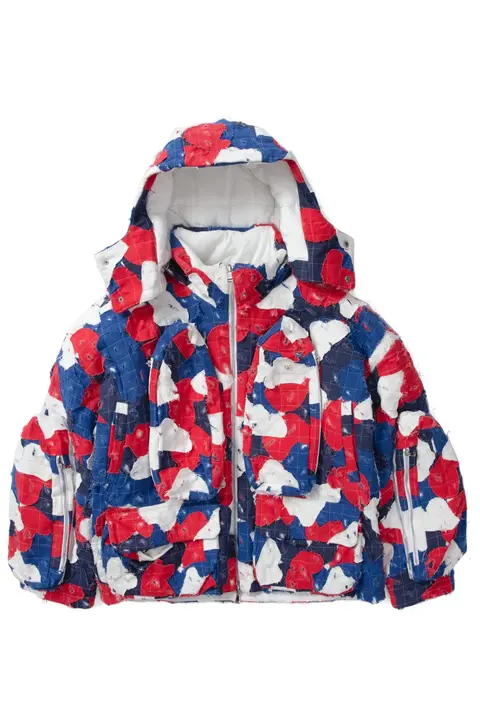
If you own a who decides war hoodie, you've probably flipped the inside label looking for a country-of-origin tag the way you might with a pair of jeans from a mall brand. The answer with Who Decides War is a little more layered than a single "Made in X" stamp, because so much of what makes the brand valuable happens after the base garment is constructed.
The Brand Is Designed in New York
Who Decides War is a New York–based label, founded and creatively led by Ev Bravado and Téla D'Amore. New York is where the brand's design decisions, collections, and runway presentations are conceived, and it's the city most closely associated with the label's identity — the brand is regularly described as a New York-based collective and has shown as part of New York Fashion Week.
That said, "designed in New York" and "manufactured in New York" aren't necessarily the same thing, and this is where things get more specific.
Construction vs. Finishing: Two Different Stages
The most useful way to think about where a who decides war hoodie or pair of jeans "comes from" is to separate the process into two stages:
1. Base garment construction. Like most independent designer and streetwear labels operating at this scale, Who Decides War works with garment manufacturers to produce the base silhouettes — the raw hoodies, denim, and tees before any of the brand's signature treatments are applied. Independent brands at this level typically don't run their own large-scale sewing factories; they partner with specialized manufacturers, and many labels in this exact space (avant-garde, small-batch, heavy construction) use a mix of domestic and international production depending on the fabric, technique, and order volume. Who Decides War doesn't publish a single, fixed factory location, and it's common for pieces across different seasons to be produced in different facilities depending on what a given collection calls for.
2. Hand-finishing and detailing. This is the stage that actually defines the brand, and it's where Who Decides War's process becomes far more specific and labor-intensive than most streetwear labels. The brand's in-house team is known for multi-phase hand-dyeing, expert garment distressing, reworking of existing materials, and meticulous appliqué detailing — techniques that are applied by hand, piece by piece, rather than mass-produced. This hands-on, artisanal approach to garment construction is repeatedly cited as what separates the label from mass-market competitors, and it's a major reason resale value on pieces like the who decides war hoodie holds up: buyers aren't just paying for a logo, they're paying for construction work that can't be replicated at scale.
Why the Brand Doesn't Lead With a "Made In" Label
Compared to a mainstream streetwear brand that might print "Made in Vietnam" or "Made in China" on a hang tag as a simple manufacturing fact, Who Decides War's identity is built around the opposite framing: the value isn't in where the blank garment started, it's in the multi-phase, hand-applied process the garment goes through afterward. The brand's own positioning leans into faith, culture, and a handmade touch being instilled into each garment, which is a deliberate signal that the finishing process — not the factory stamp — is the part of "where it's made" that the brand wants collectors focused on.
That's consistent with how the brand talks about its own workflow: heavyweight fabrics, reinforced stitching, hand-distressing, and dyeing are treated as the defining production story, rather than a single country of origin.
What This Means If You're Buying a Who Decides War Hoodie
For collectors, the practical takeaway is this:
-
Don't expect a single, marketed "Made in [Country]" story from Who Decides War the way you might from brands that build their identity around domestic manufacturing.
-
Do expect that any piece you buy has gone through significant hand-applied finishing — dyeing, distressing, or appliqué — regardless of where the base garment was constructed.
-
Authentic pieces will reflect that labor-intensive process in the details: uneven, intentional distressing, layered dye work, and construction quality that holds up over repeated wear, which is part of how collectors and resale platforms help verify authenticity.
Final Thoughts
Who Decides War's story of "where it's made" isn't really about a factory address — it's about a New York-founded creative team that treats hand construction and finishing as the core of the brand, layered on top of manufactured base garments. For collectors evaluating a who decides war hoodie or any other piece from the label, that hands-on finishing process is the detail worth paying attention to, since it's the part of production the brand has actually built its reputation on.