Blank Guns for Self Defence vs Air Gun: Understanding the Differences, Benefits, and Best Uses
Posted by Blades And Triggers
Filed in Sports 78 views
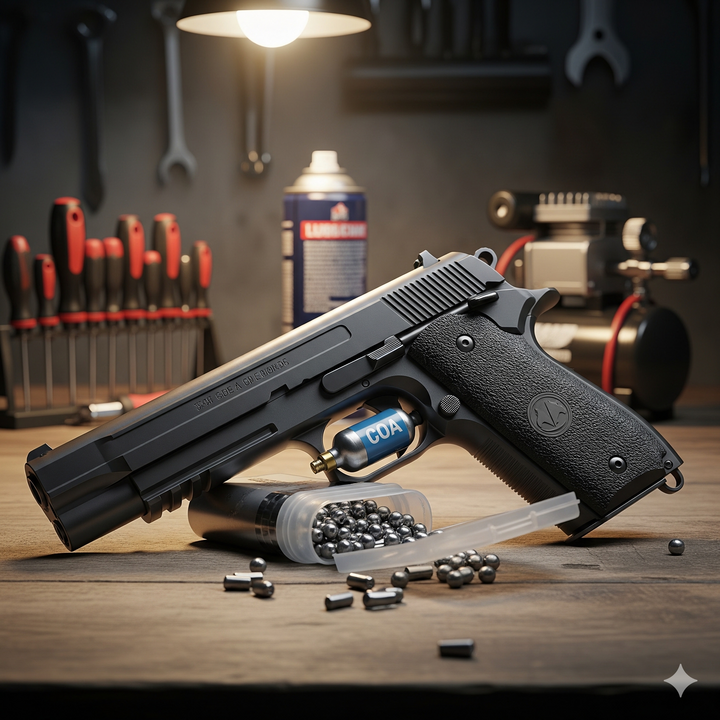
Personal security is a growing concern for many individuals, leading to increased interest in self-defense tools that provide protection while remaining accessible and practical. Among the options available today, blank guns for self defence and air guns are two popular choices that often attract attention from both beginners and experienced shooting enthusiasts.
Although they may appear similar at first glance, these tools serve very different purposes. A blank gun is primarily designed to create noise, intimidation, and deterrence, while an air gun is designed to launch projectiles with precision and power. Understanding the differences between these two options is essential before making a purchase.
In this guide, we'll explore how blank guns and air guns work, their advantages and limitations, legal considerations, and how to determine which option best suits your needs.
What Are Blank Guns for Self Defence?
Blank guns are firearms-style devices that fire blank cartridges instead of live ammunition. These cartridges produce a loud bang, muzzle flash, and smoke but do not fire a conventional projectile.
Many people choose blank guns because they closely resemble real firearms, making them useful for deterrence and self-defense scenarios where intimidation may discourage an attacker.
Those interested in personal protection products can browse available options at blank guns for self defence to explore various self-defense solutions.
How Blank Guns Work
Blank cartridges contain gunpowder but no bullet. When fired, the cartridge produces:
-
A loud gunshot sound
-
Muzzle flash
-
Gas pressure
-
Smoke effects
The purpose is to simulate the appearance and sound of a real firearm without firing a traditional projectile.
Common Uses of Blank Guns
Blank guns are frequently used for:
-
Personal deterrence
-
Security training
-
Film and theatrical productions
-
Sporting events
-
Emergency signaling
-
Dog training in some applications
The loud report can attract attention and potentially discourage criminal activity.
What Is an Air Gun?
An air gun uses compressed air, gas, or a spring-powered mechanism to propel pellets or BBs toward a target.
Unlike blank guns, air guns are designed to launch projectiles with accuracy and force.
A wide range of air gun models are available for recreational shooting, target practice, pest control, and hunting applications where legally permitted.
How Air Guns Work
Air guns generally operate using one of the following systems:
Spring-Piston
A spring compresses air that propels the pellet when the trigger is pulled.
Gas Ram
Uses compressed gas instead of a spring for smoother shooting performance.
CO2 Powered
Relies on disposable CO2 cartridges to propel projectiles.
PCP (Pre-Charged Pneumatic)
Uses compressed air stored in a reservoir for superior consistency and power.
Each system offers unique advantages depending on the intended application.
Key Differences Between Blank Guns and Air Guns
While they may appear similar externally, their functionality differs significantly.
|
Feature |
Blank Gun |
Air Gun |
|
Fires Projectile |
No |
Yes |
|
Primary Purpose |
Deterrence |
Shooting Accuracy |
|
Sound Level |
Very Loud |
Relatively Quiet |
|
Self-Defense Potential |
Psychological Deterrent |
Physical Impact |
|
Target Shooting |
Limited |
Excellent |
|
Hunting Use |
No |
Yes (where legal) |
|
Ammunition Type |
Blank Cartridges |
Pellets or BBs |
|
Training Value |
Handling Familiarization |
Shooting Skill Development |
Understanding these differences helps buyers select the right tool for their intended purpose.
Why Some People Choose Blank Guns for Self Defence
Blank guns are attractive to individuals seeking a non-lethal deterrent that closely resembles a traditional firearm.
Psychological Deterrence
One of the biggest advantages is their ability to create the impression of a real firearm.
In many situations, the appearance and sound alone may discourage a potential threat.
Loud Attention-Grabbing Effect
The loud report generated by a blank cartridge can:
-
Alert nearby individuals
-
Draw attention to an emergency
-
Potentially scare off an attacker
Realistic Handling
Many blank guns replicate the weight, controls, and operation of conventional firearms.
This makes them useful for familiarization and handling practice.
Reduced Risk Compared to Firearms
Because they do not fire traditional bullets, blank guns are often viewed as a lower-risk alternative to live firearms.
However, they must still be handled responsibly and should never be considered toys.
Why Air Guns Continue to Grow in Popularity
Air guns have evolved dramatically over the years and now offer exceptional performance.
Excellent Accuracy
Modern air rifles are capable of remarkable precision.
Many enthusiasts enjoy:
-
Target shooting
-
Precision competitions
-
Recreational plinking
Lower Operating Costs
Compared to traditional firearms, air guns generally offer:
-
More affordable ammunition
-
Reduced maintenance expenses
-
Lower training costs
Versatility
A quality air gun can be used for various activities, including:
-
Backyard target practice
-
Competitive shooting
-
Pest control
-
Hunting where legally permitted
Wide Product Selection
The market offers air guns for:
-
Beginners
-
Intermediate shooters
-
Competitive marksmen
-
Hunters
This diversity allows users to find equipment tailored to their specific goals.
Self-Defense Considerations
When discussing personal protection, it's important to understand the strengths and limitations of both options.
Blank Guns as a Deterrent
Blank guns rely primarily on:
-
Appearance
-
Sound
-
Psychological impact
Their effectiveness often depends on the situation and the reaction of the aggressor.
Air Guns for Personal Protection
Although some individuals consider air guns for defensive purposes, they are generally designed for sport and recreational shooting rather than dedicated self-defense.
Their effectiveness can vary significantly depending on:
-
Caliber
-
Velocity
-
Shot placement
-
Distance
For this reason, many users purchase air guns primarily for shooting sports rather than personal protection.
Training and Skill Development
Blank Gun Training
Blank guns can help users learn:
-
Firearm handling basics
-
Safe carrying practices
-
Trigger discipline
-
Familiarity with controls
However, they do not provide projectile-based shooting experience.
Air Gun Training
Air guns are excellent training tools because they allow users to practice:
-
Sight alignment
-
Trigger control
-
Breathing techniques
-
Follow-through
-
Target engagement
Many competitive shooters begin their training with air rifles before transitioning to larger platforms.
Maintenance Requirements
Blank Guns
Routine maintenance typically includes:
-
Cleaning residue from blank cartridges
-
Lubricating moving parts
-
Inspecting magazines
-
Checking functionality
Air Guns
Air gun maintenance may involve:
-
Barrel cleaning
-
Seal inspection
-
Air reservoir maintenance (for PCP models)
-
Pellet quality checks
Proper maintenance ensures long-term reliability and performance.
Choosing the Right Air Gun
If you decide an air gun better suits your needs, consider the following factors:
Intended Purpose
Ask yourself whether the air gun will be used for:
-
Target shooting
-
Hunting
-
Pest control
-
Recreation
Power Source
Choose between:
-
Spring-powered
-
Gas ram
-
CO2
-
PCP systems
Each offers unique benefits.
Caliber Selection
Popular calibers include:
-
.177
-
.22
-
.25
Your intended application will determine the most appropriate choice.
Build Quality
Investing in a reliable air gun often results in:
-
Better accuracy
-
Improved durability
-
Enhanced shooting enjoyment
Choosing the Right Blank Gun
When selecting a blank gun, consider:
Realism
Many buyers prioritize realistic appearance and handling characteristics.
Build Materials
Quality materials improve:
-
Reliability
-
Durability
-
Longevity
Ease of Operation
Look for models with user-friendly controls and dependable operation.
Individuals exploring self-protection options can review available products through blank guns for self defence to find suitable solutions.
Legal and Safety Considerations
Before purchasing any self-defense or shooting equipment, always research local laws and regulations.
Important considerations include:
-
Ownership requirements
-
Transportation rules
-
Storage regulations
-
Public carry restrictions
-
Intended use limitations
Responsible ownership is essential regardless of the product chosen.
Safety practices should always include:
-
Secure storage
-
Safe handling
-
Proper maintenance
-
Regular training
Which Option Is Right for You?
The answer depends entirely on your goals.
Choose a blank gun if you want:
-
A self-defense deterrent
-
Realistic firearm-style handling
-
Loud attention-grabbing capability
-
Personal security-focused equipment
Choose an air gun if you want:
-
Target shooting capability
-
Recreational shooting opportunities
-
Hunting or pest control applications where legal
-
Long-term shooting skill development
Both products serve valuable but distinctly different purposes.
Conclusion
Blank guns for self defence and air guns are often grouped together because of their appearance, but they fulfill very different roles. Blank guns are primarily designed for deterrence, producing realistic sound and visual effects that may discourage threats. Air guns, on the other hand, are precision shooting tools designed to launch projectiles accurately for target shooting, training, and hunting applications.
Understanding your intended use is the key to making the right choice. If personal deterrence is your primary concern, a blank gun may be worth considering. If you are interested in recreational shooting, skill development, or hunting, an air gun is likely the better investment.
By evaluating your needs, budget, experience level, and local regulations, you can confidently choose the option that best supports your goals while promoting responsible ownership and safe handling practices.
Frequently Asked Questions (FAQs)
1. What is the main difference between a blank gun and an air gun?
A blank gun produces sound and muzzle flash without firing a projectile, while an air gun launches pellets or BBs using compressed air or gas.
2. Are blank guns suitable for self-defence?
Many people use blank guns as deterrent tools because they create realistic sound and visual effects that may discourage threats.
3. Can an air gun be used for target shooting?
Yes. Air guns are widely used for target shooting, recreational shooting, and competitive shooting disciplines.
4. Which is better for beginners: a blank gun or an air gun?
It depends on the intended purpose. Air guns are generally better for learning shooting fundamentals, while blank guns are primarily focused on deterrence and familiarization.
5. What type of air gun is most accurate?
PCP air rifles are often regarded as the most accurate due to their consistency, minimal recoil, and advanced engineering.
6. Do air guns require regular maintenance?
Yes. Routine cleaning, inspection, and proper storage help maintain accuracy, reliability, and long-term performance.