Personal Defense Taser vs Air Gun Pistol: Understanding the Differences for Safety and Recreational Use
Posted by Blades And Triggers
Filed in Sports 72 views
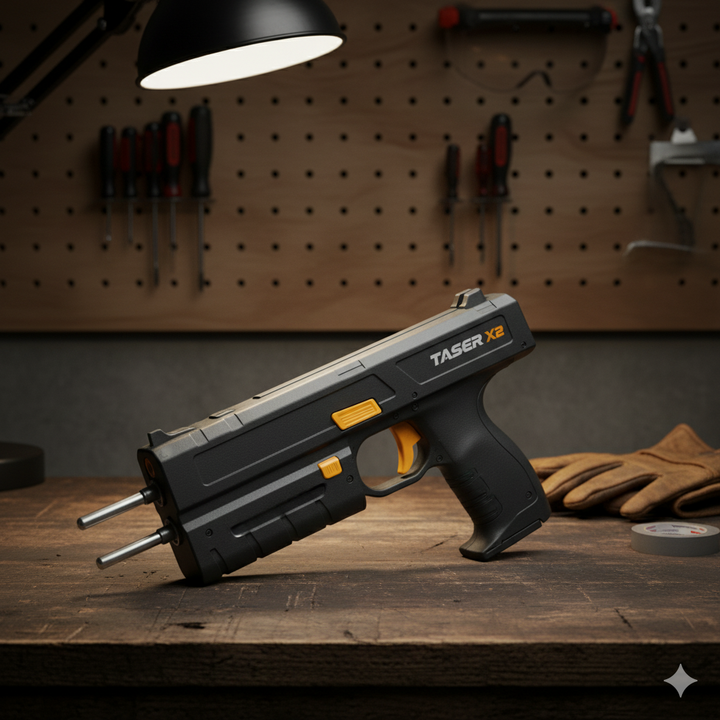
Personal safety and recreational shooting are two areas where individuals often seek reliable equipment that suits their specific needs. Whether you're looking for a self-defense tool to enhance personal security or a precision shooting platform for practice and enjoyment, understanding the available options is essential.
Two products that frequently attract attention are the personal defense taser and the air gun pistol. While both are handheld devices that may appear similar at first glance, they serve completely different purposes. A personal defense taser is designed to provide a non-lethal self-protection option, whereas an air gun pistol is primarily intended for target shooting, training, and recreational use.
Choosing the right product depends on your goals, level of experience, and intended application. In this guide, we'll explore how personal defense tasers and air gun pistols work, their advantages, limitations, and the factors you should consider before making a purchase.
What Is a Personal Defense Taser?
A personal defense taser is an electronic self-defense device designed to temporarily incapacitate a threat by delivering an electrical charge. These devices are commonly used by civilians seeking an additional layer of personal protection.
Many individuals choose a personal defense taser because it offers a less-lethal alternative to traditional defensive tools while remaining compact and portable.
How a Personal Defense Taser Works
A taser works by generating an electrical charge that interferes with voluntary muscle control. Depending on the design, the device may function through direct contact or by deploying probes connected by wires.
The purpose is to create a temporary opportunity for the user to disengage from a dangerous situation and seek safety.
Common Reasons People Choose a Taser
Personal defense tasers are often selected because they offer:
-
Compact portability
-
Ease of carry
-
Quick deployment
-
Psychological deterrence
-
Non-lethal defensive capability
For many individuals, a taser provides peace of mind during daily activities such as commuting, traveling, or working late hours.
What Is an Air Gun Pistol?
An air gun pistol is a handgun-style air-powered shooting device that uses compressed air, CO2, or spring mechanisms to launch pellets or BBs toward a target.
Unlike tasers, air pistols are primarily designed for recreational and sporting applications rather than self-defense.
A quality air gun pistol can provide excellent accuracy and an enjoyable shooting experience for beginners and experienced enthusiasts alike.
How Air Gun Pistols Work
Air pistols generally operate using one of several propulsion systems:
CO2 Powered
CO2 pistols use disposable cartridges that provide consistent shooting performance.
Spring-Powered
Spring-powered models use mechanical energy to propel pellets.
Pneumatic
These systems use compressed air stored within the pistol.
PCP (Pre-Charged Pneumatic)
Advanced air pistols may utilize compressed air reservoirs for greater consistency and precision.
Each system offers unique advantages depending on the intended use.
Key Differences Between a Personal Defense Taser and an Air Gun Pistol
Although they may share similar form factors, their purposes differ significantly.
|
Feature |
Personal Defense Taser |
Air Gun Pistol |
|
Primary Purpose |
Self-Defense |
Recreational Shooting |
|
Fires Projectiles |
Some Models |
Yes |
|
Intended Target |
Threat Deterrence |
Targets |
|
Training Use |
Defensive Preparedness |
Shooting Skill Development |
|
Portability |
Excellent |
Good |
|
Recreational Value |
Limited |
High |
|
Accuracy Focus |
Not Applicable |
Essential |
|
Sporting Applications |
No |
Yes |
|
Competition Use |
No |
Yes |
|
Target Shooting |
No |
Excellent |
Understanding these distinctions helps users select the product best suited to their goals.
Benefits of a Personal Defense Taser
Non-Lethal Protection Option
One of the primary reasons people choose tasers is their less-lethal nature compared to many traditional defensive tools.
This makes them appealing to individuals seeking a personal safety device without carrying more dangerous alternatives.
Easy to Carry
Most tasers are compact and lightweight.
They can often be carried in:
-
Handbags
-
Backpacks
-
Vehicle compartments
-
Personal carry pouches
Psychological Deterrent
In many situations, the visible presence of a defensive device may discourage potential threats.
Simple Operation
Many modern tasers are designed with straightforward controls that allow rapid deployment during emergencies.
Those seeking personal protection solutions often explore available personal defense taser options to find a model that meets their security needs.
Benefits of an Air Gun Pistol
Affordable Shooting Practice
Air pistols provide an economical way to develop shooting skills without the higher costs associated with traditional firearms.
Excellent for Target Shooting
Many air pistol enthusiasts enjoy:
-
Precision shooting
-
Backyard target practice
-
Competition training
-
Recreational plinking
Skill Development
Using an air pistol helps improve:
-
Trigger control
-
Sight alignment
-
Breath control
-
Shooting discipline
Wide Product Selection
Modern air pistols are available in various styles and configurations suitable for different experience levels.
A reliable air gun pistol can provide years of enjoyable recreational shooting and training.
Choosing a Personal Defense Taser
Selecting the right taser requires evaluating several factors.
Size and Portability
Smaller devices are often easier to carry daily.
Battery Life
Reliable battery performance is critical for emergency situations.
Ergonomics
A comfortable grip improves handling and accessibility.
Build Quality
Investing in a durable, reputable model helps ensure dependable performance when needed most.
Intended Environment
Consider whether the device will be carried:
-
During daily commuting
-
While traveling
-
During outdoor activities
-
For home protection
Choosing an Air Gun Pistol
Selecting an air pistol depends largely on how you intend to use it.
Target Shooting
Accuracy-focused models are ideal for precision shooting and skill development.
Training
Many shooters use air pistols to practice shooting fundamentals in controlled environments.
Recreational Use
Casual shooters may prioritize ease of operation and affordability.
Power Source
Choose a propulsion system that aligns with your needs:
-
CO2 for convenience
-
Spring-powered for simplicity
-
Pneumatic for control
-
PCP for advanced performance
Safety Considerations
Regardless of which product you choose, safety must always be the highest priority.
Taser Safety
Users should:
-
Read manufacturer instructions
-
Store devices securely
-
Regularly test batteries
-
Understand local regulations
Air Pistol Safety
Responsible air pistol ownership includes:
-
Safe target selection
-
Proper storage
-
Eye protection
-
Routine maintenance
Never point an air pistol at people or animals unless specifically authorized and legally permitted for appropriate activities.
Training and Familiarity
Owning equipment is only part of the equation.
Personal Defense Preparedness
Users should understand:
-
Situational awareness
-
Emergency response strategies
-
Safe device handling
-
Local laws
Shooting Skill Development
Air pistol users benefit from practicing:
-
Accuracy
-
Consistency
-
Trigger control
-
Range discipline
Regular practice improves confidence and proficiency.
Maintenance Requirements
Maintaining a Personal Defense Taser
Routine maintenance may include:
-
Battery checks
-
Cleaning external surfaces
-
Inspecting activation mechanisms
-
Following manufacturer recommendations
Maintaining an Air Gun Pistol
Air pistols generally require:
-
Barrel cleaning
-
Seal inspection
-
Proper lubrication
-
Safe storage
Proper care helps preserve performance and longevity.
Legal Considerations
Before purchasing any defensive or shooting equipment, it is important to understand local regulations.
Research applicable laws regarding:
-
Ownership
-
Transportation
-
Carrying in public
-
Storage requirements
-
Intended use
Regulations can vary significantly depending on location.
Responsible ownership includes staying informed and complying with all legal requirements.
Which Option Is Right for You?
The answer depends entirely on your objectives.
Choose a personal defense taser if your primary concern is:
-
Personal safety
-
Emergency preparedness
-
Everyday carry protection
-
Non-lethal defense
Choose an air gun pistol if your goal is:
-
Target shooting
-
Recreational enjoyment
-
Skill development
-
Shooting sports participation
Many individuals who enjoy recreational shooting may own an air pistol while separately maintaining a personal safety strategy suited to their circumstances.
Conclusion
Although personal defense tasers and air gun pistols may appear similar in size and portability, they are designed for entirely different purposes. A personal defense taser focuses on personal security and non-lethal protection, while an air gun pistol provides an accessible and enjoyable platform for target shooting, training, and recreational activities.
The best choice depends on your specific needs. If personal safety and emergency preparedness are your priorities, a taser may offer the features you're looking for. If you are interested in improving shooting skills, enjoying recreational target practice, or participating in shooting sports, an air pistol is likely the better fit.
By understanding the capabilities, limitations, and intended uses of each option, you can make a more informed purchasing decision while promoting safe, responsible ownership.
Frequently Asked Questions (FAQs)
1. What is the main difference between a personal defense taser and an air gun pistol?
A personal defense taser is designed for self-protection and threat deterrence, while an air gun pistol is intended for recreational shooting and target practice.
2. Is an air gun pistol suitable for beginners?
Yes. Many air pistols are beginner-friendly and provide an excellent platform for learning shooting fundamentals.
3. Why do people choose personal defense tasers?
Many individuals choose tasers because they offer a portable, less-lethal self-defense option that can be carried for personal security.
4. What type of air gun pistol is best for target shooting?
Accuracy-focused CO2 and PCP air pistols are often preferred for precision target shooting applications.
5. Do personal defense tasers require maintenance?
Yes. Regular battery checks, cleaning, and proper storage help ensure reliable operation.
6. Can an air gun pistol help improve shooting skills?
Absolutely. Air pistols are widely used for practicing trigger control, sight alignment, breath management, and overall shooting accuracy.