Laparoscopic Morcellator and Gynecological Morcellator: Advancing Minimally Invasive Gynecologic Surgery
Posted by James Hamilton
Filed in Other 67 views
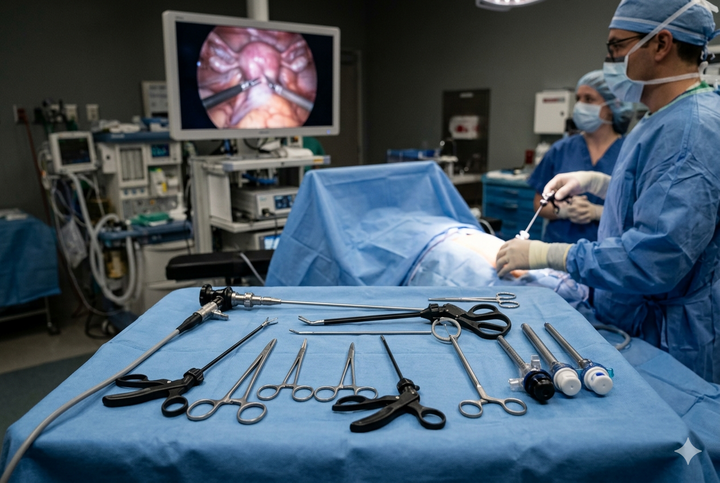
The field of gynecologic surgery has undergone significant transformation over the past few decades. Advances in minimally invasive surgical techniques have enabled surgeons to perform complex procedures with greater precision, smaller incisions, faster recovery times, and improved patient outcomes. Among the technologies that have contributed to this evolution are laparoscopic morcellators and gynecological morcellators.
These specialized surgical instruments play a critical role in facilitating the removal of large tissue specimens during minimally invasive procedures. By enabling surgeons to extract tissue through small incisions, morcellators help preserve the advantages of laparoscopic surgery while reducing patient trauma and recovery time.
As healthcare facilities continue to prioritize efficiency, patient safety, and advanced surgical capabilities, the demand for high-quality laparoscopic morcellator solutions and specialized gynecological morcellator systems continues to grow.
This article explores the role of morcellators in modern gynecology, their benefits, applications, technological developments, and considerations for healthcare providers.
Understanding Minimally Invasive Gynecologic Surgery
Minimally invasive surgery has become the preferred approach for many gynecological procedures.
Unlike traditional open surgery, laparoscopic procedures involve:
-
Smaller incisions
-
Reduced blood loss
-
Less postoperative pain
-
Shorter hospital stays
-
Faster patient recovery
-
Improved cosmetic outcomes
These advantages have made laparoscopic techniques increasingly popular for treating a wide range of gynecological conditions.
However, removing large tissue specimens through small incisions presents unique challenges. This is where morcellation technology becomes particularly valuable.
What Is a Laparoscopic Morcellator?
A laparoscopic morcellator is a specialized surgical device designed to divide larger tissue masses into smaller fragments that can be removed through laparoscopic ports.
The instrument enables surgeons to maintain minimally invasive techniques even when operating on larger anatomical structures.
Primary Function
The primary purpose of a morcellator is to facilitate tissue extraction while minimizing the need for larger surgical incisions.
This allows surgeons to preserve the benefits of laparoscopic surgery without compromising procedural effectiveness.
How It Works
During a procedure, the morcellator mechanically divides tissue into smaller pieces.
These fragments can then be removed through existing trocar sites, eliminating the need for extensive incisions.
Modern laparoscopic morcellator systems are designed to support precision, efficiency, and procedural control throughout tissue extraction.
What Is a Gynecological Morcellator?
A gynecological morcellator is specifically designed for use in gynecologic surgical procedures.
These instruments assist surgeons during the removal of uterine tissue, fibroids, and other gynecological specimens through minimally invasive approaches.
Specialized Design
Gynecological procedures often involve unique anatomical and procedural requirements.
As a result, gynecological morcellators are engineered to provide:
-
Enhanced maneuverability
-
Precise tissue management
-
Efficient specimen extraction
-
Compatibility with laparoscopic workflows
Common Applications
Gynecological morcellators are frequently utilized in procedures involving:
-
Uterine fibroids
-
Hysterectomy procedures
-
Myomectomy surgeries
-
Benign uterine conditions
-
Tissue specimen extraction
The growing adoption of gynecological morcellator technology reflects the increasing demand for advanced minimally invasive gynecologic interventions.
The Evolution of Morcellation Technology
The development of morcellation technology has paralleled advancements in minimally invasive surgery.
Early Surgical Challenges
Historically, surgeons faced limitations when attempting to remove large tissue masses through small laparoscopic incisions.
This often required:
-
Enlarged incisions
-
Conversion to open surgery
-
Increased patient recovery time
Technological Advancements
Modern morcellation systems have introduced numerous improvements, including:
-
Enhanced cutting mechanisms
-
Improved ergonomic design
-
Greater precision
-
Increased procedural efficiency
-
Better integration with laparoscopic systems
These innovations have expanded the capabilities of minimally invasive surgery across multiple specialties.
Key Benefits of Laparoscopic Morcellators
Supporting Minimally Invasive Techniques
One of the primary advantages of morcellators is their ability to facilitate tissue extraction without requiring larger incisions.
This preserves the benefits associated with minimally invasive surgery.
Reduced Surgical Trauma
Smaller incisions generally result in less disruption to surrounding tissues.
Benefits may include:
-
Reduced postoperative discomfort
-
Improved healing
-
Lower risk of wound complications
Faster Recovery
Patients undergoing minimally invasive procedures often experience shorter recovery periods compared to traditional open surgery.
Improved Cosmetic Outcomes
Smaller incisions typically produce less visible scarring.
Enhanced Surgical Efficiency
Morcellators can streamline tissue extraction processes and improve procedural workflow.
Applications in Gynecologic Surgery
Hysterectomy Procedures
Hysterectomy remains one of the most commonly performed gynecologic surgeries worldwide.
Morcellators can assist in tissue extraction during minimally invasive hysterectomy procedures.
Myomectomy
Myomectomy involves the removal of uterine fibroids while preserving the uterus.
Morcellation technology may facilitate specimen extraction during laparoscopic myomectomy procedures.
Management of Benign Uterine Conditions
Various benign gynecologic conditions may require surgical intervention and tissue removal.
Morcellators help support minimally invasive treatment approaches in these situations.
Advanced Gynecologic Procedures
As laparoscopic techniques continue to evolve, morcellators remain valuable tools for managing increasingly complex surgical cases.
Features of Modern Morcellation Systems
Today's surgical environments demand high-performance medical devices capable of supporting precision and safety.
Ergonomic Design
Modern systems are designed to improve surgeon comfort and control during procedures.
Precision Engineering
Accurate tissue management is critical for successful surgical outcomes.
Advanced morcellators provide precise cutting performance while maintaining procedural efficiency.
Compatibility with Laparoscopic Equipment
Integration with existing laparoscopic platforms helps simplify workflow and equipment management.
Reliable Performance
Healthcare providers require instruments capable of delivering consistent performance across a wide range of surgical applications.
High-quality laparoscopic morcellator solutions are designed to meet these expectations.
Factors Healthcare Facilities Consider When Selecting Morcellators
Choosing the appropriate surgical equipment requires careful evaluation.
Clinical Requirements
Facilities assess whether a device aligns with procedural needs and surgical specialties.
Ease of Use
User-friendly systems can contribute to procedural efficiency and staff confidence.
Durability and Reliability
Long-term performance is an important consideration when investing in surgical equipment.
Training and Support
Manufacturers that provide educational resources and technical support often add significant value for healthcare providers.
Regulatory Compliance
Medical facilities prioritize equipment that meets applicable quality and regulatory standards.
The Importance of Surgeon Training
Technology alone does not guarantee successful outcomes.
Proper training is essential for maximizing the benefits of advanced surgical devices.
Procedural Familiarity
Surgeons must understand:
-
Device operation
-
Tissue management techniques
-
Workflow integration
-
Procedural best practices
Ongoing Education
As surgical technologies evolve, continuing education helps clinicians remain current with new developments and techniques.
Team Coordination
Successful minimally invasive procedures rely on collaboration among surgeons, nurses, and operating room staff.
Future Trends in Morcellation Technology
The future of gynecologic surgery will likely continue to emphasize minimally invasive approaches.
Several trends are shaping the next generation of surgical devices.
Enhanced Precision
Advances in engineering may further improve tissue management and surgical control.
Improved Ergonomics
Device manufacturers continue to focus on reducing operator fatigue and enhancing usability.
Integrated Surgical Systems
Greater connectivity between surgical devices may improve workflow and procedural efficiency.
Expanded Applications
As minimally invasive techniques evolve, morcellators may support an even broader range of procedures.
Innovation in Patient-Centered Care
Future developments will continue prioritizing patient outcomes, recovery experiences, and procedural effectiveness.
Why Minimally Invasive Gynecology Continues to Grow
The widespread adoption of minimally invasive surgery reflects its substantial benefits for both patients and healthcare systems.
Advantages include:
-
Reduced hospitalization
-
Faster recovery
-
Lower postoperative discomfort
-
Improved cosmetic outcomes
-
Greater procedural efficiency
As these benefits become increasingly recognized, demand for advanced technologies such as gynecological morcellator systems is expected to continue growing.
Healthcare providers seeking to enhance their minimally invasive capabilities often invest in specialized equipment that supports precision, efficiency, and high-quality patient care.
Conclusion
Laparoscopic and gynecological morcellators have become important tools in modern minimally invasive surgery. By enabling the extraction of larger tissue specimens through small incisions, these devices help preserve the numerous advantages associated with laparoscopic procedures.
From hysterectomy and myomectomy procedures to the management of various benign gynecologic conditions, morcellation technology continues to support surgical innovation and improved patient outcomes.
As healthcare facilities increasingly prioritize minimally invasive techniques, demand for advanced laparoscopic morcellator and gynecological morcellator solutions will remain an important component of modern surgical practice.
The future of gynecologic surgery is closely tied to ongoing technological advancements, and morcellation systems will continue to play a significant role in supporting efficient, precise, and patient-focused care.
Frequently Asked Questions (FAQs)
1. What is a laparoscopic morcellator used for?
A laparoscopic morcellator is used to divide larger tissue specimens into smaller fragments that can be removed through small laparoscopic incisions.
2. What is the difference between a laparoscopic morcellator and a gynecological morcellator?
A gynecological morcellator is specifically designed for gynecologic procedures, while laparoscopic morcellators may be used in a broader range of minimally invasive surgeries.
3. In which procedures are gynecological morcellators commonly used?
They are often used during hysterectomy procedures, myomectomies, and other surgeries involving the removal of uterine tissue or fibroids.
4. What are the advantages of minimally invasive gynecologic surgery?
Benefits may include smaller incisions, reduced postoperative discomfort, faster recovery, shorter hospital stays, and improved cosmetic outcomes.
5. Why is surgeon training important when using morcellation devices?
Proper training helps ensure effective device operation, procedural efficiency, and adherence to best practices.
6. How are modern morcellators improving surgical procedures?
Modern systems offer enhanced precision, ergonomic designs, improved workflow integration, and reliable performance to support minimally invasive surgical techniques.