Tissue Morcellation Device and Laparoscopic Tissue Extraction Device: Advancing Modern Minimally Invasive Surgery
Posted by James Hamilton
Filed in Other 84 views
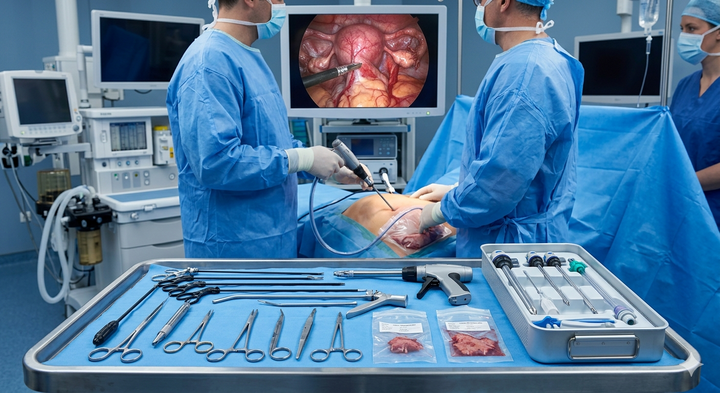
Modern surgery has shifted dramatically toward minimally invasive techniques that prioritize patient safety, reduced recovery time, and improved surgical precision. One of the most important innovations supporting this transformation is the development of advanced tissue management tools such as the tissue morcellation device and the laparoscopic tissue extraction device.
These devices allow surgeons to remove larger tissue specimens through small incisions, preserving the benefits of laparoscopic surgery while overcoming one of its key limitations—specimen extraction. As minimally invasive procedures continue to expand across multiple surgical specialties, these technologies play a critical role in improving efficiency, outcomes, and surgical workflow.
For healthcare providers and surgical teams seeking reliable solutions, modern systems such as the tissue morcellation device and laparoscopic tissue extraction device represent essential tools in contemporary operating rooms.
This article explores how these devices work, their clinical applications, advantages, technological evolution, and their growing importance in modern surgical practice.
Understanding Minimally Invasive Surgery
Minimally invasive surgery (MIS) refers to surgical techniques that use small incisions, specialized instruments, and imaging technology to perform procedures that once required large open incisions.
Key Benefits of MIS
Minimally invasive approaches offer several advantages:
-
Reduced postoperative pain
-
Smaller surgical scars
-
Faster recovery times
-
Lower risk of infection
-
Shorter hospital stays
-
Improved patient satisfaction
Despite these advantages, MIS presents a unique challenge: removing large or complex tissue specimens through small access points.
This challenge led to the development of specialized extraction technologies such as morcellation and laparoscopic tissue retrieval systems.
What Is a Tissue Morcellation Device?
A tissue morcellation device is a surgical instrument designed to fragment large tissue masses into smaller pieces that can be safely extracted through small laparoscopic incisions.
Core Function
The main purpose of a morcellation device is to:
-
Break down large tissue specimens
-
Enable removal through minimally invasive ports
-
Preserve the benefits of laparoscopic surgery
These devices are especially useful when dealing with bulky anatomical structures that cannot be removed intact without enlarging surgical incisions.
How It Works
During surgery, the device mechanically cuts tissue into smaller fragments using controlled rotational or cutting mechanisms. These fragments are then removed through existing trocar sites.
Modern tissue morcellation device systems are designed for improved precision, safety, and surgical efficiency.
What Is a Laparoscopic Tissue Extraction Device?
A laparoscopic tissue extraction device is a broader category of surgical tools used to retrieve tissue specimens from the abdominal or pelvic cavity during minimally invasive procedures.
Primary Purpose
These devices are designed to:
-
Safely extract tissue samples
-
Maintain minimally invasive access
-
Reduce the need for larger incisions
Key Difference from Morcellation Devices
While morcellation devices focus on fragmenting tissue, laparoscopic extraction devices may include systems that:
-
Retrieve intact specimens
-
Assist in controlled specimen containment
-
Facilitate tissue removal using retrieval bags or specialized ports
This makes the laparoscopic tissue extraction device category more versatile across different surgical scenarios.
The Evolution of Tissue Extraction Technology
The development of modern tissue extraction tools has been driven by the limitations of traditional open surgery.
Challenges in Traditional Surgery
Before minimally invasive techniques, surgeons often had to:
-
Make large abdominal incisions
-
Manually extract tissue masses
-
Deal with longer recovery times
-
Manage higher risks of infection and complications
Shift to Laparoscopic Surgery
As laparoscopic techniques evolved, surgeons needed new tools to handle specimen removal without compromising incision size.
This led to the introduction of:
-
Mechanical morcellators
-
Specimen retrieval bags
-
Advanced extraction ports
-
Hybrid extraction systems
Today’s devices combine precision engineering with ergonomic design to support safer and more efficient procedures.
Clinical Applications of Tissue Morcellation Devices
Tissue morcellation plays a key role in several surgical specialties.
Gynecologic Surgery
One of the most common applications is in gynecology, particularly for:
-
Myomectomy (fibroid removal)
-
Hysterectomy procedures
-
Uterine tissue management
General Surgery
Morcellation devices are also used in:
-
Removal of large benign masses
-
Organ tissue reduction procedures
-
Complex laparoscopic resections
Urology
In select cases, morcellation may assist in:
-
Prostate tissue removal
-
Kidney tissue extraction during laparoscopic procedures
Applications of Laparoscopic Tissue Extraction Devices
Laparoscopic extraction devices are widely used across multiple surgical fields.
Gynecologic Procedures
These devices assist in:
-
Uterine specimen retrieval
-
Ovarian tissue extraction
-
Endometriosis surgery
Gastrointestinal Surgery
Applications include:
-
Removal of intestinal segments
-
Extraction of benign tumors
-
Specimen retrieval after laparoscopic resections
General Abdominal Surgery
They are commonly used in:
-
Gallbladder-related procedures
-
Lymph node extraction
-
Tumor specimen removal
Benefits of Tissue Morcellation Devices
Preserving Minimally Invasive Benefits
Morcellation allows surgeons to avoid large incisions while still removing significant tissue masses.
Reduced Surgical Trauma
Smaller incisions result in:
-
Less pain
-
Lower risk of complications
-
Faster healing
Improved Surgical Efficiency
Morcellation streamlines tissue removal, reducing procedure time in many cases.
Better Cosmetic Outcomes
Smaller incisions lead to minimal scarring, which is important for patient satisfaction.
Benefits of Laparoscopic Tissue Extraction Devices
Safe Specimen Removal
These devices are designed to safely retrieve tissue without contamination or spillage.
Versatility in Surgical Use
They can handle:
-
Intact tissue extraction
-
Fragmented specimen retrieval
-
Large or small tissue masses
Enhanced Surgical Control
Modern extraction systems provide better handling and control during removal procedures.
Compatibility with Laparoscopic Systems
They integrate seamlessly with existing laparoscopic equipment, improving workflow efficiency.
Key Features of Modern Surgical Extraction Devices
Precision Engineering
Modern devices are designed to ensure accurate tissue handling and controlled cutting.
Ergonomic Design
Improved handle designs reduce surgeon fatigue and enhance usability during long procedures.
Enhanced Safety Mechanisms
Newer systems often include protective features to reduce the risk of tissue injury or spillage.
Compatibility
Devices are designed to work with standard laparoscopic ports and surgical instruments.
High-quality tissue morcellation device solutions often integrate these features to support safe and effective procedures.
Considerations When Choosing Surgical Devices
Healthcare providers evaluate several factors when selecting morcellation and extraction tools.
Surgical Requirements
Different procedures require different device capabilities, including cutting strength, precision, and compatibility.
Safety Standards
Devices must meet strict medical regulations and safety guidelines.
Ease of Use
Surgeons prefer instruments that are intuitive and easy to operate during complex procedures.
Reliability
Consistent performance is essential in high-pressure surgical environments.
Training Support
Manufacturers that provide training resources help ensure better adoption and outcomes.
The Role of Surgeon Training
Even the most advanced surgical devices require proper training for effective use.
Technical Proficiency
Surgeons must understand:
-
Device operation
-
Tissue handling techniques
-
Safety protocols
-
Procedural integration
Team Coordination
Successful minimally invasive surgery depends on collaboration between:
-
Surgeons
-
Nurses
-
Operating room technicians
Continuous Education
As technology evolves, ongoing training ensures that surgical teams remain up to date with best practices.
Future Trends in Tissue Extraction Technology
The future of laparoscopic surgery is closely tied to continuous innovation in tissue management tools.
Increased Precision
Future devices are expected to offer even greater accuracy in tissue cutting and retrieval.
Smart Surgical Systems
Integration with digital monitoring and feedback systems may enhance procedural control.
Improved Safety Mechanisms
Next-generation devices will likely focus on reducing risks associated with tissue fragmentation and extraction.
Greater Procedural Efficiency
Advancements aim to shorten surgical time while maintaining high safety standards.
Broader Clinical Applications
As technology improves, tissue morcellation and extraction tools may expand into additional surgical specialties.
Why These Devices Matter in Modern Surgery
Tissue morcellation and laparoscopic extraction devices are essential for bridging the gap between minimally invasive techniques and practical surgical limitations.
They allow surgeons to:
-
Maintain small incisions
-
Remove complex tissue structures
-
Improve patient recovery outcomes
-
Enhance surgical efficiency
As minimally invasive surgery continues to grow, these tools remain fundamental in supporting safe, effective, and modern surgical care.
Conclusion
The evolution of minimally invasive surgery has significantly improved patient outcomes and transformed surgical practice worldwide. However, the challenge of removing large tissue specimens through small incisions required innovative solutions. This is where tissue morcellation devices and laparoscopic tissue extraction devices have become indispensable.
By enabling efficient tissue fragmentation and safe specimen retrieval, these technologies help preserve the benefits of laparoscopic surgery while expanding its capabilities. From gynecology to general surgery, their applications continue to grow as healthcare systems prioritize precision, safety, and recovery efficiency.
Modern surgical teams increasingly rely on advanced systems such as the tissue morcellation device and laparoscopic tissue extraction device to deliver high-quality patient care and achieve optimal surgical outcomes.
As innovation continues, these devices will remain central to the future of minimally invasive surgery.
Frequently Asked Questions (FAQs)
1. What is a tissue morcellation device used for?
A tissue morcellation device is used to break large tissue masses into smaller fragments so they can be removed through small laparoscopic incisions.
2. How is a laparoscopic tissue extraction device different from a morcellator?
A morcellator fragments tissue, while a laparoscopic tissue extraction device may retrieve intact or fragmented specimens using specialized tools or retrieval systems.
3. In which surgeries are these devices commonly used?
They are commonly used in gynecologic, gastrointestinal, urologic, and general laparoscopic surgeries.
4. What are the benefits of using these devices?
Benefits include smaller incisions, faster recovery, reduced surgical trauma, improved cosmetic outcomes, and enhanced surgical efficiency.
5. Are these devices safe to use?
Yes. Modern devices are designed with safety features and must comply with strict medical standards and regulations.
6. Why is surgeon training important for these devices?
Proper training ensures safe operation, effective tissue handling, and optimal surgical outcomes in minimally invasive procedures.