Fire Rated Door Solutions: The Importance of Fire Rated Interior Doors in Modern Buildings
Posted by Campbell Steven
Filed in Other 54 views
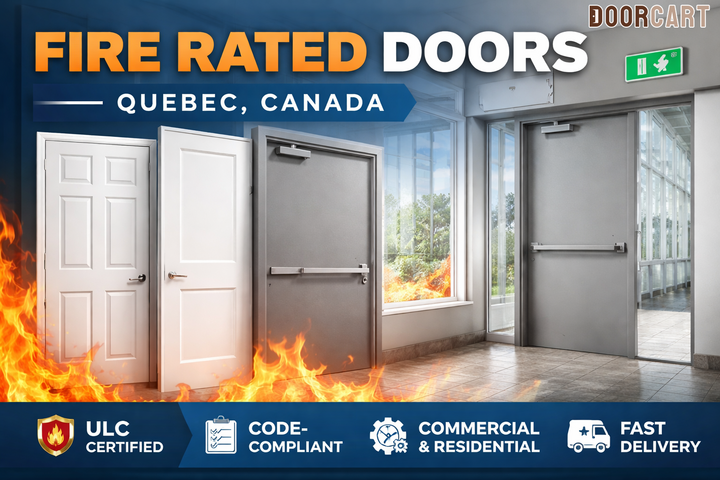
Fire safety remains one of the most important considerations in residential, commercial, and industrial construction. While smoke detectors and sprinkler systems play a critical role in protecting occupants, passive fire protection systems are equally important. Among these systems, the fire rated door stands out as one of the most effective tools for slowing the spread of flames and smoke during an emergency.
Today, builders, architects, and homeowners across Canada are increasingly investing in fire rated interior doors to improve safety, meet building code requirements, and protect valuable property. These specialized doors are designed to provide a critical barrier against fire, helping occupants evacuate safely while minimizing structural damage.
What Is a Fire Rated Door?
A fire rated door is a specially constructed door that has been tested and certified to resist fire for a specific period. Unlike standard doors, fire-rated models are engineered using fire-resistant materials and are tested under strict conditions to ensure they perform effectively during a fire.
The primary purpose of a fire-rated door is to contain fire and smoke within a specific area. By slowing the spread of heat and flames, these doors help create safer evacuation routes and provide firefighters with additional time to respond.
Fire-rated doors are available with various fire-resistance ratings, typically ranging from 20 to 90 minutes depending on the intended application and building requirements.
Why Fire Safety Matters in Canada
Canadian building regulations emphasize fire safety in both residential and commercial structures. Fire-rated assemblies are often required in areas where there is a higher risk of fire spreading between rooms or building sections.
Every year, thousands of fires occur in homes and businesses across Canada. Even a small fire can quickly escalate if flames and smoke are allowed to move freely through a building. Installing certified fire protection products significantly reduces this risk.
Fire-rated doors are particularly valuable because they work passively. Unlike alarms or suppression systems that require activation, a fire-rated door provides protection simply by being properly installed and maintained.
Understanding Fire Rated Interior Doors
Fire rated interior doors are designed specifically for indoor applications where fire separation is required. These doors serve as barriers between different sections of a building and help slow the movement of fire and smoke.
Common locations for fire-rated interior doors include:
- Garage-to-home entryways
- Utility rooms
- Mechanical rooms
- Apartment units
- Condominium corridors
- Stairwells
- Commercial office spaces
- Educational facilities
In many cases, local building codes specify where fire-rated doors must be installed and the minimum fire-resistance rating required.
Common Fire Ratings
Fire-rated doors are classified according to how long they can withstand fire exposure during standardized testing.
20-Minute Fire Rating
A 20-minute rating is commonly used in residential applications. These doors help contain smoke and delay fire spread during the early stages of an emergency.
45-Minute Fire Rating
Frequently used in commercial and multi-family buildings, 45-minute doors provide enhanced protection while maintaining accessibility.
60-Minute Fire Rating
These doors are often installed in mechanical rooms, utility spaces, and areas requiring additional fire resistance.
90-Minute Fire Rating
A 90-minute fire rating is typically reserved for high-risk areas where maximum fire containment is necessary.
The appropriate rating depends on the building design, occupancy type, and applicable local regulations.
Materials Used in Fire-Rated Doors
Modern fire-rated doors are available in a variety of materials to meet different aesthetic and performance needs.
Steel Doors
Steel remains one of the most popular materials for fire-rated applications. Steel doors offer exceptional durability, strength, and fire resistance.
Solid Core Wood Doors
Solid core wood doors provide a traditional appearance while delivering certified fire protection. These doors are commonly used in residential and office environments.
Mineral Core Doors
Mineral-core doors contain non-combustible materials that improve fire resistance under extreme temperatures.
Composite Fire-Rated Doors
Advanced composite materials combine strength, insulation, and design flexibility, making them an increasingly popular choice in modern construction.
Benefits of Installing Fire Rated Interior Doors
Enhanced Occupant Safety
The primary advantage of fire-rated doors is improved life safety. By slowing the spread of fire and smoke, occupants gain additional time to evacuate safely.
Protection of Property
Containing a fire within a specific area can significantly reduce overall property damage and restoration costs.
Compliance with Building Codes
Fire-rated assemblies help builders and property owners meet Canadian building code requirements and pass inspections more efficiently.
Improved Smoke Control
Smoke inhalation is often more dangerous than direct flame exposure. Fire-rated doors help limit smoke migration throughout a building.
Long-Term Reliability
When properly maintained, fire-rated doors provide dependable protection for many years.
Where Fire Rated Interior Doors Are Most Commonly Used
Attached Garages
One of the most common residential applications is the door between an attached garage and the living area. This location presents increased fire risks due to vehicles, fuel storage, and equipment.
Utility and Mechanical Rooms
Rooms containing furnaces, boilers, electrical systems, and water heaters often require fire-rated separation.
Apartment Buildings
Multi-family housing relies heavily on fire-rated doors to separate units and protect common corridors.
Office Buildings
Commercial properties use fire-rated doors throughout the building to compartmentalize fire hazards and maintain safe evacuation routes.
Educational and Healthcare Facilities
Schools, hospitals, and care facilities require extensive fire protection systems, including certified fire-rated doors.
Modern Design Options
Many homeowners mistakenly assume that fire-rated doors are limited to industrial or commercial appearances. However, modern manufacturing techniques have dramatically expanded design possibilities.
Today's fire-rated doors are available in:
- Flush designs
- Shaker styles
- Raised panel configurations
- Smooth painted finishes
- Wood-grain textures
- Custom colours and stains
This allows property owners to maintain architectural consistency without compromising safety.
Proper Installation Matters
Even the highest-quality fire-rated door can fail if installed incorrectly. Fire-rated assemblies must follow manufacturer specifications and applicable building codes.
Important installation considerations include:
- Certified door frames
- Approved hinges and hardware
- Proper clearances
- Functional self-closing mechanisms where required
- Intact fire and smoke seals
Using qualified installers helps ensure the door performs as intended during an emergency.
Fire Door Maintenance Best Practices
Regular maintenance is essential for preserving fire-rated performance.
Inspect for Damage
Check doors periodically for dents, cracks, warping, or unauthorized modifications.
Test Door Operation
Ensure doors close and latch properly without obstruction.
Examine Hardware
Verify that hinges, locks, and closers remain secure and functional.
Preserve Labels
Fire-rated certification labels should remain visible and intact.
Schedule Routine Evaluations
Commercial properties often benefit from professional inspections to ensure ongoing compliance.
Choosing the Right Fire-Rated Door
Selecting the appropriate fire-rated door requires evaluating several factors:
- Required fire rating
- Building occupancy type
- Installation location
- Material preference
- Design requirements
- Budget considerations
- Building code compliance
Consulting with experienced suppliers and contractors can simplify the selection process and help ensure the correct product is chosen.
The Future of Fire-Rated Door Technology
Advancements in building materials continue to improve fire-rated door performance. Modern products offer better insulation, enhanced durability, and more attractive finishes than ever before.
Manufacturers are also focusing on sustainability, energy efficiency, and smart building integration while maintaining rigorous fire safety standards.
As Canadian building regulations continue to evolve, fire-rated products will remain a critical component of safe and responsible construction practices.
Conclusion
A fire rated doors is far more than a building requirement—it is an essential safety feature that protects lives and property. By slowing the spread of flames and smoke, these doors create valuable time during emergencies and contribute to safer building environments.
Whether used in homes, apartment complexes, offices, or institutional facilities, fire rated interior doors provide dependable protection while supporting modern design goals. With a wide range of styles, materials, and ratings available, property owners can find solutions that meet both safety requirements and aesthetic preferences.
Investing in quality fire-rated doors today can provide lasting peace of mind and help create safer spaces for years to come.