Architect Paarl: Creating Architecture That Responds to Land, Climate, and Everyday Experience
Posted by Coform Architect
Filed in Business 55 views
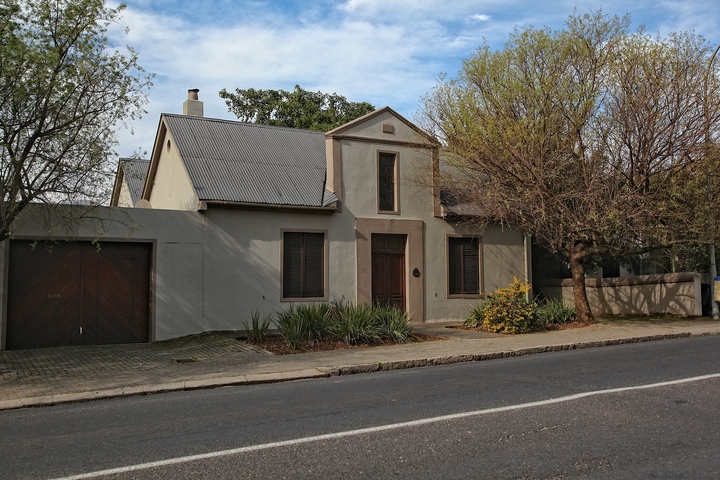
Paarl is a region where architecture is shaped by dramatic mountain formations, agricultural landscapes, and a growing mix of traditional and contemporary development. Designing within this environment requires a careful understanding of how buildings interact with both natural and built surroundings. An architect paarl helps translate these influences into spaces that are functional, enduring, and closely connected to the character of the region.
Allowing the Site to Influence Design Decisions
The most successful architectural projects often begin with observation rather than construction. Every site contains natural features, views, access points, and environmental conditions that can guide the direction of a design. In Paarl, where topography frequently plays a major role, architecture benefits from responding directly to the land.
Rather than forcing a uniform solution onto every property, design can emerge from the unique opportunities presented by each location, resulting in buildings that feel more integrated and natural.
Exploring the Relationship Between Built Form and Open Space
Architecture is not only defined by walls and roofs but also by the spaces that exist between them. Courtyards, terraces, gardens, and transitional zones contribute significantly to how a building is experienced.
Careful consideration of open space helps create environments that feel balanced and inviting. These areas often become important extensions of daily living, supporting relaxation, interaction, and visual connection to the surrounding landscape.
Designing With Seasonal Change in Mind
Environmental conditions are constantly shifting throughout the year. Variations in temperature, sunlight, and weather patterns influence how buildings perform and how occupants experience them.
Architectural planning that acknowledges seasonal change can improve comfort and usability over the long term. Orientation, shading devices, and ventilation strategies allow buildings to respond naturally to environmental conditions while maintaining a consistent quality of experience.
Creating Architectural Character Through Material Selection
Materials influence the atmosphere, durability, and identity of a project. Their texture, appearance, and aging process contribute to how architecture evolves over time. Design approaches frequently associated with pool house architect south africa demonstrate how carefully selected materials can strengthen the connection between architecture and outdoor environments.
Similar principles can be applied across a wide range of residential and mixed-use projects, helping create spaces that feel authentic and enduring.
Supporting Different Modes of Occupation
Buildings are often used in ways that extend beyond their original purpose. Flexible spaces can accommodate changing lifestyles, work patterns, and family structures without requiring major alterations.
Architectural design benefits from anticipating this adaptability. Rooms that can support multiple functions and layouts that encourage flexibility often provide greater long-term value while improving the usability of the building.
Understanding Scale Within the Landscape
The relationship between a building and its surroundings is influenced by scale. Large structures can dominate a site if not carefully considered, while smaller forms may struggle to establish presence when positioned within expansive landscapes.
Balancing scale requires attention to proportion, massing, and visual hierarchy. These elements help architecture establish an appropriate relationship with both the immediate site and the broader environment.
Creating Visual Continuity Between Interior and Exterior
Strong architectural experiences often emerge when interior spaces maintain a connection to the outside world. Views, daylight, and landscape elements can all contribute to a greater sense of openness and environmental awareness.
This continuity is achieved through thoughtful placement of openings, transitions, and gathering spaces. The goal is not simply to provide views but to strengthen the relationship between people and their surroundings throughout everyday activities.
Planning for Durability and Future Performance
Architecture should continue to perform effectively long after construction is complete. Decisions regarding structure, materials, and spatial organization influence how a building ages and adapts over time.
Principles often explored by a winery architect in South Africa highlight the importance of long-term planning, durability, and environmental responsiveness. These considerations help ensure that buildings remain functional and relevant as needs and conditions evolve.
Building Spaces That Reflect Their Environment
Architecture in Paarl is most successful when it responds directly to the qualities that make the region distinctive. Landscape, climate, materiality, and human experience all contribute to shaping meaningful design outcomes.
Ultimately, an architect paarl helps create spaces that balance practicality with environmental sensitivity, resulting in buildings that feel connected to their setting while supporting the needs of the people who use them every day.