Blogs » Arts & Culture » How to Select the Right Decoupage Designs for Furniture and Home Decor
How to Select the Right Decoupage Designs for Furniture and Home Decor
Posted by VFLEX Shop 1 hour ago
Filed in Arts & Culture 0 views
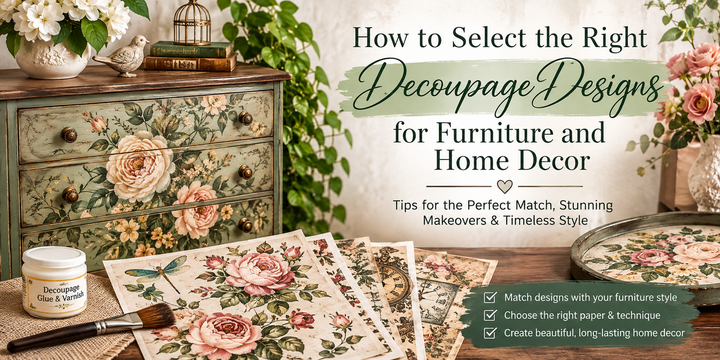
Decoupage is a simple yet versatile way to add artwork, pattern, and personality to furniture and home décor. From an old dresser or cabinet to a side table, tray, decorative box, or wall panel, the right decoupage design can make an ordinary surface feel intentional and artistic.
However, choosing decoupage designs for furniture is about more than picking a beautiful paper. The size and shape of the furniture, existing paint color, room style, artwork scale, and placement all influence the final result. A design that looks beautiful on a small tray may feel too busy on a large cabinet, while a detailed artwork can become a stunning focal point on a dresser.
If you are planning a furniture makeover or DIY home décor project, these practical guidelines can help you select decoupage designs that complement both the piece and the space around it.
Start by Understanding the Furniture
Before choosing your decoupage paper for furniture, study the piece you want to decorate. Look at its proportions, surface details, hardware, curves, panels, and the amount of uninterrupted space available.
A large dresser with wide drawer fronts gives you plenty of room for detailed artwork, botanical scenes, vintage illustrations, or repeating patterns. A cabinet with recessed panels may be better suited to centered artwork that follows the shape of each section.
Smaller furniture pieces require more restraint. A side table, stool, or small cabinet can look more balanced when you use one strong focal design instead of covering every available surface.
Raised moldings and decorative trims should also influence your placement. Rather than hiding these features, consider positioning the artwork so that the existing details frame or complement the design.
Measure the Surface Before Selecting Your Design
One of the easiest ways to avoid design problems is to measure the furniture before selecting the artwork.
Measure the height and width of the area you intend to cover, whether it is a drawer front, cabinet door, tabletop, or decorative panel. Then consider how the artwork will fit within those dimensions.
A large design may need to be cropped, while a small design may leave too much empty space. Neither is necessarily wrong, but you should understand how the artwork will look before applying adhesive.
For large surfaces, printed rice paper for crafts can provide flexibility when you want detailed artwork across furniture and décor projects. Rice paper is particularly useful when the design needs to conform to a larger surface or blend into a painted background.
Choose Between Focal and All-Over Designs
One of the most important decisions is whether you want a focal design or an all-over pattern.
Focal Designs
A focal design features one main image or composition. It works particularly well on:
- Side tables
- Cabinet panels
- Drawer fronts
- Decorative boxes
- Small tables
- Furniture with recessed panels
A detailed floral arrangement, portrait, bird, butterfly, character, or vintage illustration can become the visual center of the piece.
The Queen of Hearts Rice Paper Collection, for example, includes expressive artwork that can work well when you want furniture or décor to have a strong artistic personality.
All-Over Designs
All-over designs create continuity across a surface. Repeating florals, botanical patterns, smaller illustrations, and background designs are useful for:
- Large dressers
- Tabletops
- Cabinet exteriors
- Larger panels
- Furniture with multiple drawers
Instead of one central image, the artwork becomes part of the overall surface treatment.
Match the Design to the Furniture Style
The furniture itself can help determine which decoupage designs for furniture will look most natural.
For vintage or traditional furniture, consider floral, botanical, antique, romantic, or aged artwork. These styles can complement painted finishes and classic furniture details.
For contemporary pieces, cleaner patterns, simplified botanical designs, geometric artwork, or carefully selected statement imagery may create a stronger contrast.
Whimsical furniture can support fantasy characters, fairytale imagery, animals, or imaginative scenes. If you want a playful or storybook-inspired finish, collections such as dragonfly arts and crafts rice paper offer different artistic themes, including whimsical and fairytale directions.
For romantic or atmospheric projects, the Forevermore Collection can provide artwork that works naturally with furniture pieces featuring soft colors, vintage details, and elegant styling.
The important point is not to follow a strict design rule. Contrast can also be effective. A traditional floral design on a contemporary cabinet, for example, can create an interesting statement when the colors and proportions are balanced.
Coordinate the Artwork With Your Furniture Color
Your furniture's base color can significantly influence how the decoupage design looks.
If the furniture is cream, ivory, sage, or another soft shade, delicate florals and light botanical artwork can create a harmonious appearance.
For black, navy, deep green, or other dark furniture colors, high-contrast artwork can create a dramatic focal point.
Antique white, taupe, and warm wood tones often work beautifully with vintage, botanical, rustic, and aged designs.
You do not have to match every color exactly. Instead, look for one or two colors in the artwork that can be repeated through the furniture paint, trim, handles, or surrounding décor.
This creates visual continuity without making the entire piece look overly coordinated.
Consider the Room Where the Furniture Will Be Used
The finished furniture should work with the environment where it will be placed.
For a bedroom, soft florals, romantic artwork, botanical prints, and muted colors can create a calm decorative effect.
Living rooms can accommodate larger statement designs, dramatic artwork, or vintage compositions that become conversation pieces.
For craft rooms and creative spaces, whimsical, colorful, or character-based artwork can add personality.
Entryway furniture can benefit from a strong focal design because it is often one of the first decorative elements people see when entering a room.
Think about the existing wall color, curtains, rugs, artwork, and accessories before selecting your paper. The goal is not necessarily to make everything identical but to make the finished furniture feel like part of the room.
Think About Scale and Visual Balance
Scale is one of the most overlooked aspects of choosing decoupage designs for home decor.
A highly detailed design placed on a very small surface can become difficult to appreciate. On the other hand, a tiny repeating motif may disappear visually on a large dresser.
As a general approach:
- Use larger artwork for large furniture surfaces.
- Use focused motifs for small furniture.
- Use repeating patterns when you want continuity.
- Keep important artwork away from handles and hardware.
- Allow some painted space to remain visible when the design is visually complex.
Before applying the paper, place it over the furniture without adhesive. Step back and look at it from different angles. This simple preview can reveal whether the artwork feels too large, too small, crowded, or disconnected.
For additional guidance on selecting designs specifically for dressers, cabinets, and side tables, see How to Choose Decoupage Designs for Furniture: Dressers, Cabinets & Side Tables.
Consider the Paper and Application Method
The artwork itself matters, but so does the paper you choose.
Rice paper is commonly used for furniture decoupage because it is lightweight and flexible, making it suitable for detailed artwork and larger decorative surfaces. The right paper can also make it easier to blend the artwork into a painted background.
When working with decoupage rice paper, consider whether you want the paper's edges to remain visible or blend naturally into the furniture.
Torn edges can create softer transitions, particularly when the artwork is blended with paint. Straight edges can be useful when you want a clearly defined panel or framed composition.
Your application technique should support the design rather than fight it. Preview the placement first, apply adhesive evenly, and work carefully around detailed areas.
Use Supporting Materials to Complete the Look
Decoupage does not have to be the only decorative technique used on a furniture piece.
Paint can be used to create a coordinating background. Mouldings and appliques can emphasize architectural details. Transfers can add smaller accents, while metallic elements can highlight selected areas.
For example, Pentart supplies can be incorporated into furniture projects when you want to combine painting, decorating, and finishing techniques.
You can also use Artistic Painting Studio - Foils when a project calls for subtle metallic highlights or mixed-media details. The key is to use additional elements selectively so the main decoupage artwork remains visually clear.
Common Mistakes to Avoid
Even a beautiful design can look unsuccessful if it is poorly matched to the furniture. Watch out for these common mistakes:
- Choosing artwork that is too small for a large surface.
- Using an oversized design on a very small piece.
- Ignoring drawer handles, knobs, moldings, or panels.
- Choosing colors that compete with the room.
- Placing important artwork where hardware will cover it.
- Combining too many unrelated patterns.
- Covering every surface when the artwork already has significant visual detail.
- Skipping the placement preview.
- Applying paper before the painted base is properly prepared and dry.
- Forgetting to protect the finished surface with an appropriate sealer.
A successful project usually comes from planning rather than rushing. Give yourself time to test different placements before committing to one.
How to Create a Cohesive Decoupage Furniture Makeover
The strongest furniture makeovers usually have a clear visual connection between the paper, paint, hardware, and room.
Start with the artwork you love, then identify colors that can influence the furniture's base coat. If the paper includes muted green leaves, for example, a soft green or neutral background may help the artwork blend naturally.
You can also repeat small details from the paper through painted trim, decorative hardware, or subtle accents.
For larger furniture pieces, avoid making every area equally busy. A dominant design supported by simpler areas often creates better visual hierarchy.
This approach is particularly useful for furniture artists working on dressers, cabinets, buffets, vanities, and larger statement pieces.
Selecting Decoupage Designs for Smaller Home Décor
The same principles apply beyond furniture.
Decorative trays, boxes, frames, wall panels, serving boards, plant pots, and other accessories can all benefit from carefully selected artwork.
Smaller objects generally work well with a single focal motif or a smaller repeating pattern. When the surface contains curves or unusual shapes, flexible rice paper can make placement easier.
If you are creating a coordinated room, you can repeat the same artistic theme across several smaller décor pieces without using identical designs. For example, botanical artwork on a tray can complement floral artwork on a side table while maintaining a consistent color palette.
Final Thoughts
Selecting the right decoupage designs for furniture and home decor starts with understanding the surface, measuring the available space, and deciding what you want the finished piece to communicate. Consider the furniture's shape, artwork scale, color palette, room style, and whether a focal or all-over design will work best.
Collections such as Dragonfly Crafts, Queen of Hearts, Forevermore, and Paper Designs offer different artistic directions, making it possible to match artwork with everything from vintage furniture to whimsical and contemporary décor.
For additional materials and inspiration for your next project, visit VFlex and browse the available decoupage papers and creative supplies. Choose artwork that suits your furniture, plan the placement carefully, and let the design become part of the piece rather than simply sitting on top of it.
Frequently Asked Questions
What are the best decoupage designs for furniture?
The best design depends on the furniture's size, shape, color, and style. Large pieces can support detailed artwork and repeating patterns, while smaller furniture often looks better with one focused design.
How do I choose decoupage paper for furniture?
Start by measuring the surface and deciding whether you want full coverage or a focal image. Then consider the furniture's color, existing details, room décor, and the scale of the artwork.
What designs work best for dressers?
Dressers provide wide surfaces that work well with botanical scenes, floral artwork, vintage illustrations, and repeating patterns. Designs can also be coordinated across multiple drawers.
Can I use different decoupage designs on one furniture piece?
Yes. Different designs can work together when they share a similar color palette, theme, or artistic style. Use one dominant design and smaller coordinating elements to maintain visual balance.
How do I make decoupage furniture look cohesive?
Coordinate the artwork with the furniture's paint color, hardware, and surrounding décor. Preview the paper before applying it and repeat selected colors from the artwork in other parts of the furniture.
Is rice paper good for furniture decoupage?
Rice paper is a popular choice for furniture decoupage because it is lightweight and flexible and can work well across different decorative surfaces. The appropriate paper and adhesive should still be selected based on the specific project and surface.
How do I protect decoupage designs on furniture?
Once the paper and adhesive have fully dried, apply a protective finish suitable for the furniture surface and its intended use. Proper sealing helps protect the artwork from everyday handling and wear.