Best Korean Food in Salt Lake Kolkata: Top Dishes
Posted by Main Street Cafe
Filed in Other 69 views
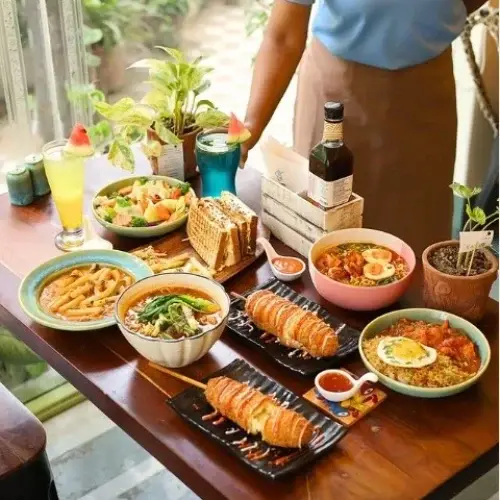
Best Korean Food in Salt Lake Kolkata is becoming a popular search for food lovers who want bold flavours, comforting meals, and something different from regular dining options. Salt Lake has always been one of Kolkata’s most active food destinations, known for cafés, fine dining, quick bites, and global cuisine. In recent years, Korean food has earned a special place among young diners, office-goers, families, and K-drama fans who want to experience the taste they often see on screen.
Korean cuisine is not just about spice. It is about balance. A good Korean meal combines sweet, savoury, tangy, smoky, and spicy flavours in one satisfying plate. From hot bowls of ramen to crispy Korean fried chicken, from flavourful rice bowls to kimchi-based dishes, Korean food gives diners a memorable experience.
For people living in or around Salt Lake, the demand for Korean dishes has grown because the area is home to students, professionals, families, and food explorers. Whether someone wants a quick lunch, a weekend dinner, or a themed food experience with friends, Korean food fits many moods.
This blog explores what makes Korean food special, the top dishes to try, why Salt Lake is a good place for Korean cuisine, and how first-time diners can choose the right dish.
What Makes Korean Food So Popular?
Korean food refers to dishes inspired by traditional Korean cooking styles, ingredients, and flavour combinations. It often includes rice, noodles, vegetables, meat, seafood, fermented foods, sauces, and soups.
One major reason Korean food has become popular is the global rise of Korean culture. K-dramas, K-pop, Korean beauty trends, and travel videos have introduced people to Korean lifestyle and cuisine. Many viewers see dishes like tteokbokki, ramen, bibimbap, kimchi, and Korean barbecue on screen and feel curious to try them.
Another reason is the flavour. Korean food feels exciting but familiar. Rice, noodles, vegetables, chicken, eggs, and sauces are ingredients that Indian diners already enjoy. The Korean style of cooking gives them a fresh twist.
Korean cuisine also works well for different eating preferences. Some people like spicy food. Some prefer mild comfort meals. Some want snacks. Others want filling rice bowls. Korean cuisine offers options for all these needs.
Why Salt Lake Kolkata Is a Great Place for Korean Food
Salt Lake is one of Kolkata’s most modern and food-friendly locations. It has corporate offices, residential blocks, shopping areas, cafés, restaurants, and entertainment hubs. This makes it a natural place for global food trends to grow.
Many people in Salt Lake are open to trying new cuisines. Office workers look for interesting lunch options. Students search for budget-friendly meals. Families prefer comfortable dining spaces. Young groups often look for Instagram-friendly food experiences.
Korean food fits well into this culture. It is colourful, flavourful, and visually attractive. A bowl of Korean ramen, a plate of fried chicken, or a serving of spicy rice cakes can instantly catch attention.
Salt Lake also has good connectivity. People from nearby areas like New Town, Lake Town, Dum Dum, Kankurgachi, and Ultadanga can easily visit Salt Lake for food outings. This increases the demand for unique dining experiences.
Top Korean Dishes You Must Try
Korean cuisine has many dishes, but some are especially popular among first-time diners. These dishes are easy to understand, enjoyable, and suitable for Indian taste preferences.
Korean Ramen
Korean ramen is one of the most loved Korean-style dishes. It is a noodle soup made with spicy or savoury broth, noodles, vegetables, egg, and sometimes chicken or seafood.
Ramen is comforting because it feels warm, filling, and satisfying. It is a great choice for rainy evenings, winter nights, or casual dinners. Many people also know ramen from Korean dramas, where characters enjoy steaming bowls of noodles late at night.
For beginners, Korean ramen is a safe starting point. It gives the taste of Korean spice without feeling too unfamiliar. Those who enjoy Indian-style spicy noodles will likely enjoy Korean ramen.
Kimchi
Kimchi is a traditional Korean side dish made mainly from fermented vegetables, especially cabbage and radish. Fermentation means the ingredients are preserved naturally over time, creating a tangy and deep flavour.
Kimchi is often served with rice bowls, noodles, soups, and grilled dishes. It adds freshness and sharpness to the meal.
According to food and nutrition research from institutions like Harvard T.H. Chan School of Public Health, fermented foods can support gut health because they may contain beneficial bacteria. This is one reason kimchi is often discussed as both flavourful and functional food.
For Indian diners, kimchi may feel similar to a spicy pickle, but it has a different texture and taste. It is tangy, crunchy, and slightly sour.
Korean Fried Chicken
Korean fried chicken is crispy, juicy, and usually coated with sweet-spicy or garlic-based sauces. It is different from regular fried chicken because of its extra-crispy coating and bold glaze.
This dish is perfect for sharing. It works well for friends, parties, casual dinners, and weekend outings.
Popular flavours often include spicy gochujang sauce, soy garlic, honey butter, and sweet chilli. Gochujang is a Korean red chilli paste that gives many Korean dishes their signature spicy-sweet taste.
If you are trying Korean food for the first time, Korean fried chicken is one of the easiest dishes to enjoy.
Bibimbap
Bibimbap means mixed rice. It is a Korean rice bowl served with vegetables, protein, sauce, and often a fried egg on top.
The beauty of bibimbap is its balance. It has rice for comfort, vegetables for freshness, protein for fullness, and sauce for flavour. Before eating, everything is mixed together.
Bibimbap is a good option for people who want a complete meal in one bowl. It is colourful, filling, and easy to customize.
For health-conscious diners, bibimbap can be a smart choice because it includes vegetables and controlled portions of rice and protein.
Tteokbokki
Tteokbokki is a popular Korean street food made with chewy rice cakes cooked in a spicy and slightly sweet sauce. It is one of the most famous snacks in Korea.
The texture is what makes tteokbokki special. The rice cakes are soft and chewy, while the sauce is bold and rich.
This dish is ideal for people who enjoy spicy snacks. It may feel new for Indian diners because rice cakes are not common in regular Kolkata food culture. But once you try it, the texture becomes memorable.
Tteokbokki is best enjoyed hot and fresh.
Kimbap
Kimbap is a Korean rice roll made with seaweed, rice, vegetables, and fillings like egg, chicken, tuna, or tofu. It looks similar to sushi but has a different taste and preparation style.
Kimbap is lighter than many other Korean dishes. It is easy to eat, neat, and good for quick meals.
For people who want to try Korean food without too much spice, kimbap is a good choice. It is simple, balanced, and travel-friendly.
Japchae
Japchae is a Korean noodle dish made with glass noodles, vegetables, and a savoury-slightly sweet sauce. Glass noodles are usually made from sweet potato starch and have a smooth, springy texture.
Japchae is not usually very spicy, so it is suitable for people who prefer mild food. It can be served as a main dish or side dish.
This dish is a good example of Korean flavour balance. It is light but satisfying.
Korean Barbecue
Korean barbecue refers to grilled meat, usually cooked with marinades and served with sides, sauces, and lettuce wraps. In some places, diners grill the meat at the table.
The experience is social and interactive. It is not just a meal; it is an activity.
Korean barbecue is best for groups. Friends and families can enjoy cooking, sharing, and tasting different combinations.
For Indian diners who enjoy kebabs, grills, and smoky flavours, Korean barbecue can be very appealing.
Mandu
Mandu are Korean dumplings filled with vegetables, meat, tofu, or other ingredients. They can be steamed, fried, or served in soup.
Mandu is a comforting dish and easy for beginners. It is similar in concept to momos, which are already popular in Kolkata, but Korean-style mandu has its own flavour profile.
If you enjoy dumplings, mandu is worth trying.
Korean Rice Bowls
Korean rice bowls are practical, filling, and flavour-rich. They often include rice, vegetables, sauce, meat or tofu, and toppings.
These bowls are great for office lunches and casual meals because they are easy to eat and balanced.
A Korean rice bowl can be spicy, mild, vegetarian, or protein-heavy depending on the ingredients.
What Is Gochujang?
Gochujang is a Korean red chilli paste made from chilli powder, fermented soybean, rice, and salt. It gives Korean dishes a spicy, sweet, and savoury taste.
Gochujang is important because it creates depth. Unlike plain chilli sauce, it has fermented richness. This makes Korean dishes taste layered and satisfying.
You will find gochujang in dishes like tteokbokki, spicy chicken, bibimbap sauce, and Korean stews.
For Indian food lovers, gochujang may feel exciting because it has spice but also sweetness and umami. Umami means a deep savoury taste, like what you get from mushrooms, soy sauce, cheese, or slow-cooked food.
Is Korean Food Too Spicy?
Korean food can be spicy, but not every Korean dish is extremely hot. Many dishes are mild, savoury, sweet, or balanced.
If you are sensitive to spice, you can start with kimbap, japchae, mild ramen, mandu, or rice bowls with light sauce. If you enjoy spicy food, try tteokbokki, spicy ramen, kimchi stew, or gochujang chicken.
The best approach is simple. Ask about the spice level before ordering. Most restaurants can guide you toward mild, medium, or spicy options.
Korean spice is different from Indian spice. Indian spice often uses many masalas. Korean spice is usually more sauce-based, with chilli paste, garlic, sesame oil, soy sauce, and fermented flavours.
Why Korean Food Appeals to Kolkata Diners
Kolkata has always loved food with character. From street-side rolls to Chinese restaurants, Bengali meals, Mughlai dishes, cafés, and continental food, the city enjoys variety.
Korean food appeals to Kolkata diners because it brings something new without feeling completely unfamiliar. The rice, noodles, chicken, eggs, soups, and fried snacks feel approachable. The sauces and fermented flavours add novelty.
Young diners especially enjoy Korean food because it connects with pop culture. Watching a K-drama and then trying ramen or tteokbokki creates a fun experience. Food becomes part of a lifestyle trend.
For families, Korean food offers shared dishes. For office-goers, rice bowls and noodles are convenient. For groups of friends, fried chicken and barbecue-style meals are exciting.
How to Choose the Best Korean Food in Salt Lake Kolkata
Choosing the right Korean dish depends on your taste, appetite, and comfort with new flavours.
For First-Time Diners
Start with Korean fried chicken, ramen, mandu, or kimbap. These dishes are easy to enjoy and do not feel too unfamiliar.
They offer a good introduction without overwhelming your palate.
For Spicy Food Lovers
Try tteokbokki, spicy ramen, kimchi stew, or gochujang chicken. These dishes deliver bold flavours and heat.
Pair them with a cooling drink or a mild side dish for balance.
For Health-Conscious Diners
Choose bibimbap, japchae, grilled dishes, or rice bowls with vegetables. These options can feel lighter and more balanced.
Look for dishes with vegetables, lean protein, and controlled sauce.
For Group Dining
Korean fried chicken, barbecue dishes, dumplings, and shared rice bowls work well for groups.
These dishes create conversation and make the meal more enjoyable.
Korean Food and the Role of Side Dishes
Korean meals often include side dishes called banchan. Banchan refers to small side dishes served with the main meal.
These may include kimchi, pickled vegetables, seasoned spinach, potatoes, sprouts, or other small preparations.
The purpose of banchan is balance. If the main dish is spicy, a side dish can add freshness. If the main dish is rich, a tangy side can refresh the taste.
This style of eating is similar to how Indian meals use chutney, pickle, salad, dal, or raita to complete the plate.
What to Expect When Trying Korean Food for the First Time
Trying Korean food for the first time can feel exciting. The colours, textures, and sauces may look different, but the experience is enjoyable if you choose wisely.
Expect bold sauces. Korean dishes often use soy sauce, garlic, sesame oil, chilli paste, and fermented ingredients.
Expect mixed textures. You may find crispy chicken, chewy rice cakes, soft noodles, crunchy kimchi, and sticky rice in one meal.
Expect sharing. Many Korean dishes are designed for group enjoyment.
Most importantly, keep an open mind. Korean food is best enjoyed when you explore slowly and try different combinations.
Common Mistakes to Avoid When Ordering Korean Food
Many first-time diners make small mistakes that can affect their experience. Avoiding them can help you enjoy your meal better.
Ordering Only the Spiciest Dish
Do not start with the hottest dish just because Korean food is known for spice. Begin with a balanced dish and then explore stronger flavours.
Ignoring Side Dishes
Side dishes are part of the Korean food experience. Try them with the main dish instead of treating them as extras.
Not Mixing Bibimbap Properly
Bibimbap is meant to be mixed before eating. Mixing spreads the sauce, egg, vegetables, and rice evenly.
Comparing Everything to Indian Food
Korean food has its own identity. It may use spice, rice, and pickles, but the taste profile is different. Enjoy it for what it is.
Not Asking About Ingredients
If you have dietary restrictions, always ask about ingredients. Some sauces may contain seafood, soy, sesame, or meat-based stock.
Best Korean Food in Salt Lake Kolkata for Different Occasions
The best dish can change depending on the occasion.
For a quick lunch, Korean rice bowls, kimbap, and ramen are practical choices.
For a weekend dinner, Korean fried chicken, barbecue-style dishes, and bibimbap feel more satisfying.
For a rainy day, hot ramen or Korean stew is perfect.
For a snack outing, tteokbokki, mandu, and fried chicken are great options.
For a light meal, japchae or kimbap works well.
This flexibility is one reason Korean cuisine is growing in popularity.
Korean Food Ingredients You Should Know
Knowing a few common ingredients can make your Korean food experience easier.
Kimchi
Kimchi is fermented vegetable pickle, usually spicy and tangy.
Gochujang
Gochujang is Korean red chilli paste with spicy, sweet, and savoury notes.
Sesame Oil
Sesame oil gives Korean dishes a nutty aroma.
Soy Sauce
Soy sauce adds saltiness and depth.
Seaweed
Seaweed is used in rolls, soups, and snacks.
Rice Cakes
Rice cakes are chewy pieces made from rice flour, often used in tteokbokki.
These ingredients build the foundation of many Korean dishes.
Is Korean Food Good for Vegetarians?
Korean food can be vegetarian-friendly, but it depends on preparation. Some dishes use meat stock, fish sauce, seafood paste, or egg.
Vegetarian diners can look for vegetable kimbap, tofu rice bowls, japchae, vegetable mandu, and some versions of bibimbap.
It is always better to confirm with the restaurant before ordering. Ask whether the sauce or broth contains fish, chicken, or meat.
With the right choices, vegetarian diners can enjoy Korean cuisine comfortably.
How Korean Food Fits Modern Dining Trends
Modern diners want more than just a meal. They want experience, presentation, taste, and shareable moments.
Korean food fits this trend perfectly. It is colourful, social, and flavourful. It also photographs well, which makes it popular on social media.
The National Restaurant Association has often highlighted global flavours and comfort foods as important food trends. Korean cuisine sits at the intersection of both. It feels global, yet comforting.
For Salt Lake’s young and urban audience, this makes Korean food highly appealing.
Why Presentation Matters in Korean Cuisine
Korean food is visually attractive. A bowl of bibimbap often shows colourful vegetables arranged neatly. Kimbap has clean circular slices. Korean fried chicken looks glossy and crispy. Ramen looks rich and warm.
Presentation matters because it improves the dining experience. When food looks good, people feel more excited to eat it.
This is one reason Korean food performs well online. Diners often share photos before taking the first bite.
How to Pair Korean Dishes for a Complete Meal
A good Korean meal has balance. You can pair one main dish with one side or snack.
For example, ramen with mandu makes a comforting meal. Bibimbap with kimchi gives balance. Korean fried chicken with kimbap works well for sharing. Tteokbokki with a mild rice bowl balances spice.
If you are dining in a group, order a mix of spicy, mild, crispy, and rice-based dishes. This allows everyone to taste something different.
What Is the Best Starter Korean Dish?
The best starter Korean dish for most beginners is Korean fried chicken or ramen. These dishes are familiar enough to enjoy easily and flavourful enough to introduce Korean taste.
Kimbap is also a good starter for people who prefer less spice. Mandu is another safe option for dumpling lovers.
If you are adventurous, try tteokbokki. It has a unique texture and bold sauce.
Why Korean Food Is More Than a Trend
Korean food may have become popular because of entertainment culture, but it is not just a passing trend. It has strong culinary roots, balanced meals, and a wide range of dishes.
The cuisine offers comfort, spice, nutrition, and social dining. These qualities help it stay relevant beyond temporary popularity.
In Salt Lake Kolkata, Korean food has the potential to become a regular choice for diners who want something different from the usual café or fast-food experience.
Frequently Asked Questions
What is the best Korean food to try first in Salt Lake Kolkata?
The best Korean food to try first is ramen, Korean fried chicken, kimbap, or mandu. These dishes are beginner-friendly and easy to enjoy.
Is Korean food very spicy?
Some Korean dishes are spicy, but many are mild. You can choose dishes like japchae, kimbap, mandu, or mild rice bowls if you do not prefer too much heat.
What is kimchi?
Kimchi is a fermented Korean side dish usually made with cabbage or radish. It tastes tangy, spicy, and slightly sour.
What is Korean ramen?
Korean ramen is a noodle soup made with broth, noodles, vegetables, egg, and sometimes chicken or seafood. It is warm, filling, and flavourful.
Can vegetarians eat Korean food?
Yes, vegetarians can enjoy Korean food, but they should check ingredients. Some sauces and broths may contain seafood or meat stock.
Why is Korean food popular in Kolkata?
Korean food is popular in Kolkata because of Korean dramas, K-pop culture, social media, and the city’s love for new flavours.
Final Thoughts
Best Korean Food in Salt Lake Kolkata is a great choice for anyone who wants to explore bold flavours, comforting dishes, and a fresh dining experience. Korean cuisine offers something for every mood, from spicy ramen and crispy fried chicken to balanced bibimbap, light kimbap, chewy tteokbokki, and flavourful rice bowls.
Salt Lake is the perfect place for this growing food trend because it has a young, active, and food-loving audience. Whether you are a beginner, a spice lover, a vegetarian diner, or someone planning a meal with friends, Korean food gives you many options to enjoy.
If you are curious about Korean cuisine, start with a simple dish and explore from there. Try the flavours, understand the ingredients, and enjoy the experience one plate at a time.