How to Choose the Right Location for a Successful Film or Photography Project
Posted by Bawali Farmhouse
Filed in Business 32 views
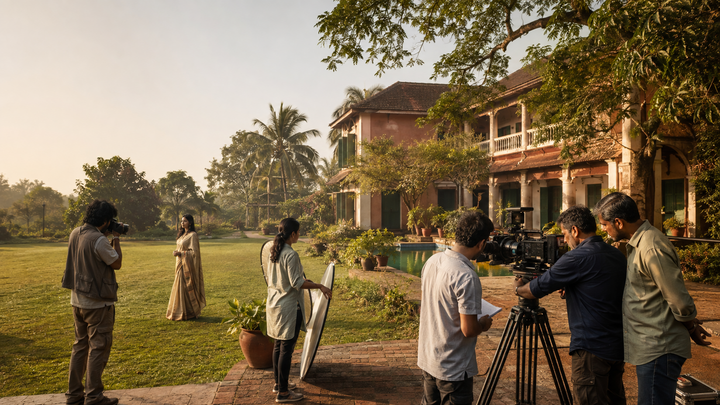
Every memorable visual begins with the right setting. Selecting a suitable Film & video shooting location near Kolkata can influence the atmosphere, production schedule and final quality of a project. A visually impressive venue may initially capture attention, but practical factors such as accessibility, lighting, privacy and crew facilities determine whether the day runs smoothly. Whether you are planning a short film, commercial, music video or portfolio session, careful location selection can save time, control costs and help the creative team tell a stronger story.
Why the Location Matters in Visual Storytelling
A location is more than a background. It communicates mood, context and character before anyone speaks.
An old courtyard may suggest nostalgia, while an open lawn can create a sense of freedom. Rustic rooms work well for intimate narratives, whereas gardens, pools and tree-lined paths support lifestyle campaigns and romantic sequences. The surroundings should strengthen the story instead of distracting viewers from it.
Before shortlisting venues, ask three questions:
- What should the audience feel when they see the setting?
- Does the environment match the script, product or subject?
- Can the venue support every scene planned for the day?
Clear answers will prevent teams from choosing a property solely because it looks attractive in photographs.
Turn the Creative Brief into a Location Checklist
A practical checklist connects the creative vision with production requirements. Begin by breaking the script or campaign brief into individual scenes.
Identify the Required Backdrops
List every environment needed, such as a bedroom, balcony, garden, poolside area, heritage structure or open field. A property with multiple backdrops reduces the need to travel between venues.
This becomes particularly valuable for web series, fashion campaigns and advertising projects that require several visual moods. One adaptable property can represent different settings when the camera angles, décor and lighting are changed thoughtfully.
Estimate the Space Needed
The venue must accommodate more than the people appearing on camera. Consider space for:
- Cameras, tripods and lighting equipment
- Makeup and wardrobe preparation
- Artists, technicians and production assistants
- Props and temporary set materials
- Food, water and rest areas
- Equipment loading and secure storage
A compact setting may look perfect during a recce but become uncomfortable once the full team and equipment arrive.
Evaluate Light, Sound and Weather Conditions
Natural beauty alone does not guarantee production-friendly conditions. Lighting, noise and weather can significantly affect the schedule.
Observe Natural Light
Visit the property at approximately the same time the shoot will take place. Study how sunlight enters rooms, where shadows fall and whether outdoor areas become too bright during midday.
Morning and late-afternoon light is generally softer and more flattering. However, filmmakers may need consistent lighting across several takes. In that case, check whether rooms allow curtains, reflectors and artificial lights to be positioned easily.
Listen for Background Noise
Traffic, construction work, generators, aircraft and nearby public activity can interrupt dialogue recording. Spend several quiet minutes listening at each proposed spot.
For interviews or dialogue-heavy scenes, choose secluded areas or confirm whether noisy equipment can be temporarily switched off. Recording room tone during the shoot can also help editors create smoother audio transitions.
Prepare for Weather Changes
When selecting an Outdoor shooting location near Kolkata, always create a weather backup plan. Sudden rain, strong wind or excessive heat can delay production and affect equipment.
Look for covered verandas, indoor rooms or sheltered areas that can support alternative shots. Keep waterproof equipment covers, drinking water and towels available, especially during humid or unpredictable seasons.
Conduct a Detailed Location Recce
A location recce allows directors, photographers and production managers to identify problems before the scheduled date.
Walk through the property in the same order as the planned shot list. Take reference photographs and short videos from possible camera positions. Note power points, sunlight direction, room dimensions, access routes and mobile network strength.
During the visit, confirm:
- Available shooting hours
- Power supply and backup arrangements
- Changing rooms and washrooms
- Parking and equipment unloading access
- Food and refreshment options
- Restrictions on drones, smoke, fire or loud music
- Rules for moving furniture and installing temporary décor
- Overtime charges and cancellation conditions
Share the recce notes with department heads so that everyone can prepare accurately.
Match the Venue to the Type of Production
Different projects require different levels of flexibility and support.
Films, Short Films and Web Series
Narrative productions often need controlled spaces, multiple angles and extended working hours. A venue containing indoor rooms, gardens, pathways and architectural features can help filmmakers create visual variety without frequent company moves.
Directors should also check whether the property permits set dressing and continuity arrangements across multiple days.
Commercials and Corporate Videos
Advertising teams usually work within tight schedules. Easy access, reliable power and clearly defined booking terms are essential. The background should complement the product while leaving sufficient room for lights, reflectors and camera movement.
For corporate videos, quieter spaces with uncluttered backgrounds can make interviews appear more professional.
Photography, Fashion and Pre-Wedding Sessions
A versatile Photography and video shoot location Kolkata professionals can use should offer visual contrast within a manageable area. Gardens, textured walls, heritage details, water features and naturally lit interiors allow photographers to produce varied compositions efficiently.
Couples, models and stylists also benefit from private changing areas and comfortable waiting spaces.
Plan the Shooting Day Efficiently
Once the location is confirmed, build the schedule around light conditions, artist availability and movement between backdrops.
Start with scenes that depend on specific natural light. Group shots taking place in the same area to reduce equipment movement. Allow additional time for costume changes, lighting adjustments and unexpected delays.
A simple production plan should include:
- Crew arrival and equipment setup
- Makeup, wardrobe and rehearsal time
- Scene-wise shooting schedule
- Meal and rest breaks
- Backup indoor sequences
- Pack-up and final property inspection
Assign one team member to coordinate with the venue representative throughout the day. This prevents communication gaps and helps resolve operational issues quickly.
Respect the Property and Local Environment
Professional conduct builds trust between venue owners and production teams. Protect floors and furniture when moving heavy equipment. Avoid damaging plants, walls or architectural elements. Dispose of waste responsibly and restore moved items before leaving.
If the production uses drones, artificial smoke, generators or high-intensity lighting, obtain approval in advance. Clear communication protects the property, avoids disputes and creates opportunities for future bookings.
Final Thoughts
The best production setting balances creative potential with practical convenience. Strong visuals matter, but accessibility, privacy, power, crew facilities and flexible backdrops are equally important.
Define the story first, prepare a detailed checklist and conduct a thorough recce before paying a deposit. When the venue supports both the creative concept and logistical needs, the team can focus on performance, composition and storytelling—resulting in a smoother shoot and a more compelling final production.