How to Choose the Right Property Professional in Adelaide
Posted by First Move Real Estate
Filed in Business 30 views
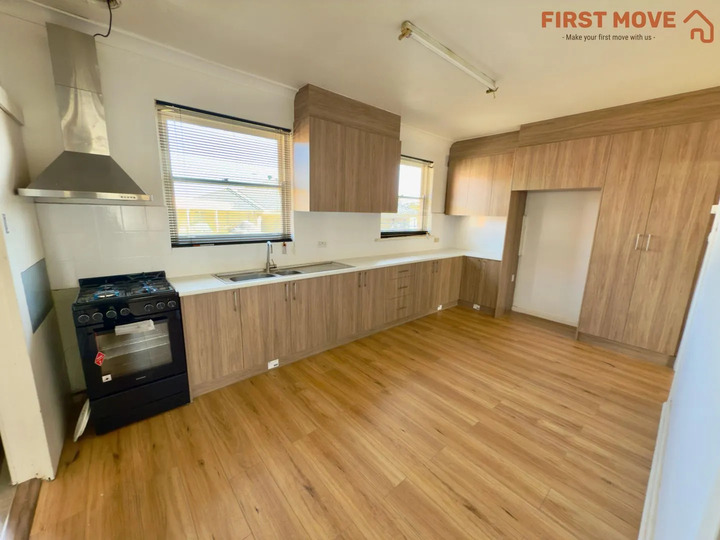
Buying or selling a home often begins with excitement, but the process can quickly become complicated. Pricing, inspections, negotiations and contracts all require careful decisions. Experienced real estate agents in Adelaide can help clients understand local conditions and avoid costly mistakes. However, choosing the right professional involves more than selecting the first name displayed on a property sign. You need someone who understands your goals, communicates clearly and supports their recommendations with reliable evidence.
Why the Right Property Professional Matters
Imagine a homeowner named Sarah preparing to sell the house her family had occupied for 12 years. One adviser recommended a high listing price to win her business, while another explained recent comparable sales and suggested a more realistic strategy.
Sarah initially preferred the higher estimate. After reviewing the evidence, however, she realised that an inflated price could leave the property unsold for weeks. She selected the adviser who offered clear data instead of an attractive promise. The home attracted qualified buyers and sold within a reasonable timeframe.
This situation highlights an important lesson: good property advice should be based on market knowledge, preparation and honest communication.
Define Your Property Goals First
Before contacting a real estate agency in Adelaide, decide what you want to achieve. Clear objectives make it easier to find a professional with relevant experience.
Sellers should consider:
- Their preferred selling timeline
- The minimum acceptable price
- Whether repairs or styling are required
- Their budget for marketing
- Whether they want a private sale or auction
- How frequently they expect progress updates
Buyers should define:
- Their total purchasing budget
- Preferred suburbs and property types
- Essential and optional features
- Travel requirements
- Renovation tolerance
- Long-term ownership plans
Writing these points down helps keep discussions focused and prevents emotional decisions from taking control.
Look for Genuine Local Knowledge
Property markets can vary significantly between neighbouring suburbs. School zones, transport connections, planned developments, local amenities and buyer demand may influence values.
A local real estate agent Adelaide property owners can rely on should be able to explain these differences clearly. Instead of offering broad statements about the market, the adviser should provide specific information about recent activity in the relevant area.
Questions That Test Local Expertise
Ask prospective professionals:
- Which comparable properties have recently sold nearby?
- How long are similar homes remaining on the market?
- What features are attracting buyers in this suburb?
- Are local prices rising, stabilising or declining?
- Which buyer groups are showing the most interest?
- What developments may affect future demand?
Strong answers should include evidence and context. Be cautious if the responses sound vague, overly optimistic or rehearsed.
Compare Experience That Matches Your Needs
Years in the industry can be useful, but relevant experience matters more. An adviser who specialises in apartments may not be the ideal choice for a large family home. Similarly, someone experienced in premium properties may use a different strategy from a professional serving first-home buyers.
Ask for examples of recent transactions involving properties similar to yours. Review the price range, suburb, property type and time on the market.
If you are selling, request a comparative market analysis. This report should explain how the recommended price was calculated using recent, relevant sales.
Evaluate the Proposed Marketing Strategy
Effective property marketing requires more than uploading photographs to a listing website. A thoughtful campaign should identify the likely buyer and present the home in a way that appeals to that audience.
Essential Marketing Elements
A balanced plan may include:
- Professional property photography
- Clear and persuasive listing copy
- Floor plans
- Video or virtual tours
- Major property portal listings
- Social media promotion
- Email marketing
- Open inspections
- Direct communication with active buyers
Ask why each channel is being recommended and how its performance will be monitored. Expensive marketing is not automatically effective marketing.
The best real estate agent in Adelaide for your situation should explain how the campaign supports your price expectations, timeline and target audience.
Pay Attention to Communication Style
Property transactions involve frequent updates and time-sensitive decisions. Poor communication can create unnecessary stress, even when the campaign is otherwise well managed.
During your initial conversations, observe whether the professional:
- Responds within a reasonable time
- Listens without interrupting
- Explains unfamiliar terms
- Answers questions directly
- Provides realistic expectations
- Confirms important details in writing
Ask who will manage your account after you sign an agreement. In some businesses, the person delivering the presentation is not the individual handling inspections, buyer enquiries or negotiations.
Establish how often you will receive updates and whether communication will occur by phone, email or text.
Understand Fees and Agreements
Never choose an adviser based only on the lowest commission. A lower fee can become expensive if weak marketing or poor negotiation produces a disappointing result.
Request a written explanation of:
- Commission structure
- Marketing expenses
- Photography and staging costs
- Auctioneer fees, if applicable
- Administrative charges
- Agreement duration
- Cancellation conditions
- Any additional expenses
Compare the overall service and expected value, not just one percentage.
Read the agency agreement carefully before signing. If any clause is unclear, ask for an explanation and consider obtaining independent legal advice.
Assess Negotiation Skills
Negotiation can significantly influence the final outcome. A skilled negotiator knows how to identify genuine interest, manage competing offers and maintain momentum without pressuring clients into unsuitable decisions.
Ask About the Negotiation Process
Useful questions include:
- How do you qualify potential buyers?
- How are offers presented to the seller?
- What happens when an offer is below expectations?
- How do you create competition between interested parties?
- How will you protect my negotiating position?
Pay attention to how the professional negotiates with you during the interview. Excessive pressure to sign immediately may indicate how future conversations will be handled.
Check Reviews and References Carefully
Online reviews can reveal patterns in communication, reliability and service quality. Focus on detailed comments that describe specific experiences rather than ratings alone.
Look for consistent feedback about:
- Accurate pricing advice
- Responsiveness
- Transparency
- Negotiation ability
- Problem-solving
- Support before and after settlement
Request references from recent clients with similar properties or goals. Ask those clients whether the advice was realistic, whether communication remained consistent and whether any unexpected costs occurred.
Watch for Common Warning Signs
Not every confident presentation represents dependable service. Potential warning signs include:
- A price estimate unsupported by comparable sales
- Pressure to sign during the first meeting
- Unclear fees or additional charges
- Guarantees about an exact selling price
- Limited knowledge of the relevant suburb
- Slow responses before an agreement is signed
- Negative comments about every competitor
- An identical marketing plan for every property
Trust evidence over promises. A reliable professional should be comfortable discussing both opportunities and possible challenges.
Create a Simple Comparison Scorecard
After interviewing at least three candidates, score each one from one to five across key categories:
- Local market knowledge
- Relevant experience
- Communication
- Marketing strategy
- Negotiation approach
- Fee transparency
- Client feedback
- Personal compatibility
The highest total does not automatically determine the final choice, but the scorecard can reveal meaningful differences and reduce emotional bias.
Final Thoughts
Choosing a property professional is an important financial decision. Start by defining your goals, then compare local knowledge, relevant experience, marketing strategy, communication and negotiation skills.
Ask direct questions and request evidence for every major recommendation. Review the agreement carefully and make sure you understand the complete cost before committing.
The right adviser will not simply tell you what you want to hear. They will explain the market honestly, develop a strategy around your circumstances and help you make informed decisions from the first conversation through settlement.