Growth Disorders in Children: Causes, Symptoms, and Treatment Options
Posted by Faizan Karam
Filed in Health 87 views
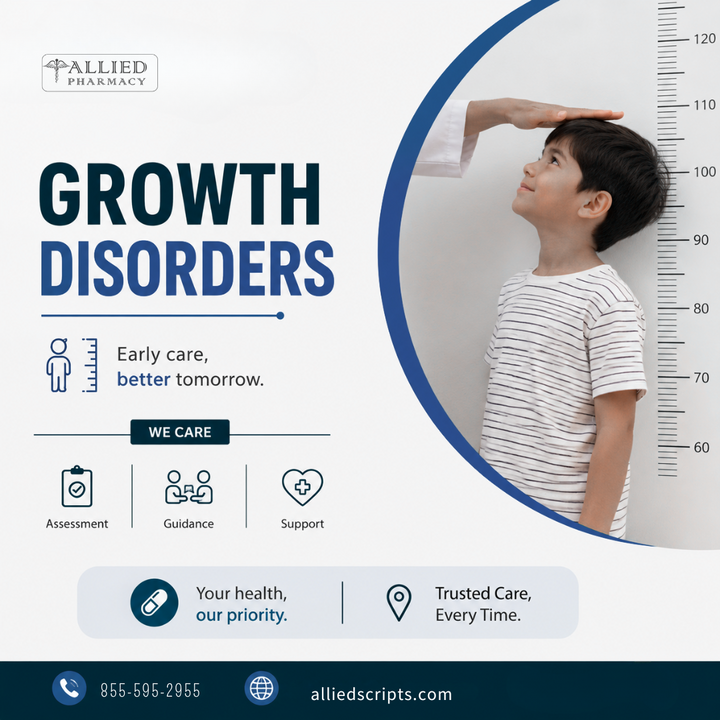
A child's growth is one of the most important indicators of overall health and development. While every child grows at a unique pace, significant delays in height, weight, or physical development may indicate an underlying growth disorder. These conditions can affect a child's physical health, emotional well-being, and confidence. Understanding growth disorders and recognizing their early signs can help parents seek timely medical care and improve treatment outcomes.
What Are Growth Disorders?
Growth disorders are medical conditions that prevent children from growing at a normal rate. These disorders may affect height, weight, or overall physical development. Some children may be shorter than expected for their age, while others may experience delayed puberty or abnormal growth patterns. Growth disorders can occur due to hormonal problems, nutritional deficiencies, chronic illnesses, or genetic factors.
Common Causes of Growth Disorders
Several factors can contribute to abnormal growth in children. Hormonal imbalances are among the most common causes. Growth hormone deficiency occurs when the body does not produce enough growth hormone, leading to slower physical development. Thyroid disorders can also affect growth by disrupting metabolism and energy production.
Nutritional deficiencies are another major cause. Children who do not receive adequate vitamins, minerals, and protein may experience delayed growth. Chronic medical conditions such as kidney disease, heart disease, and gastrointestinal disorders can also interfere with normal development.
Signs and Symptoms to Watch For
Parents should pay close attention to their child's growth patterns. Some common signs of growth disorders include:
- Short stature compared to children of the same age
- Slow growth rate over time
- Delayed puberty
- Unexplained weight changes
- Low energy levels and fatigue
- Delayed developmental milestones
If any of these symptoms are present, medical evaluation should be considered.
How Growth Disorders Are Diagnosed
Diagnosing growth disorders involves a comprehensive assessment by healthcare professionals. Doctors typically review medical history, family history, and growth records. Growth charts are used to compare a child's height and weight with standard growth patterns.
Additional tests may include blood tests, hormone evaluations, X-rays to assess bone age, and imaging studies. In certain cases, genetic testing may be recommended to identify inherited conditions affecting growth.
Treatment Options
Treatment depends on the underlying cause of the growth disorder. Children with growth hormone deficiency may benefit from growth hormone therapy. Those with thyroid disorders often require hormone replacement treatment. Nutritional counseling can help children suffering from dietary deficiencies, while management of chronic diseases can improve overall growth outcomes.
The goal of treatment is not only to improve physical growth but also to support the child's long-term health and well-being.
Why Early Detection Matters
Early diagnosis significantly increases the chances of successful treatment. Delayed intervention may limit growth potential and affect emotional development. Regular pediatric checkups allow healthcare providers to monitor growth trends and identify concerns before they become serious.
Parents should never ignore persistent growth delays or developmental concerns. Seeking medical advice early can make a substantial difference in a child's future health.
Conclusion
Growth disorders can impact many aspects of a child's life, but early recognition and proper treatment can lead to positive outcomes. Understanding the causes, symptoms, and treatment options helps parents make informed decisions regarding their child's health. With timely medical care and ongoing support, children with growth disorders can achieve healthier growth and improved quality of life.
Allied Pharmacy is committed to promoting health awareness and supporting families with reliable healthcare information for a healthier future.