20ft vs. 40ft Shipping Container: Which One Is Right for You?
Posted by sharon jack
Filed in Other 23 views
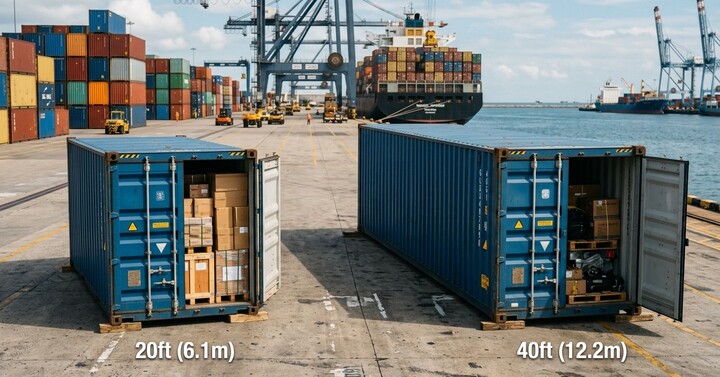
Choosing the right shipping container size is one of the most important decisions to make before purchasing. The 20ft and 40ft shipping containers are two of the most popular options, but the right choice depends on how much space you need, what you plan to store, your property layout, and your delivery access.
A 20ft container can be an excellent choice for homeowners, small businesses, and sites with limited space. A 40ft container provides roughly twice the length and can be better suited to larger inventories, equipment, and commercial applications. Conex Hub offers both 20ft and 40ft containers in new and used conditions for storage, shipping, and modifications.
If you're comparing shipping container for sale near me, this guide will help you understand the key differences between 20ft and 40ft containers and decide which size best fits your needs.
Table of Contents
- 20ft vs. 40ft Shipping Container at a Glance
- 20ft Shipping Container: Best Uses
- 40ft Shipping Container: Best Uses
- 20ft vs. 40ft: Key Differences
- Which Container Is Easier to Deliver?
- Which Container Is Better for Storage?
- 20ft vs. 40ft Cost Considerations
- Should You Choose a 40ft High Cube?
- How to Choose the Right Container Size
- FAQs
- Get the Right Shipping Container From Conex Hub
20ft vs. 40ft Shipping Container at a Glance
The simplest difference is capacity.
A 20ft container provides a compact storage and cargo solution, while a 40ft container provides approximately twice the length and substantially more storage capacity. Conex Hub describes its 40ft containers as offering double the capacity of a 20ft container.
| Feature | 20ft Container | 40ft Container |
|---|---|---|
| Overall size | More compact | Larger footprint |
| Storage capacity | Suitable for moderate storage | Roughly double the capacity |
| Space requirement | Easier to accommodate | Requires more room |
| Delivery access | Generally easier | Requires more clearance |
| Best for | Homes, small businesses, equipment | Large inventory, commercial storage |
| High cube option | Available in some configurations | Widely available |
| Modification potential | Excellent | Excellent |
The best choice isn't necessarily the largest container. Your property, budget, storage needs, and delivery access should all be considered.
20ft Shipping Container: Best Uses
A 20ft container is often called a practical "workhorse" because it offers substantial storage while maintaining a relatively compact footprint. Conex Hub describes its 20ft containers as secure, weatherproof options for storage, shipping, and modification.
A 20ft container may be ideal for:
- Household storage
- Tools and equipment
- Small-business inventory
- Construction materials
- Farm and landscaping equipment
- Seasonal items
- Workshop storage
- Job-site storage
A 20ft container can also be easier to place on properties where available space or access is limited.
If you don't need the capacity of a 40ft unit, choosing a 20ft container can help you avoid occupying unnecessary space.
40ft Shipping Container: Best Uses
A 40ft container is designed for buyers who need significantly more storage or cargo capacity.
Conex Hub offers standard and high cube 40ft containers in both new and used conditions.
A 40ft container may be a better choice for:
- Large business inventories
- Construction companies
- Manufacturing supplies
- Commercial storage
- Large equipment
- Multiple pallets of goods
- Agricultural supplies
- Long-term storage projects
If you already know that a 20ft container will be too small, choosing a 40ft container from the beginning may be more practical than purchasing a second unit later.
20ft vs. 40ft: Key Differences
1. Storage Capacity
The biggest advantage of a 40ft container is capacity.
A 40ft unit gives you substantially more room for boxes, equipment, inventory, and other belongings. This can be particularly useful for businesses that need to store a large volume of products in one secure location.
A 20ft unit, however, can be more than enough for many residential and smaller commercial applications.
2. Space Requirements
A 20ft container takes up considerably less space on your property.
This can make it easier to position beside a building, along a driveway, at a job site, or in another area with limited room.
A 40ft container requires a larger footprint and more consideration when planning the placement area.
3. Delivery Access
Delivery access is especially important when choosing a 40ft container.
Conex Hub's delivery guidance states that a 20ft unit generally requires about 60 feet of straight-line clearance for tilt-bed delivery, while a 40ft container requires approximately 100 feet of straight-line clearance for this delivery method.
You should also account for:
- Overhead wires
- Low branches
- Gates
- Narrow roads
- Tight turns
- Slopes
- Soft ground
- Available unloading space
If access is limited, a 20ft container may be the more practical option.
Which Container Is Better for Storage?
Both sizes can work well for storage, but your inventory determines which is more appropriate.
Choose a 20ft container if:
- You have moderate storage needs
- Your property has limited space
- You want easier delivery access
- You are storing household belongings
- You need a compact equipment-storage solution
Choose a 40ft container if:
- You have a large amount of inventory
- You need commercial storage
- You are storing larger quantities of equipment
- You expect your storage needs to grow
- You want to maximize storage capacity from one container
When comparing storage containers for sale, think about your current requirements as well as how much space you may need in the future.
20ft vs. 40ft Cost Considerations
A 40ft container generally costs more than a comparable 20ft container because it provides significantly more material and storage capacity. However, the exact price depends on factors such as:
- New or used condition
- Container grade
- Location
- Delivery distance
- Availability
- Modifications
- Doors and other features
- Market conditions
Because inventory and pricing can change, it's better to request a current quote rather than relying on a fixed online price.
Conex Hub's quote process allows buyers to provide the container type, condition, quantity, purchase or rental preference, delivery address, and timeline. The company states that it provides pricing and availability within one business day.
Should You Choose a 40ft High Cube?
A 40ft high cube can be worth considering when you need additional vertical space.
Conex Hub notes that 40ft high cube containers add an extra foot of interior height, making them useful for tall equipment, offices, and living conversions.
The additional height can provide more flexibility for:
- Tall equipment
- Shelving systems
- Workshop layouts
- Office conversions
- Specialized modifications
If vertical clearance matters as much as floor space, compare a standard 40ft container with a 40ft high cube before making your decision.
How to Choose the Right Container Size
Before searching for a shipping container for sale near me, work through these questions:
What are you storing?
Make a list of your largest and most frequently accessed items. This will help you estimate the space you actually need.
How much space is available?
Measure the proposed container location, including room around it for access and maintenance.
Can the delivery truck reach the site?
Don't measure only the final placement area. Consider the entire route from the road to the container location.
Will your storage needs grow?
If you expect your inventory to increase, a 40ft container may provide better long-term flexibility.
Do you need modifications?
Both sizes can be modified for specialized applications. Conex Hub offers containers for projects including storage, offices, and other custom applications.
Is a 20ft container enough?
If the answer is yes, there's little reason to choose a 40ft container simply because it provides more space. A container should fit your needs and property rather than create unnecessary costs or access challenges.
20ft or 40ft: Which One Should You Buy?
The decision ultimately comes down to your storage requirements and site conditions.
Choose a 20ft container if you want:
- A compact storage solution
- Easier delivery
- A smaller footprint
- Moderate storage capacity
- A practical option for residential properties
Choose a 40ft container if you need:
- Approximately twice the capacity of a 20ft
- More room for commercial inventory
- Large equipment storage
- Long-term expansion capacity
- A larger workspace or modification project
If you're unsure, a container supplier can help you compare available sizes based on your intended use and delivery location.
FAQs
Is a 40ft container twice the size of a 20ft container?
A 40ft container is twice the length of a 20ft container and provides roughly double the storage capacity, although the exact usable capacity depends on the specific container configuration.
Is a 20ft container better for a small property?
Often, yes. A 20ft container has a smaller footprint and can be easier to deliver and position where space is limited.
Is a 40ft container better for business storage?
It can be. Businesses with larger inventories or equipment may benefit from the additional capacity of a 40ft container.
Does a 40ft container cost more than a 20ft?
Generally, a comparable 40ft container costs more because of its larger size and capacity. However, actual pricing varies by condition, features, location, delivery, and availability.
Is a 40ft high cube better than a standard 40ft container?
A 40ft high cube provides additional interior height, which can be useful for tall equipment, shelving, offices, and conversions.
How much delivery space does a 40ft container need?
Conex Hub recommends approximately 100 feet of straight-line clearance for 40ft tilt-bed delivery. Site conditions and delivery equipment can affect the actual requirements.
Where can I find shipping containers for sale?
You can compare new and used options from suppliers such as Conex Hub. The company offers 20ft and 40ft containers and provides delivery options based on the customer's location and requirements.
Get the Right Container With Conex Hub
Choosing between a 20ft and 40ft shipping container doesn't have to be complicated. Start by calculating how much storage space you need, measure your available property, and confirm that the delivery route can accommodate your chosen container.
For moderate storage needs and tighter spaces, a 20ft container may be the better fit. For larger inventories, equipment, or commercial projects, a 40ft container can provide the additional capacity you need.
If you're comparing shipping containers for sale, searching for a shipping container for sale near me, or reviewing storage containers for sale, Conex Hub offers new and used 20ft and 40ft options for storage, shipping, and custom applications.
Contact Conex Hub with your preferred container size, condition, quantity, and delivery requirements to get current availability and a quote tailored to your project.