The Importance of Ship Operational Safety in Modern Maritime Transport
Posted by sharon jack
Filed in Business 93 views
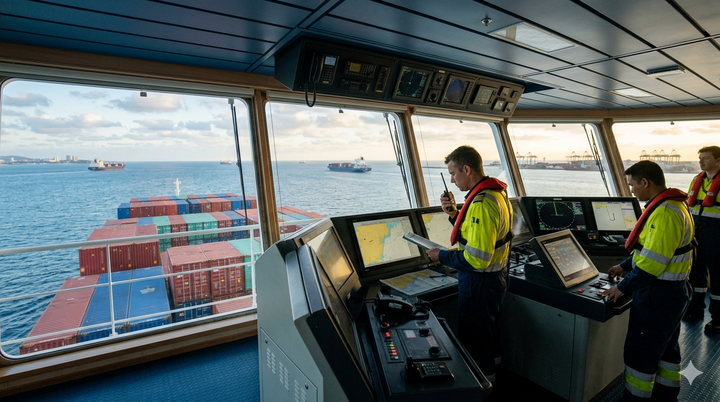
Ship operational safety is one of the most critical aspects of modern maritime transport. As global trade continues to expand, vessels are carrying larger cargo volumes across longer distances, making safety a top priority for ship owners, operators, and maritime authorities. Effective operational safety practices help prevent accidents, protect crew members, safeguard cargo, and ensure uninterrupted shipping operations. In today's highly regulated maritime industry, organizations often rely on RMS Marine Service for technical support, maintenance solutions, and operational expertise that contribute to safer and more reliable vessel performance.
The success of ship operational safety programs also depends on the quality and reliability of onboard equipment. Components such as rubber lined valves play a crucial role in maintaining safe vessel operations by ensuring efficient fluid control, corrosion resistance, and dependable performance under demanding marine conditions. When reliable equipment is supported by strong safety procedures and proactive maintenance practices, shipping companies can significantly reduce operational risks and improve overall fleet efficiency.
Understanding Ship Operational Safety
Ship operational safety refers to the procedures, systems, and practices implemented to ensure vessels operate safely throughout their voyages. It encompasses every aspect of ship management, including navigation, machinery operation, cargo handling, maintenance, and emergency preparedness.
The primary objectives of operational safety include:
- Protecting crew members and passengers
- Preventing accidents and incidents
- Safeguarding cargo and vessel assets
- Ensuring regulatory compliance
- Protecting the marine environment
- Maintaining operational efficiency
A strong focus on safety helps shipping companies achieve reliable and sustainable operations.
Why Operational Safety Matters in Maritime Transport
Modern maritime transport involves complex operations that expose vessels to numerous risks. Effective safety management helps reduce these risks while supporting business continuity.
Protecting Human Life
The safety of crew members remains the highest priority in maritime operations. Proper safety procedures help minimize workplace injuries and accidents.
Preventing Financial Losses
Accidents, equipment failures, and operational disruptions can result in costly repairs, cargo damage, and legal liabilities.
Ensuring Service Reliability
Safe operations reduce downtime and improve schedule adherence, enhancing customer satisfaction.
Supporting Global Trade
Reliable shipping operations are essential for maintaining the smooth flow of international commerce.
Common Risks in Maritime Operations
Ships encounter various challenges that can threaten operational safety.
Adverse Weather Conditions
Storms, rough seas, and poor visibility can increase navigational risks.
Equipment Failures
Mechanical breakdowns can disrupt operations and create safety hazards.
Human Error
Mistakes in navigation, maintenance, or cargo handling can lead to accidents.
Cargo-Related Hazards
Improper cargo storage or handling may affect vessel stability and safety.
Recognizing these risks is the first step toward implementing effective safety measures.
Importance of Safety Management Systems
Safety Management Systems (SMS) provide a structured framework for managing operational risks.
Establishing Clear Procedures
Standardized procedures ensure consistency across vessel operations.
Defining Responsibilities
Crew members understand their roles and responsibilities during normal and emergency situations.
Continuous Monitoring
Regular evaluations help identify potential safety concerns before they escalate.
Regulatory Compliance
An effective SMS supports compliance with international maritime regulations.
Safety management systems are essential for maintaining safe vessel operations.
Crew Training and Safety Awareness
Well-trained personnel are one of the most important elements of ship operational safety.
Safety Education Programs
Crew members should receive ongoing training on safety procedures and operational best practices.
Emergency Response Training
Regular drills help crews respond effectively during emergencies.
Technical Skills Development
Continuous learning ensures personnel remain capable of managing modern ship systems.
Hazard Recognition
Training helps crew members identify and report potential safety risks.
Investing in crew development strengthens the overall safety culture onboard.
Role of Preventive Maintenance in Operational Safety
Equipment reliability is closely linked to operational safety. Preventive maintenance helps ensure critical systems remain functional.
Routine Inspections
Regular inspections identify wear, corrosion, and mechanical issues.
Scheduled Maintenance
Planned servicing reduces the likelihood of unexpected breakdowns.
Performance Monitoring
Modern monitoring systems provide real-time insights into equipment health.
Timely Repairs
Prompt corrective actions prevent minor issues from becoming major failures.
Preventive maintenance contributes directly to safer vessel operations.
Technology and Modern Maritime Safety
Technological advancements have significantly improved operational safety in modern shipping.
Real-Time Monitoring Systems
Sensors continuously monitor vessel performance and equipment condition.
Advanced Navigation Tools
Modern navigation systems improve route planning and reduce collision risks.
Predictive Maintenance Solutions
Data analytics help identify equipment problems before failures occur.
Digital Communication Systems
Improved communication enhances coordination between ship and shore teams.
Technology enables safer and more efficient maritime operations.
Environmental Considerations in Operational Safety
Operational safety is closely connected to environmental protection.
Pollution Prevention
Safe operating practices reduce the risk of spills and environmental incidents.
Waste Management
Proper waste handling supports regulatory compliance.
Emission Control
Efficient vessel operations contribute to reduced emissions.
Sustainable Practices
Safety-focused operations often support broader sustainability goals.
Protecting the environment is a key component of responsible maritime transport.
Importance of Emergency Preparedness
Despite preventive measures, emergencies can still occur at sea.
Emergency Response Plans
Every vessel should maintain comprehensive emergency procedures.
Safety Equipment Readiness
Life-saving and firefighting equipment must remain fully operational.
Regular Drills
Routine exercises ensure crew members are prepared for unexpected situations.
Effective Communication
Clear communication channels improve emergency response effectiveness.
Preparedness helps minimize the impact of unforeseen incidents.
Importance of Reliable Marine Equipment
Operational safety depends heavily on the performance of critical ship systems and components. Even the best safety procedures cannot compensate for unreliable equipment.
High-quality components such as rubber lined valves provide excellent corrosion resistance, reliable fluid control, and long-term durability in marine environments. Their dependable performance supports critical onboard systems and helps reduce operational risks while enhancing vessel safety and efficiency.
Role of Marine Service Providers in Supporting Safety
Marine service providers contribute significantly to ship operational safety through inspections, maintenance, technical support, and compliance assistance.
Organizations such as RMS Marine Service help vessel operators maintain high safety standards by providing professional maintenance services, spare parts solutions, technical inspections, and operational support. Their expertise helps shipping companies reduce risks and improve fleet reliability.
Conclusion
Ship operational safety is essential for ensuring efficient, reliable, and sustainable maritime transport. By implementing strong safety management systems, investing in crew training, conducting preventive maintenance, and utilizing modern technologies, shipping companies can significantly reduce operational risks and improve performance. Reliable equipment such as rubber lined valves further strengthens vessel safety by ensuring dependable system operation. Combined with the technical expertise and support of RMS Marine Service, effective safety practices help create safer vessels, protect valuable assets, and support the continued growth of global maritime transportation.