Broadcom Certification Exam Guide 2026: Preparation and Career Roadmap
Posted by Jack Lim
Filed in Technology 102 views
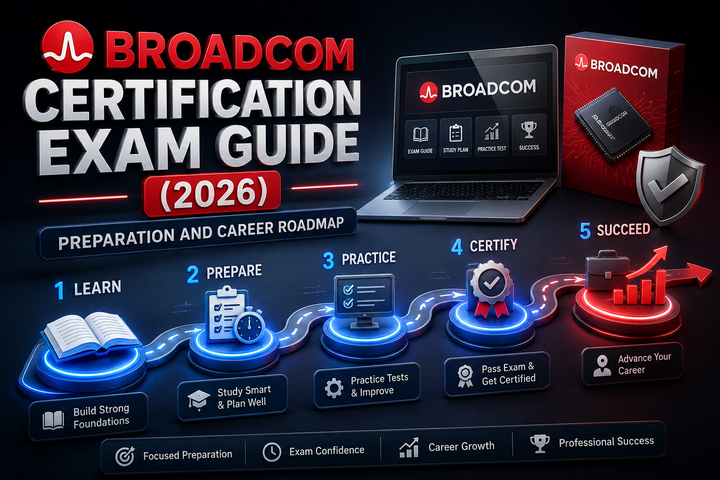
Technology professionals working with enterprise software, infrastructure management, virtualization, cybersecurity, and semiconductor-related solutions increasingly encounter Broadcom technologies in modern IT environments. Following Broadcom's acquisition of several major technology companies over the years, including VMware, the company's certification ecosystem has gained greater relevance for IT professionals seeking to validate specialized skills.
For candidates planning to pursue a Broadcom certification in 2026, understanding the available certification paths, preparation strategies, and career opportunities can help create a more effective learning plan. Whether you are an administrator, engineer, security professional, or infrastructure specialist, the right certification can strengthen your expertise and support long-term career growth.
This guide explores Broadcom certification preparation and provides a practical roadmap for professionals considering a Broadcom-focused career path.
Why Broadcom Certifications Matter
Organizations depend on enterprise technologies to manage infrastructure, secure environments, support virtualization, and optimize business operations. Certifications help validate that professionals possess the knowledge needed to deploy, manage, and troubleshoot these technologies effectively.
Broadcom certifications can help professionals:
-
Validate technical expertise
-
Improve professional credibility
-
Demonstrate platform-specific knowledge
-
Support career advancement
-
Strengthen practical skills
As enterprises continue investing in large-scale IT environments, certified professionals often gain a competitive advantage when applying for specialized technical roles.
Understanding Broadcom Certification Paths
Broadcom offers certifications across multiple technology areas inherited from its expanding software portfolio. Depending on the technology stack you work with, certification paths may focus on administration, engineering, implementation, or advanced solution design.
Common certification categories include:
| Certification Area | Primary Focus |
|---|---|
| Virtualization | Virtual infrastructure management |
| Enterprise Security | Security administration and protection |
| Network Management | Infrastructure monitoring and operations |
| Cloud Solutions | Hybrid and cloud environments |
| Infrastructure Automation | Automation and operational efficiency |
The best certification path depends on your current responsibilities and long-term career goals.
Identify Your Career Objective First
One mistake many candidates make is choosing a certification before defining their career direction.
Instead, begin by asking:
-
Do I want to specialize in infrastructure?
-
Am I interested in virtualization technologies?
-
Do I want to work in cloud environments?
-
Is cybersecurity my primary focus?
-
Do I prefer administration or engineering roles?
Your answers can help narrow the most relevant certification options and prevent unnecessary study efforts.
Build Foundational Knowledge
Before preparing for advanced certifications, ensure you have a strong understanding of the technologies supporting the certification path.
For most Broadcom-related certifications, candidates benefit from knowledge in:
-
Networking fundamentals
-
Operating systems
-
Virtualization concepts
-
Infrastructure management
-
Security principles
-
Cloud technologies
Candidates with strong foundational skills often find certification objectives easier to understand and apply.
Create a Structured Study Plan
Successful certification preparation usually follows a structured schedule rather than an unorganized approach.
Phase 1: Review Certification Objectives
Start by understanding exactly what the exam covers.
Certification objectives help identify:
-
Key domains
-
Important technologies
-
Skill requirements
-
Exam priorities
This step creates a roadmap for all future study sessions.
Phase 2: Learn Core Concepts
Focus on understanding concepts rather than memorizing definitions.
Candidates should be able to explain:
-
How technologies work
-
Why are specific configurations used
-
Common operational challenges
-
Best practices
Conceptual understanding often improves performance on scenario-based questions.
Phase 3: Gain Practical Experience
Hands-on learning remains one of the most effective preparation methods.
Practical activities may include:
-
Deploying virtual environments
-
Configuring infrastructure components
-
Testing security controls
-
Monitoring system performance
-
Troubleshooting common issues
Real-world experience helps reinforce theoretical knowledge.
Phase 4: Practice and Assessment
As exam day approaches, evaluate your readiness through practice questions and review sessions. Focus on identifying weak areas rather than simply tracking scores.
Importance of Hands-On Experience
Many enterprise technology certifications evaluate practical understanding rather than simple memorization.
Hands-on experience helps candidates:
-
Understand workflows
-
Improve troubleshooting skills
-
Reinforce technical concepts
-
Build confidence
Professionals who actively work with relevant technologies often perform better because they can connect exam questions to real-world scenarios. Practical exposure also improves long-term job performance after certification.
Skills That Employers Value
While certification validates knowledge, employers often seek broader technical capabilities.
Important skills include:
Problem Solving
Technology professionals regularly diagnose and resolve complex issues.
Documentation
Clear documentation supports operational consistency and knowledge sharing.
Communication
Technical concepts often need to be explained to both technical and non-technical stakeholders.
Automation Knowledge
Automation continues to influence modern infrastructure management and operational efficiency. Developing these skills alongside certification preparation can improve career opportunities significantly.
Career Opportunities After Certification
Broadcom-related certifications can support various professional roles depending on the technology specialization.
Potential career paths include:
-
Systems Administrator
-
Infrastructure Engineer
-
Virtualization Engineer
-
Cloud Engineer
-
Security Administrator
-
Network Operations Specialist
-
Enterprise Architect
The specific opportunities available often depend on the technologies covered by the certification and your existing professional experience. As organizations continue modernizing infrastructure and adopting hybrid environments, specialized expertise remains valuable.
Common Mistakes Candidates Should Avoid
Several preparation mistakes can slow progress and reduce exam performance.
Studying Without a Plan
Unstructured learning often leads to knowledge gaps and inefficient preparation.
Focusing Only on Memorization
Understanding concepts is usually more valuable than memorizing isolated facts.
Ignoring Practical Experience
Hands-on learning reinforces knowledge and improves confidence.
Using Outdated Materials
Technology evolves rapidly. Ensure study resources align with current certification objectives. Many candidates supplement their preparation using learning resources from Cert Empire to strengthen their understanding of certification topics and exam objectives.
Keep reading: Cybersecurity Roadmap for Career Changers
Building a Long-Term Career Roadmap
Certification should be viewed as part of a larger professional development strategy.
A practical roadmap may include:
-
Build foundational IT skills.
-
Gain experience with relevant technologies.
-
Earn a Broadcom certification.
-
Apply skills in real-world environments.
-
Pursue advanced specializations.
-
Continue developing automation, cloud, and security expertise.
This approach supports sustainable career growth rather than focusing solely on passing an exam.
Future Outlook for Certified Professionals
Enterprise technology environments continue to become more complex, creating demand for professionals capable of managing infrastructure, security, virtualization, and cloud operations.
Several trends are expected to influence future opportunities:
-
Infrastructure automation
-
Hybrid cloud adoption
-
Security modernization
-
Virtualization optimization
-
Operational efficiency initiatives
Professionals who combine certifications with practical experience will remain well-positioned for future opportunities.
Wrapping It Up
Broadcom certifications can provide valuable validation of technical skills and support career growth in enterprise technology environments. Success requires more than simply reviewing study materials. Candidates should focus on building foundational knowledge, gaining practical experience, following a structured study plan, and developing real-world problem-solving abilities. By approaching certification as part of a broader professional development roadmap, IT professionals can strengthen their expertise and prepare for long-term success in a rapidly evolving technology landscape.
FAQs
Are Broadcom certifications valuable for IT professionals?
Yes, Broadcom certifications can validate specialized skills and demonstrate expertise in enterprise technologies, infrastructure management, virtualization, security, and related technical environments used by organizations.
How should beginners prepare for a Broadcom certification exam?
Beginners should first build foundational IT knowledge, review certification objectives, gain hands-on experience, and follow a structured study plan focused on understanding concepts and practical applications.
Is hands-on experience important for Broadcom certification success?
Yes, practical experience helps candidates understand real-world scenarios, improve troubleshooting abilities, reinforce technical concepts, and build confidence before taking certification exams.
What careers can Broadcom certifications support?
Depending on the specialization, certifications can support roles such as systems administrator, infrastructure engineer, virtualization engineer, cloud engineer, security administrator, and enterprise technology specialist.
Can certifications alone guarantee career advancement?
Certifications strengthen professional credibility, but employers also value practical experience, technical skills, problem-solving abilities, and the ability to apply knowledge in real-world environments.
Read More: Create an Effective Study Plan for ISACA CISM Certification