Blogs » Arts & Culture » Guide to Custom Embroidery Patches: Everything You Need to Know
Guide to Custom Embroidery Patches: Everything You Need to Know
Posted by Henry Philip Jun 10
Filed in Arts & Culture 66 views
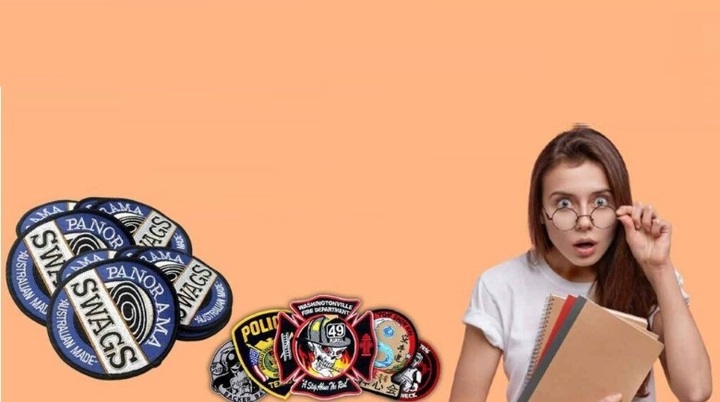
Guide to Custom Embroidery Patches
Introduction
Have you ever noticed how a simple patch can instantly make a jacket, backpack, or uniform look more professional and unique? From company branding to sports teams and personal collections, custom embroidery patches have become one of the most popular ways to showcase identity and creativity.
The best part is that embroidery patches are durable, versatile, and easy to apply to a wide range of products. Whether you're creating patches for a business, club, military unit, school, or fashion brand, understanding the process can help you achieve better results.
This Guide to Custom Embroidery Patches covers everything you need to know—from design creation to patch backing options—so you can make informed decisions and create patches that stand out.
What Are Custom Embroidery Patches?
Custom embroidery patches are fabric-based emblems created using embroidery thread to stitch a design onto a backing material. These patches can then be attached to garments, bags, hats, uniforms, and other textile products.
Unlike direct embroidery, patches are created separately and applied later. This gives users more flexibility and allows patches to be moved or replaced when needed.
Why Are Embroidery Patches So Popular?
Custom patches remain popular because they offer:
- Professional branding
- Long-lasting durability
- Easy customization
- Cost-effective production
- Versatile application options
They are commonly used by businesses, schools, sports teams, motorcycle clubs, military organizations, and fashion brands.
Types of Custom Embroidery Patches
Not all patches are created the same. Different styles serve different purposes.
Fully Embroidered Patches
These patches feature embroidery that covers most or all of the patch surface.
Benefits
- Rich texture
- Premium appearance
- High durability
- Excellent brand visibility
Fully embroidered patches are ideal for logos, badges, and uniforms.
Partial Embroidery Patches
These patches combine embroidery with visible background fabric.
Benefits
- Lower stitch count
- Cost-effective production
- Great for larger designs
Name and Uniform Patches
Often used for employee uniforms and organizational identification.
These patches typically include:
- Names
- Titles
- Departments
- Company logos
Understanding Patch Backing Options
One of the most important decisions when creating patches is selecting the right backing.
Iron-On Backing
Iron-on patches use heat-activated adhesive.
Best For
- Casual apparel
- Jackets
- Backpacks
- Personal projects
Sew-On Backing
Sew-on patches are stitched directly onto garments.
Best For
- Workwear
- Uniforms
- Long-term use
This option offers excellent durability.
Hook-and-Loop Backing
Often used when patches need to be removed or replaced.
Common Uses
- Tactical gear
- Military uniforms
- Sports equipment
Adhesive Backing
Temporary adhesive backing is useful for short-term applications and placement testing.
How Custom Embroidery Patches Are Made
Creating a patch involves several important steps.
Step 1: Design Creation
Every patch starts with artwork.
Designs may include:
- Logos
- Text
- Symbols
- Mascots
- Custom graphics
Step 2: Embroidery Digitizing
Before stitching begins, artwork must be converted into an embroidery file.
This process is called digitizing.
The embroidery file contains instructions for:
- Stitch types
- Thread colors
- Stitch directions
- Machine operations
Professional digitizing plays a major role in patch quality.
Step 3: Stitching the Patch
The embroidery machine follows the digitized file to create the design.
Quality stitching ensures:
- Sharp details
- Consistent appearance
- Clean lettering
Step 4: Cutting and Finishing
After embroidery is complete, patches are trimmed and finished with the desired border style and backing.
Choosing the Right Patch Border
Borders affect both appearance and durability.
Merrowed Border
A thick stitched edge that wraps around the patch.
Advantages
- Classic appearance
- Added durability
- Professional finish
Heat-Cut Border
Allows patches to follow custom shapes and intricate outlines.
Advantages
- Greater design flexibility
- Modern appearance
- Ideal for unique patch shapes
Design Tips for Better Embroidery Patches
A great patch starts with a great design.
Keep Text Readable
Small text can become difficult to stitch clearly.
Choose fonts that remain legible at patch size.
Limit Excessive Detail
Very fine details may not translate well into embroidery.
Simple designs often produce the best results.
Use Strong Color Contrast
Contrasting thread colors improve visibility and make the design easier to recognize.
Consider Patch Size
The size of the patch impacts how much detail can be included.
Larger patches provide more design flexibility.
Benefits of Professional Digitizing
Many people focus only on the artwork, but digitizing is equally important.
Professional embroidery digitizing helps ensure:
- Smooth stitching
- Sharp lettering
- Balanced stitch density
- Reduced thread breaks
- Better patch durability
At Digitizing Buddy, experienced digitizers create embroidery-ready files designed specifically for custom patches, helping customers achieve cleaner and more professional results.
Common Uses for Custom Embroidery Patches
Custom patches can be used in countless ways.
Popular applications include:
- Corporate branding
- Employee uniforms
- Sports teams
- School organizations
- Motorcycle clubs
- Military insignias
- Fashion apparel
- Promotional merchandise
- Event souvenirs
Their versatility makes them one of the most effective branding tools available.
How to Choose the Right Patch for Your Project
Before ordering patches, ask yourself:
- Where will the patch be used?
- Will it need to be removable?
- What level of detail does the design require?
- What backing option is most practical?
- How durable does the patch need to be?
Answering these questions will help you select the best patch style for your needs.
Conclusion
This Guide to Custom Embroidery Patches shows why embroidered patches remain one of the most versatile and effective ways to display logos, artwork, and organizational identity. From choosing the right backing and border to creating a clean design and professional digitized file, every step contributes to the final quality of the patch.
Whether you're creating patches for a business, team, club, or personal project, investing in quality design and professional digitizing can make a significant difference. With expert support from Digitizing Buddy, you can transform your ideas into durable, eye-catching patches that leave a lasting impression.
FAQs
What are custom embroidery patches used for?
Custom embroidery patches are commonly used for branding, uniforms, sports teams, clubs, military insignias, and fashion apparel.
What is the best backing for embroidery patches?
The best backing depends on the application. Sew-on backing offers maximum durability, while hook-and-loop backing provides easy removal and replacement.
Why is digitizing important for embroidery patches?
Digitizing converts artwork into stitch instructions that embroidery machines can understand, ensuring accurate and professional results.
How long do embroidered patches last?
With proper care and quality stitching, embroidered patches can last for many years without significant wear.
Can custom embroidery patches be made in any shape?
Yes. Heat-cut borders allow patches to be produced in a wide variety of custom shapes and sizes.