Barge Building Company: The Future of Modern Marine Construction
Posted by Piyush Chaurasia
Filed in Other 25 views
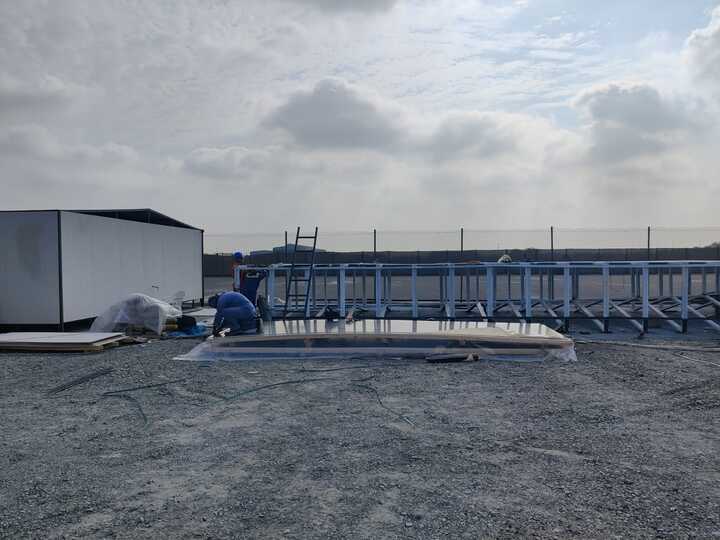
Barges are an important part of the marine industry. They are used to transport heavy cargo, construction equipment, raw materials, machinery, and other materials through rivers, ports, coastal waters, and offshore areas. As marine transportation continues to grow, the need for reliable and efficient barges is also increasing. A modern barge building company has an important role in designing and constructing vessels that can handle different types of marine operations.
Modern barge construction is very different from traditional vessel building. Today, builders focus on strength, stability, safety, efficiency, and the specific needs of the customer. A barge designed for cargo transportation may have different requirements from one used for offshore construction or heavy equipment transportation.
Why Are Barges Important?
Maritime transportation carries more than 80% of global trade by volume, according to UN Trade and Development. This shows how important water-based transportation is to the global economy. Barges support this system by moving large and heavy loads that may be difficult or expensive to transport by road.
Barges are particularly useful in ports, shipyards, offshore projects, construction sites, and inland waterways. They can carry materials over relatively short distances and can also support specialized marine activities. Their simple but flexible design makes them useful for many different industries.
In a growing maritime market, barge builders in UAE are also seeing demand for vessels designed for specific operating conditions. The UAE's location and strong connection with international shipping and offshore activities create a need for dependable marine construction solutions.
Customized Barge Design
One of the biggest trends in modern barge construction is customization. Not every project requires the same type of vessel. The size, deck layout, carrying capacity, draft, hull structure, and equipment can all be designed according to the intended purpose.
For example, a cargo barge may require maximum deck space, while a construction barge may need a reinforced deck capable of supporting cranes and heavy machinery. Offshore projects may require additional stability and specialized equipment.
Engineers consider several factors before construction begins, including cargo weight, operating location, water conditions, stability, structural strength, and loading arrangements. Proper planning at this stage can help improve vessel performance and reduce problems during operation.
Lightweight Materials and Aluminium Construction
Material selection is another important part of modern marine construction. Steel is still widely used for large barges because it provides excellent structural strength. However, aluminium is becoming an attractive option for applications where reducing vessel weight is important.
Modern aluminum barge builders can use advanced design and fabrication techniques to create lightweight structures without compromising the required strength. A lighter vessel can offer benefits such as easier handling and improved fuel efficiency, depending on its design and operating conditions.
Aluminium also has natural corrosion resistance, which can be useful in marine environments. However, proper alloy selection, welding, structural design, and maintenance are still necessary to achieve reliable long-term performance.
Advanced Manufacturing Technology
Technology has changed the way modern barges are designed and built. Computer-aided design allows engineers to create detailed digital models before physical construction starts. These models can help identify potential design issues and make modifications before fabrication.
Modern cutting and welding equipment can also improve accuracy and consistency. Better production processes help reduce material waste and allow different components to be manufactured with greater precision.
Engineering software can be used to evaluate stability, structural loads, weight distribution, and other important factors. This makes it easier to develop barges that are suitable for demanding working environments.
Sustainability in Barge Construction
Environmental concerns are becoming increasingly important across the maritime sector. The International Maritime Organization has set a goal of reaching net-zero greenhouse gas emissions from international shipping by or around 2050.
This wider shift is influencing vessel design. Future barges are likely to place greater emphasis on fuel efficiency, reduced emissions, energy-efficient machinery, and alternative propulsion technologies.
For self-propelled barges, hybrid systems, electric propulsion, and alternative fuels may become more common as technology develops. However, the most suitable solution depends on the vessel's size, operating distance, speed, cargo requirements, and working environment.
Safety and Stability
Safety remains one of the most important considerations in barge construction. Barges often carry heavy machinery and large quantities of cargo, so their structural strength and stability must be carefully considered.
Correct load distribution is particularly important. If cargo is not positioned properly, it can affect the vessel's stability and place additional stress on the structure.
Modern engineering calculations and testing help designers understand how a barge will behave under different loading and operating conditions. Safety systems, navigation equipment, communication systems, emergency arrangements, and proper access facilities can further improve overall operational safety.
Digital Monitoring and Maintenance
Digital technology is also changing how barges are maintained. Sensors and monitoring systems can collect information about machinery, fuel consumption, operating conditions, and equipment performance.
This information can help operators identify potential problems before they develop into major failures. Predictive maintenance can reduce unexpected downtime and potentially extend equipment life.
For marine operators, reliability is extremely important. A barge that is unavailable because of an unexpected mechanical or structural problem can delay construction work, cargo transportation, or offshore operations.
The Role of VU Marine
Modern marine construction requires a combination of engineering knowledge, quality materials, advanced fabrication, and practical experience. VU Marine provides marine construction and related services, including barge construction, tugboat construction, aluminium boat building, ship repair, retrofitting, maintenance, and other marine solutions.
A successful barge project begins with understanding the vessel's actual purpose. Instead of simply focusing on the size or appearance of a vessel, modern construction considers how it will be used, what it will carry, where it will operate, and what performance is expected from it.
The Future of Barge Building
The future of barge construction will likely be influenced by technology, sustainability, and operational efficiency. Growing investment in maritime infrastructure is encouraging the development of vessels that can perform specialized tasks while keeping operating costs under control.
The global shipbuilding industry is also experiencing strong activity. UN Trade and Development reported that newbuilt ship tonnage ordered in 2024 increased by more than 50% compared with 2023. This reflects continued investment in modern vessels and marine infrastructure.
For the barge sector, future developments may include improved hull designs, lightweight materials, digital monitoring, more efficient propulsion systems, and environmentally friendly technologies.
Conclusion
Barge construction is entering a more advanced stage where technology and practical engineering work together. Modern barges need to be strong and stable, but they also need to be efficient, safe, and suitable for their specific purpose.
From customized designs and aluminium construction to digital monitoring and cleaner propulsion, several developments are shaping the future of the industry. As marine transportation and offshore activities continue to expand, demand for well-designed barges is likely to remain strong.
The future is not simply about building bigger barges. It is about creating smarter, safer, more efficient, and more sustainable vessels that can meet the changing requirements of modern marine operations.