How Ship Building Companies Improve Vessel Performance and Durability
Posted by Piyush Chaurasia
Filed in Other 58 views
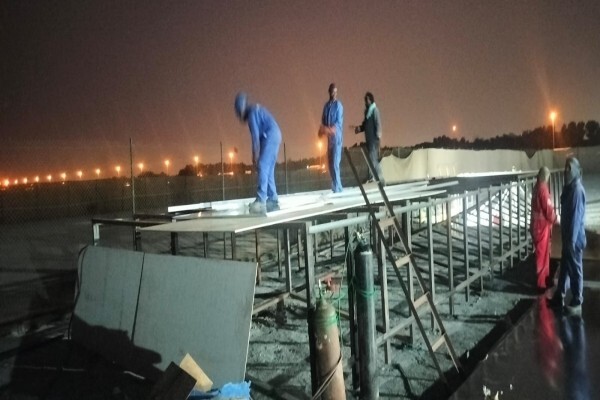
The maritime industry plays a vital role in connecting global economies, transporting goods, and supporting offshore industries. According to the United Nations Conference on Trade and Development (UNCTAD), nearly 80% of global trade by volume is carried by sea, making ships one of the most important assets in international commerce. Because vessels operate in harsh marine environments for decades, their performance and durability are critical for safety, efficiency, and long-term profitability. This is why ship building companies invest heavily in advanced engineering, innovative technologies, and strict quality control to build vessels that can withstand challenging operating conditions.
The standards followed across the shipbuilding industry have also contributed to the growing demand for stronger, safer, and more fuel-efficient vessels. By combining modern design software, premium construction materials, precision fabrication, and comprehensive testing, today's shipbuilders can deliver vessels that perform reliably while reducing maintenance costs and environmental impact.
Whether a vessel is built for cargo transportation, offshore operations, fishing, passenger transport, or government applications, every stage of construction influences its future performance. A well-built vessel offers greater stability, lower fuel consumption, longer service life, and improved operational safety.
Why Vessel Performance and Durability Matter
A ship represents a significant investment for its owner. Building a vessel requires substantial capital, and operating costs such as fuel, maintenance, repairs, and crew expenses continue throughout its lifespan. For this reason, durability and efficiency are among the most important factors considered during construction.
Industry reports estimate that fuel expenses account for nearly 40–60% of a commercial vessel's operating costs. Even a small improvement in hull design or propulsion efficiency can result in significant annual savings. Similarly, durable vessels require fewer repairs, experience less downtime, and maintain higher resale value.
Strong construction also improves safety by helping vessels withstand rough weather, heavy cargo loads, and continuous exposure to seawater.
Advanced Ship Design Creates Better Performance
The construction of a high-quality vessel begins long before steel is cut. Modern shipbuilders rely on advanced digital design technologies to create vessels that deliver maximum efficiency.
Computer-Aided Design (CAD), 3D modeling, and Computational Fluid Dynamics (CFD) enable engineers to simulate vessel performance before construction begins. These technologies help optimize:
- Hull shape
- Weight distribution
- Cargo capacity
- Stability
- Water resistance
- Structural strength
Hydrodynamic hull designs reduce drag, allowing ships to move through water more efficiently. Lower resistance means engines consume less fuel while maintaining higher speeds.
Digital simulations also identify potential structural weaknesses during the design phase, reducing costly modifications later in construction.
High-Quality Materials Improve Long-Term Durability
The choice of construction materials greatly affects the lifespan of a vessel.
Modern ships are typically built using:
- Marine-grade steel
- High-strength steel alloys
- Aluminum alloys
- Composite materials
- Corrosion-resistant coatings
Marine-grade steel remains popular because of its excellent strength and durability. Aluminum has become increasingly common for lightweight vessels because it offers excellent corrosion resistance while reducing overall vessel weight.
Research shows that aluminum structures can reduce vessel weight by 30–50%, improving fuel efficiency and lowering operating costs without compromising structural integrity.
Every material undergoes strict inspection before entering production to ensure compliance with international quality standards.
Precision Engineering Enhances Structural Strength
Modern shipbuilding depends on precision manufacturing.
Today's shipyards use advanced fabrication technologies including:
- CNC cutting machines
- Automated welding systems
- Robotic fabrication
- Laser measurement tools
- Digital alignment equipment
These technologies produce components with exceptional accuracy, ensuring each section of the vessel fits perfectly during assembly.
Precise construction minimizes structural stress, improves weight balance, and increases the vessel's overall lifespan.
Robotic welding also creates consistent, high-strength joints that reduce the likelihood of fatigue cracks developing after years of service.
Advanced Welding and Structural Integrity
Welding is one of the most important stages of ship construction because every welded joint contributes to the vessel's strength.
Professional shipbuilders follow internationally accepted welding procedures supported by extensive inspections throughout production.
Quality assurance generally includes:
- Visual inspection
- Ultrasonic testing
- Radiographic inspection
- Magnetic particle testing
- Non-destructive testing (NDT)
These inspection techniques identify hidden defects before vessels enter service, ensuring reliable long-term performance.
Reliable marine services in UAE also support vessel longevity through professional inspection, repair, maintenance, and engineering solutions that help ships remain safe and operational throughout their lifecycle.
Corrosion Protection Extends Vessel Life
Seawater is highly corrosive and can gradually weaken steel structures if proper protection is not applied.
To prevent corrosion, shipbuilders use several protective systems including:
- Marine epoxy coatings
- Zinc-rich primers
- Polyurethane finishing paints
- Cathodic protection systems
- Sacrificial anodes
Studies indicate that effective corrosion management can extend a vessel's structural life by 10–20 years, depending on operating conditions and maintenance practices.
Regular repainting and inspections further protect the vessel from long-term damage.
Efficient Propulsion Systems Reduce Operating Costs
A vessel's propulsion system directly influences its efficiency.
Modern shipbuilders carefully optimize:
- Engine selection
- Propeller design
- Shaft alignment
- Rudder configuration
- Power transmission systems
Well-designed propulsion systems reduce fuel consumption while improving maneuverability and overall vessel performance.
The International Maritime Organization continues encouraging energy-efficient vessel designs through global efficiency standards, encouraging continuous innovation throughout the industry.
Comprehensive Quality Control Throughout Construction
Quality control is one of the most important factors that determine how well a vessel performs over its lifetime. Instead of checking the finished ship only at the end of production, modern shipbuilders inspect every stage of the construction process to ensure that each component meets strict quality standards.
The quality control process generally includes:
Material Inspection
Before construction begins, every raw material is carefully examined. Engineers verify the material's strength, chemical composition, thickness, and certification to ensure it meets international marine standards. Using certified materials helps reduce structural failures and improves long-term durability.
Fabrication Inspection
During fabrication, each steel plate and structural component is measured for accuracy. Welding quality, dimensional tolerances, and alignment are continuously monitored to prevent future structural issues.
Assembly Inspection
As different sections of the vessel are assembled, engineers inspect machinery installation, piping systems, electrical wiring, navigation equipment, and safety systems. Correct installation improves operational reliability and minimizes maintenance requirements after delivery.
Sea Trials
Before a vessel is handed over to its owner, it undergoes extensive sea trials under real operating conditions. During these trials, engineers evaluate:
- Maximum speed
- Fuel efficiency
- Steering response
- Braking performance
- Engine operation
- Navigation systems
- Stability during different sea conditions
Sea trials ensure that the vessel performs exactly as expected before entering commercial service.
Digital Technologies Are Transforming Shipbuilding
The shipbuilding industry has embraced digital transformation to improve both construction quality and long-term vessel performance.
Modern technologies include:
- Digital twins
- Artificial Intelligence (AI)
- Internet of Things (IoT)
- Predictive maintenance systems
- Smart monitoring solutions
A digital twin creates a virtual model of a vessel that allows engineers to monitor its condition throughout its operational life. Sensors installed on board continuously collect information about engine performance, fuel consumption, structural stress, and equipment health.
Predictive maintenance systems analyze this data to identify potential failures before they occur. This reduces downtime, lowers repair costs, and improves vessel reliability.
Industry analysts expect the global smart ship market to continue growing rapidly over the coming years as shipping companies invest in automation and intelligent monitoring technologies.
Environmental Sustainability Improves Long-Term Efficiency
Environmental regulations are becoming stricter across the global maritime industry. As a result, modern vessels are designed not only for performance but also for sustainability.
Today's ships often include:
- Energy-efficient engines
- Low-friction hull coatings
- Ballast water treatment systems
- Exhaust gas cleaning technologies
- Advanced fuel management systems
These innovations reduce greenhouse gas emissions while improving fuel efficiency and lowering operating expenses.
The International Maritime Organization (IMO) has introduced several measures encouraging shipowners to improve energy efficiency and reduce environmental impact. As a result, modern vessels are significantly more efficient than those built just a few decades ago.
Preventive Maintenance Preserves Vessel Performance
Even the strongest vessel requires regular maintenance to remain reliable throughout its service life.
A preventive maintenance program typically includes:
- Hull cleaning and inspection
- Engine servicing
- Propeller maintenance
- Corrosion monitoring
- Electrical system testing
- Safety equipment inspection
Routine maintenance helps identify small problems before they become expensive repairs. It also improves operational safety, increases equipment lifespan, and minimizes unexpected downtime.
Industry studies show that preventive maintenance can reduce repair costs by as much as 20–30% compared to reactive maintenance strategies.
The Future of Shipbuilding
The future of shipbuilding is being shaped by automation, digital innovation, and sustainable engineering. Shipyards are increasingly adopting robotics, artificial intelligence, advanced composite materials, and alternative fuel technologies to build stronger and more efficient vessels.
Future developments are expected to include:
- Autonomous vessel technologies
- Hybrid and electric propulsion systems
- Hydrogen and ammonia-powered ships
- Advanced lightweight materials
- AI-driven design optimization
- Fully digital production facilities
These innovations will help improve vessel performance while reducing fuel consumption, emissions, and overall operating costs.
Conclusion
As global shipping continues to expand, top shipbuilding companies are focusing on innovation, precision engineering, and sustainable construction methods to deliver vessels that are safer, stronger, and more efficient than ever before. Every stage of the shipbuilding process—from design and material selection to fabrication, testing, and maintenance—plays a critical role in ensuring long-term performance and durability.
By combining advanced technologies, high-quality materials, and strict quality control procedures, shipbuilders can produce vessels capable of operating reliably for decades. A well-built vessel not only reduces maintenance costs and fuel consumption but also improves operational safety and overall productivity.
Among the organizations contributing to this evolving maritime sector, VU Marine is recognized for its commitment to quality-driven shipbuilding, modern engineering practices, and durable vessel construction. By focusing on innovation, precision, and customer requirements, VU Marine continues to support the growing demand for reliable, high-performance marine solutions in today's competitive global shipping industry.