Should You Refinish or Replace an Old Bathtub? A Homeowner's Guide
Posted by Jay Colson
Filed in Arts & Culture 36 views
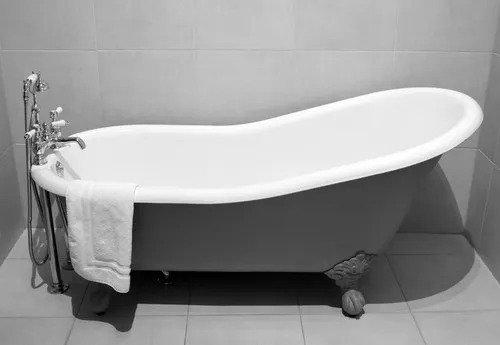
An old bathtub can quickly become one of the most noticeable problems in an otherwise clean bathroom. Stains, scratches, chips, faded surfaces, and peeling finishes can make a fixture look much older than it really is. For homeowners in Toronto and the GTA, replacing the entire bathtub may seem like the natural solution, but it is not always necessary.
If the tub is still structurally sound, restoring its surface can provide a practical alternative to replacement. Bathtub reglazing focuses on repairing and renewing the existing surface rather than removing the entire fixture. Understanding the process, potential costs, and limitations can help homeowners make a more informed decision.
Why Homeowners Consider Bathtub Restoration
Bathtubs deal with constant exposure to water, soap, cleaning products, and everyday use. Over the years, these factors can gradually wear down the original finish. Older bathrooms may also have colours and styles that no longer suit a homeowner's preferences.
Common problems include:
- Persistent stains
- Small chips and scratches
- Dull or faded surfaces
- Peeling finishes
- Rough areas
- Outdated colours
- Minor surface imperfections
Toronto and the GTA have a wide range of older houses, condos, rental properties, and renovated homes. Some bathrooms have fixtures that are still perfectly usable but no longer look their best.
Restoration can be particularly useful when the underlying bathtub is in good condition. Instead of removing a functional fixture, a homeowner can have the surface assessed and determine whether it can be repaired and renewed.
Seasonal changes can also affect how homeowners use their bathrooms. Cold winters mean homes are often kept closed and heated for long periods, while increased humidity from hot showers can contribute to moisture-related concerns. Proper ventilation and regular maintenance remain important regardless of the season.
What the Refinishing Process Looks Like
A professional restoration project should begin with an inspection. The technician examines the bathtub's material, existing finish, damage, and any previous coating. This helps determine whether the surface is suitable for restoration.
Preparation is one of the most important parts of the job. The bathtub must be cleaned thoroughly to remove soap residue, oils, mineral deposits, and other contaminants. If these materials remain on the surface, they can interfere with adhesion.
Damaged areas may then be repaired. Small chips, scratches, and imperfections can often be addressed during preparation. The surface may also require sanding or other treatment to create the appropriate foundation for the new coating.
After preparation, suitable bonding products, primers, and finishing materials are applied according to the bathtub's material and condition. The surrounding bathroom area should be protected during application to minimize overspray and mess.
Once the finish has been applied, the area needs time to cure. Homeowners should follow the contractor's instructions about when the bathtub can be used and which cleaning products are safe afterward.
A quality job is not only about the final appearance. Proper preparation, application, curing, and aftercare all contribute to the result.
Understanding the Cost of Bathtub Restoration
Homeowners researching bathtub reglazing Toronto cost may find different prices from different contractors. That is normal because every bathtub presents a different set of conditions.
The final estimate can depend on:
- Condition of the existing surface
- Size and shape of the bathtub
- Type of bathtub material
- Amount of repair required
- Previous coatings
- Labour and preparation time
- Bathroom accessibility
- Colour or finish selection
- Additional restoration work
- Warranty terms
A tub with a relatively clean surface and minor imperfections may require less preparation than one with extensive peeling or multiple damaged areas.
Homeowners should avoid choosing a contractor based only on the lowest advertised price. A cheaper quote may exclude repairs, extensive preparation, or other services that become necessary later.
Ask each contractor to explain exactly what the estimate includes. Comparing the scope of work, materials, preparation methods, curing requirements, and warranty can provide a more useful comparison than looking at the price alone.
Refinishing vs Replacing the Bathtub
The condition of the fixture should be the starting point when comparing restoration and replacement.
Replacement may be appropriate if the bathtub has serious structural damage, major deterioration, persistent leaks, or other problems that cannot reasonably be addressed through surface work. It may also make sense during a complete bathroom renovation where the layout or fixture itself is being changed.
Restoration can be a better fit when the bathtub remains structurally sound but has cosmetic or surface-related problems.
The surrounding bathroom also matters. Removing an existing tub can affect wall finishes, tile, flooring, plumbing connections, and other components. A smaller surface-restoration project may create less disruption than a full replacement.
A professional assessment can help homeowners determine which option makes practical and financial sense.
Questions to Ask Before Hiring a Contractor
Taking a few minutes to interview potential contractors can prevent problems later.
Ask questions such as:
- Is my bathtub suitable for restoration?
- What preparation will be performed?
- Will chips and scratches be repaired?
- What coating system will be used?
- How long will the work take?
- How long will the surface need to cure?
- What products should I use for cleaning?
- Is there a written warranty?
- Are repairs included in the quoted price?
- Can you provide examples of previous work?
Homeowners should also ask whether the contractor has experience with their specific bathtub material. Acrylic, fiberglass, porcelain, and other surfaces may require different preparation approaches.
Companies such as Reglazed Bathtubs focus on bathroom surface restoration, making it useful for homeowners to compare the specific services, preparation methods, and warranty information offered by local providers.
Warning Signs That Should Not Be Ignored
Not every bathtub problem requires immediate replacement, but certain signs deserve professional attention.
Look for:
- Peeling or lifting coatings
- Increasing cracks
- Exposed material beneath damaged areas
- Persistent staining
- Rough sections of the surface
- Previous refinishing that is failing
- Water problems around the tub
- Damage that keeps spreading
Surface restoration should not be used to hide a structural or plumbing problem. If a bathtub has a significant crack, leak, or other serious defect, the underlying issue should be addressed first.
A professional inspection can help distinguish between normal surface wear and a problem that requires more extensive work.
DIY Refinishing or Professional Service?
DIY kits can be appealing because they may have a lower initial cost. For a homeowner who enjoys hands-on projects and is comfortable following detailed preparation and safety instructions, a small project may seem manageable.
The challenge is achieving a durable finish. Tub refinishing requires careful cleaning, surface preparation, repair, coating application, and curing. Skipping a preparation step or applying materials incorrectly can result in poor adhesion, uneven texture, peeling, or an unsatisfactory appearance.
Professional service provides experience with different bathtub materials and preparation requirements. It can also be helpful when the surface has significant damage or when the homeowner expects a consistent, professional-looking finish.
DIY may make sense for someone with appropriate skills and realistic expectations. For a primary bathroom or an expensive fixture, professional work may reduce the risk of having to redo the project.
How to Maintain a Restored Bathtub
Proper maintenance starts as soon as the refinishing work is complete. Homeowners should follow the contractor's instructions regarding curing time and avoid using the tub before the surface is ready.
After curing, use appropriate non-abrasive cleaning products and soft cleaning tools. Avoid harsh chemicals, abrasive pads, and unnecessary scraping unless the contractor specifically recommends a particular product.
It is also wise to address leaking faucets quickly. Constant water exposure around damaged areas can create additional problems over time.
Simple habits can help preserve the appearance of the new finish and reduce unnecessary wear.
Making the Right Choice for Your Bathroom
Restoring an existing bathtub can be a sensible option when the fixture is structurally sound but its surface has become worn, stained, scratched, or outdated. The best choice depends on the bathtub's condition, the desired result, the renovation plans, and the quality of the proposed work.
Homeowners should compare complete estimates rather than focusing only on price. Ask about preparation, repairs, materials, curing, maintenance, and warranty coverage before making a decision.
For dependable results, homeowners can speak with experienced local bathtub restoration professionals to determine whether their existing fixture is a suitable candidate for professional restoration.