Essential Tips for a Well-Organized Residential Move
Posted by Matt Grayson
Filed in Other 34 views
Begin With a Practical Plan
A residential relocation becomes easier when you prepare each stage ahead of time. Select your moving date and create a schedule for sorting, packing, cleaning, transportation, and unpacking. A practical timeline gives you enough time to handle unexpected tasks without rushing.
Review Everything You Own
Walk through every room and review your household belongings before packing. Consider furniture, clothing, kitchenware, electronics, decorations, and storage items. Separate useful possessions from things you no longer need. Reducing unnecessary belongings can simplify packing and make the move more efficient.
Pack Room by Room
Organize your packing process one room at a time. Start with items you rarely use and keep everyday necessities available until closer to moving day. Keeping belongings from each room together can make labeling, loading, unloading, and unpacking much easier.
Select Strong Packing Materials
Use sturdy boxes that can support the weight of their contents. Avoid placing too many heavy items in one container because it can become difficult to carry. Use suitable wrapping and cushioning to protect belongings and secure each box before it is moved.
Protect Fragile Possessions
Delicate belongings need additional care throughout a relocation. Wrap glassware, mirrors, artwork, electronics, and other fragile items individually. Add enough cushioning to limit movement inside the box and clearly identify containers that require careful handling.
Label Boxes Properly
Write the destination room and general contents on every box. Clear labels can make unloading faster because belongings can be placed directly where they belong. They also make it easier to find important items without opening multiple containers.
Arrange Professional Assistance
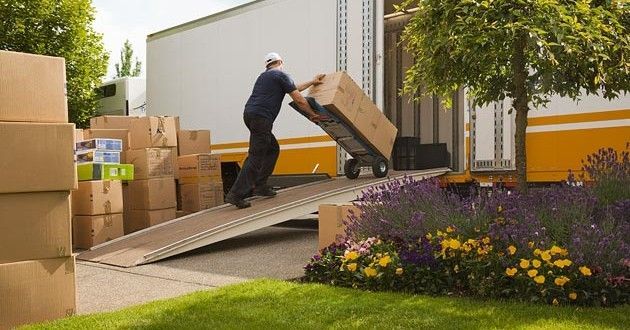
Residential Moving Services in Fort Worth TX can help homeowners manage the physical work involved in relocating household belongings. Professional assistance may include lifting, carrying, loading, transportation, unloading, and careful handling of furniture and boxes. This support can be valuable when the household has many or heavy possessions.
Prepare Large Furniture
Large furniture may require partial disassembly before transportation. Remove detachable parts when appropriate and place screws, bolts, brackets, and other hardware in labeled bags. Cover finished surfaces and protect corners, drawers, and glass sections to reduce possible damage.
Keep Essentials Accessible
Prepare a separate bag containing clothing, toiletries, medications, chargers, important documents, and other immediate necessities. Keeping these items accessible can make the first day at your new home easier because you will not need to search through packed boxes.
Clear Moving Routes
Remove obstacles from hallways, stairways, entrances, doorways, and driveways before moving begins. Clear routes give more space for carrying large belongings and can reduce the risk of trips, collisions, and accidental damage to the property.
Protect Floors and Walls
Furniture and boxes can increase activity around floors, walls, door frames, corners, and stairs. Use suitable protective materials where necessary. Take extra care when carrying large belongings through narrow spaces or around tight turns.
Prepare the New Home
Make sure the destination property is ready before your belongings arrive. Clear access points and decide where large furniture should be placed. Having a basic room arrangement can make unloading more efficient and prevent unnecessary movement of heavy items.
Handle Appliances Carefully
Large appliances may need preparation before transportation. Protect doors, cords, hoses, handles, and exterior surfaces. Follow the manufacturer's recommendations for preparing appliances. Proper preparation can help make handling safer and reduce avoidable damage.
Keep Important Documents Secure
Identification, financial records, property documents, warranties, and other important paperwork should remain accessible during the move. Keep these documents separate from ordinary household boxes so you can reach them whenever necessary.
Work With Experienced Professionals
Moving Services can support different stages of a residential relocation based on your specific needs. When choosing professional assistance, consider experience, communication, equipment, handling practices, pricing details, and the requirements of your move. Clear communication can help keep the process organized.
Inspect Belongings After Delivery
Check furniture, appliances, boxes, and fragile possessions as they are unloaded. Look for scratches, dents, cracks, or other visible concerns. Compare your belongings with your inventory if you created one, and document any missing or damaged items promptly.
Unpack Essential Rooms First
Begin with bedrooms, bathrooms, and basic kitchen supplies after arriving. Setting up these areas first provides immediate comfort and functionality. Once the essentials are ready, continue unpacking decorations, seasonal belongings, and less frequently used items.
Organize One Room at a Time
Avoid trying to unpack the entire property simultaneously. Complete one room or area before moving to another. Place belongings in their intended locations and keep empty boxes together. This method can reduce clutter and make the process easier to control.
Check the Previous Property
Before leaving your old home, inspect closets, cabinets, garages, storage areas, outdoor spaces, and other locations where belongings might remain. Check the transportation vehicle as well to make sure nothing important has been forgotten.
Make the Transition Comfortable
A residential relocation requires thoughtful preparation, careful packing, and organized handling. By sorting belongings early, protecting delicate possessions, preparing both properties, and arranging professional assistance when needed, homeowners can make moving day more manageable and settle into their new home with greater comfort.