Choosing a Motorcycle Helmet: ECE 22.06, DOT Certification and Riding Styles
Posted by Daniel Smart MFG
Filed in Other 34 views
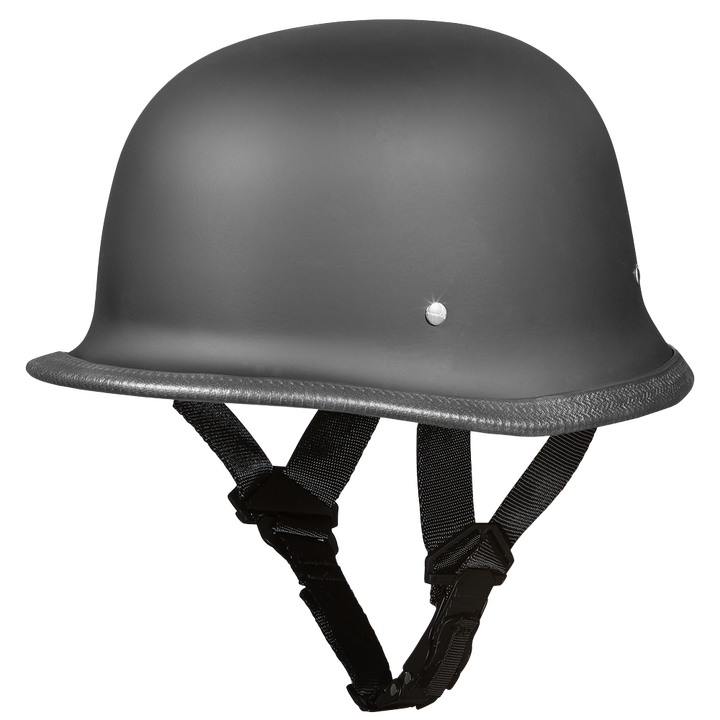
Selecting a motorcycle helmet is both a safety decision and a practical purchasing decision. Riders need to consider certification, coverage, fit, comfort, visibility, ventilation, riding environment, and the type of motorcycle being used.
The market includes full-face, modular, open-face, 3/4, and half helmets, with different designs aimed at different riding preferences. Certification is particularly important because a helmet's appearance does not indicate whether it meets the safety requirements applicable to a particular market.
For buyers comparing ECE-certified and DOT-certified helmets, understanding the standards and evaluating individual helmet features can make the shopping process more straightforward.
What Should Riders Look for When Buying a Motorcycle Helmet?
A motorcycle helmet should not be selected solely because it matches a motorcycle or has an attractive design. Several characteristics should be evaluated before purchasing.
The most important considerations include:
-
Applicable safety certification
-
Helmet coverage
-
Correct size and head shape
-
Retention system
-
Shell construction
-
Impact-absorbing liner
-
Visor and field of vision
-
Ventilation
-
Weight
-
Interior comfort
-
Riding environment
-
Availability of replacement components
Certification provides an important starting point, while fit and coverage help determine whether the particular helmet is appropriate for the rider.
This is especially relevant when comparing helmets online, where photographs can make very different helmet designs appear similar.
ECE 22.06: What Buyers Need to Know
The ece 22.06 motorcycle helmet standard is the newer European regulation for motorcycle helmet approval, replacing the earlier ECE 22.05 standard for newer approvals.
ECE 22.06 introduced updated testing procedures designed to evaluate helmet performance across a wider range of conditions. As a result, riders shopping for modern ECE-approved equipment may specifically encounter helmets carrying an ECE 22.06 approval marking.
For consumers, the important distinction is between a helmet that simply uses ECE-related marketing language and one that actually carries the appropriate certification marking.
Anyone searching for a motorcycle helmet ece 22.06 should check the manufacturer's specifications, certification information, and labeling before purchasing.
Is an ECE-Rated Helmet a Good Choice?
An ece rated helmet can be an attractive option for riders who require or prefer ECE certification. However, certification should not be treated as the only measure of a helmet's suitability.
The appropriate helmet depends on the rider's needs. A commuter may want a lightweight design with good ventilation, while a touring rider may prioritize long-distance comfort, visor performance, weather protection, and reduced wind exposure.
Similarly, a cruiser rider may prefer an open or traditional helmet design, while a sport-oriented rider may want greater facial and chin coverage.
Therefore, the best motorcycle helmet ece certified for one rider may not be the right choice for another.
DOT vs. ECE: Which Certification Should Buyers Choose?
Motorcycle helmet shoppers may encounter both DOT and ECE markings, particularly when comparing products from different markets.
DOT certification is associated with motorcycle helmets intended for the United States, while ECE certification is widely used throughout Europe and other international markets.
Buyers searching for dot and ece approved helmets should understand that DOT and ECE are separate certification systems. A helmet should not be assumed to have both certifications simply because it is marketed internationally.
Before ordering a helmet, buyers should identify the certification required or recognized in their location and verify the specific model's documentation.
Why Helmet Coverage Matters When Shopping
Certification and coverage are two different considerations.
A full-face helmet generally provides coverage around the entire head and includes a chin-bar and face shield. Modular helmets provide a similar configuration with a movable chin-bar system.
Open-face and 3/4 helmets leave more of the face exposed, while half helmets provide considerably less overall coverage.
This makes helmet type an important purchasing decision. A rider interested in a traditional cruiser appearance may prefer a half or open-face design, while another rider may prioritize maximum practical coverage.
The appropriate choice depends on the rider's priorities, local requirements, riding conditions, and personal preferences.
Half Helmets for Cruiser Riders
Half helmets remain popular within traditional cruiser and custom motorcycle communities. Their minimal design offers airflow and a distinctive appearance that many riders associate with classic American motorcycle culture.
However, reduced coverage is an important consideration.
For riders researching DOT Approved Daytona Half Helmets, the individual model should be checked for its certification and specifications rather than assuming that every half helmet has identical characteristics.
A buyer should also consider:
-
Head fit
-
Retention system
-
Shell construction
-
Interior padding
-
Certification
-
Available sizes
-
Riding environment
-
Local helmet requirements
The result is a more informed purchase than selecting a helmet based only on its traditional appearance.
Daytona Helmets for Cruiser Riders: What to Consider
Cruiser riders often look for helmets that complement the motorcycle's styling without sacrificing everyday comfort.
Daytona Helmets for Cruiser Riders may appeal to buyers interested in traditional helmet profiles and cruiser-oriented styling. When comparing options, however, riders should evaluate the actual specifications of each model.
For short recreational rides, airflow and lightweight construction may be particularly attractive. Riders who regularly travel on highways may instead place greater importance on stability, coverage, visor performance, and wind management.
The best choice depends on how the motorcycle is actually used.
Daytona Helmets for Harley Riders
Harley-Davidson motorcycles are strongly associated with cruiser and touring culture, creating demand for helmet styles that complement traditional American motorcycle designs.
Riders researching Daytona Helmets for Harley Riders may encounter half, open-face, and other helmet configurations. The visual relationship between helmet and motorcycle can be an important styling consideration, but safety and fit should remain the primary purchasing criteria.
A suitable helmet should fit securely, remain stable during normal head movement, and provide the level of coverage the rider expects.
Buyers should also verify the certification applicable to their location before completing a purchase.
Choosing Daytona Helmets for Touring Motorcycles
Touring riders generally have different priorities from riders who only travel short distances.
Spending several hours on a motorcycle can make helmet weight, interior padding, ventilation, visor clarity, and wind exposure increasingly noticeable.
For shoppers comparing Daytona Helmets for Touring Motorcycles, useful questions include:
-
Is the helmet comfortable for several hours?
-
Does the helmet remain stable at highway speeds?
-
Is the field of vision suitable for long-distance riding?
-
Does it provide sufficient ventilation?
-
Is the visor practical in changing weather?
-
Does the helmet offer the desired level of coverage?
-
Is the retention system easy to operate correctly?
These factors can have a greater effect on the overall riding experience than styling alone.
Are Sun Visors Worth Considering?
Integrated sun shields have become a popular convenience feature on many modern motorcycle helmets.
Daytona Helmets with Sun Visor systems can be useful for riders who frequently transition between bright sunlight and shaded conditions.
A built-in sun visor can make it easier to manage changing light without carrying a separate pair of riding glasses. However, the mechanism should be evaluated for ease of operation, visibility, and compatibility with the primary face shield.
Riders should also consider whether the helmet provides sufficient ventilation and whether the visor system fits their normal riding environment.
How to Choose the Right Helmet by Riding Style
Different motorcycle riders can have significantly different helmet requirements.
Cruiser Riders
Cruiser riders often prioritize traditional styling, airflow, comfort, and compatibility with relaxed riding positions. Half and open-face designs can be popular in this category, although they provide less coverage than full-face alternatives.
Harley Riders
Harley riders may look for traditional American motorcycle styling combined with comfortable fit and appropriate certification. Helmet choice should depend on the actual riding environment rather than motorcycle branding alone.
Touring Riders
Touring riders generally need to think more carefully about long-duration comfort, wind exposure, ventilation, weather conditions, visor performance, and helmet weight.
Daily Commuters
Commuters may prioritize convenience, visibility, ventilation, easy fastening, and a helmet that remains comfortable during frequent use.
Highway Riders
Highway riders may benefit from considering helmet stability, coverage, visor performance, wind management, and overall fit.
This approach helps buyers select a helmet based on actual use rather than simply choosing the most popular style.
How Much Should Helmet Fit Influence a Purchase?
Fit should be one of the first considerations when comparing motorcycle helmets.
A helmet should feel snug without creating painful pressure points. It should not move excessively when the rider turns or moves the head.
Helmet sizing can vary between manufacturers, meaning that a rider who normally wears a particular size in one brand may require a different size in another.
Before purchasing, buyers should:
-
Measure their head according to the manufacturer's instructions.
-
Compare the measurement with the manufacturer's size chart.
-
Consider head shape where information is available.
-
Check whether the helmet creates pressure points.
-
Ensure the retention system can be adjusted correctly.
A properly fitted helmet is more practical than choosing a poorly fitting model simply because it has desirable styling.
Helmet Materials and Construction
Motorcycle helmets can use different shell and liner materials, including thermoplastic compounds, fiberglass composites, carbon-fiber composites, and other engineered materials.
The outer shell and energy-absorbing liner work together as part of the helmet's overall construction. The retention system also plays an important role in maintaining helmet position.
Buyers should avoid judging helmet quality solely by shell appearance or weight. Manufacturer specifications and applicable certification information provide more useful information.
For online shoppers, technical specifications are particularly valuable because they allow different helmet models to be evaluated using consistent criteria.
Visors, Ventilation and Everyday Comfort
A helmet can meet a certification requirement while still being unsuitable for a particular rider's daily needs.
Visor clarity, ventilation, interior padding, weight, and ease of use can have a significant effect on riding comfort.
Riders who regularly travel in warm climates may prioritize ventilation. Those who ride in changing weather may look for practical visor systems and removable or washable interior components.
Touring riders may place greater emphasis on long-term comfort, while urban commuters may value easy operation and visibility.
These features do not replace certification, but they can help determine which certified helmet best fits an individual's riding routine.
What to Check Before Ordering a Helmet Online
Buying a motorcycle helmet online can provide access to a wider range of products, but buyers should carefully review the product information.
Before placing an order, check:
-
Certification marking
-
Helmet type
-
Size chart
-
Head-shape information
-
Coverage level
-
Shell material
-
Liner construction
-
Retention system
-
Visor configuration
-
Sun-shield availability
-
Ventilation
-
Replacement parts
-
Manufacturer instructions
-
Return or exchange policy
Product photographs can help with styling decisions, but technical specifications should carry greater weight when evaluating safety equipment.
Common Motorcycle Helmet Buying Mistakes
Several purchasing mistakes can make it harder to find an appropriate helmet.
One of the most common is selecting a helmet entirely because of its appearance. Another is assuming that all helmets in the same category provide identical coverage.
Other mistakes include:
-
Ignoring certification requirements
-
Buying the wrong size
-
Failing to check the manufacturer's size chart
-
Choosing minimal coverage without understanding the trade-offs
-
Assuming DOT and ECE are interchangeable
-
Prioritizing price over fit
-
Ignoring replacement visor availability
-
Selecting a helmet without considering riding duration
-
Failing to inspect certification information
A more complete evaluation considers safety requirements, fit, coverage, comfort, and riding conditions together.
Where Certification Fits Into the Buying Decision
Certification should generally be considered early in the purchasing process.
First, buyers should determine which certification is relevant to their riding location. Next, they can narrow the selection according to helmet type and coverage.
After that, practical features such as:
-
Fit
-
Weight
-
Ventilation
-
Visor design
-
Sun protection
-
Interior comfort
-
Riding style
-
Weather conditions
can help distinguish between suitable models.
This creates a more useful purchasing process than searching for a single "best" helmet without considering how the helmet will actually be used.
Final Thoughts on Choosing a Motorcycle Helmet
A motorcycle helmet is a combination of safety equipment, personal fit, practical features, and riding preferences. Certification provides an important foundation, but it should be evaluated alongside coverage, construction, comfort, visibility, and intended use.
The ece 22.06 motorcycle helmet standard is particularly relevant for riders evaluating modern ECE-approved helmets, while DOT certification remains an important consideration for riders in the United States.
Buyers interested in DOT Approved Daytona Half Helmets may prioritize traditional styling and airflow, while Daytona Helmets for Cruiser Riders can be evaluated according to comfort, coverage, and cruiser-oriented use.
For Harley riders, Daytona Helmets for Harley Riders can be compared by certification, fit, coverage, and riding conditions rather than appearance alone. Touring riders considering Daytona Helmets for Touring Motorcycles should place additional emphasis on long-distance comfort, ventilation, visor performance, and weight.
Likewise, riders considering Daytona Helmets with Sun Visor should evaluate the integrated sun-shield system alongside the helmet's primary certification and fit.
Ultimately, the strongest buying decision comes from matching the helmet to the rider's location, certification requirements, head shape, coverage preference, motorcycle type, riding duration, and environmental conditions. This approach allows riders to compare products more objectively and select equipment that suits the way they actually ride.
Frequently Asked Questions
1. What should be checked before buying an ECE 22.06 helmet?
Buyers should verify the ECE 22.06 certification marking, helmet size, head-shape compatibility, coverage, retention system, visor, ventilation, and manufacturer specifications. Fit should be evaluated carefully because sizing can differ between helmet manufacturers.
2. Are DOT and ECE motorcycle helmets interchangeable?
DOT and ECE are different certification systems. A helmet carrying one certification should not automatically be assumed to satisfy the requirements of the other. Buyers should check the requirements applicable to their location.
3. Are Daytona half helmets suitable for cruiser riders?
Half helmets are commonly associated with cruiser riding because of their open design and traditional styling. Riders considering DOT Approved Daytona Half Helmets should verify the certification and specifications of the particular model and understand the reduced coverage compared with full-face helmets.
4. What makes a helmet suitable for touring?
Touring helmets should be evaluated for long-duration comfort, weight, ventilation, field of vision, visor performance, weather management, fit, and stability. A helmet that feels comfortable during a short ride may not provide the same comfort during an extended journey.
5. Are helmets with sun visors useful for everyday riding?
Helmets with integrated sun shields can be convenient for riders who regularly encounter changing light conditions. Daytona Helmets with Sun Visor can be evaluated for sun-shield operation, visibility, ventilation, and overall helmet fit before purchase.