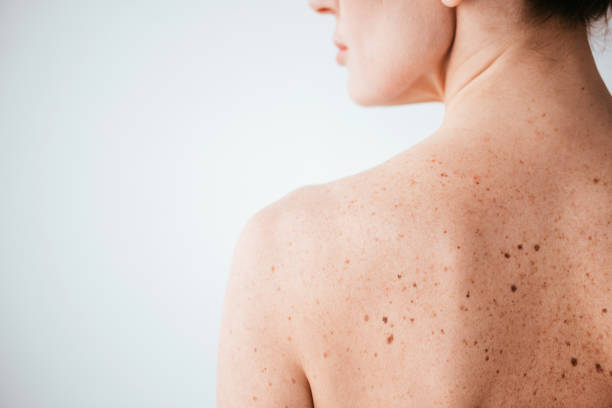
When it comes to mole removal, misinformation is widespread. From social media hacks to well-meaning but incorrect advice, patients often encounter myths that can lead to dangerous decisions. Mole Removal in Riyadh For those considering Mole Removal in Riyadh, understanding the facts is essential for making safe, informed choices about your skin health. This guide debunks common myths and presents the facts you need to know.
Myth: You Can Safely Remove a Mole at Home
Fact: At-home mole removal is dangerous and strongly discouraged.
The internet is filled with DIY methods—from apple cider vinegar and garlic to specialized pens and cutting tools—that promise quick, inexpensive solutions . The reality is that attempting to remove a mole yourself can lead to serious, sometimes permanent, consequences. Home removal is rarely performed in a sterile environment, leading to a high risk of infection . Improper cutting or the use of corrosive chemicals can cause permanent, unsightly scarring .
Most critically, you cannot tell if a mole is cancerous just by looking at it. When you remove a mole yourself, you destroy the tissue a pathologist would need to examine . This means you could be cutting off a melanoma and leaving cancer cells behind, potentially allowing the cancer to spread undetected . For those searching for "mole removal near me," prioritize professional care over convenience.
Myth: Moles Have "Roots" That Must Be Removed
Fact: Moles do not have roots like plants; they are clusters of pigmented cells.
A mole is a group of skin cells that develop pigmentation—not a structure with deep roots. When a mole is removed, a dermatologist aims to remove the entire growth. Surgical excision ensures all the pigment cells are taken out, preventing regrowth. Shave excision removes the raised portion but may leave some cells at the base, which is why there is a small chance of recurrence with this method.
Myth: A Mole Biopsy Will Make Cancer Spread
Fact: Biopsy does not cause cancer to spread; it is the safest diagnostic tool.
A common fear is that cutting into a mole for a biopsy could cause cancer cells to spread. This is false. A biopsy is a controlled, safe procedure that removes a small sample of tissue for microscopic examination . It is the only way to definitively determine if a mole is benign, precancerous, or malignant. Delaying or avoiding a biopsy due to this myth could result in a missed diagnosis of melanoma, the most dangerous form of skin cancer.
Myth: All Moles Will Eventually Become Cancerous
Fact: The vast majority of moles are completely harmless.
Most moles are benign and will never become cancerous. A common mole is a normal skin growth that appears in childhood and adolescence . While it is true that some moles can develop into melanoma, this is rare. Only moles that show concerning changes—such as asymmetry, irregular borders, color variation, or evolution—require a biopsy. Routine monitoring by a dermatologist is the best way to identify moles that may need removal.
Myth: Removing a Mole Is Painful
Fact: Mole removal is performed under local anesthesia and is essentially painless.
Before any removal, the area is numbed with local anesthetic, so you will not feel pain during the procedure . You may feel a brief sting from the injection, but after that, only pressure or a light scratching sensation is felt. Discomfort after the procedure is typically mild and manageable with over-the-counter pain relievers.
Myth: Laser Removal Is the Best Method for All Moles
Fact: Laser removal is only suitable for flat, benign moles, not for suspicious ones.
Laser removal is a great option for superficial, pigmented moles that have been confirmed benign. It is non-invasive and leaves minimal scarring . However, laser removal destroys the mole tissue, meaning it cannot be biopsied. Therefore, it is never suitable for suspicious or changing moles. If a mole has any signs of the ABCDE rule, it must be removed via surgical excision so that it can be sent to a pathology lab for analysis.
Myth: You Can Prevent Moles by Avoiding the Sun
Fact: While sun protection is important for overall skin health, it cannot prevent the development of all moles.
Moles are primarily determined by genetics and develop naturally as we age . Sun exposure can darken moles and increase the risk of skin cancer, but it does not cause the formation of most moles. However, protecting your skin from UV rays is essential for reducing the risk of melanoma and other skin cancers.
Myth: A Scar from Mole Removal Is Permanent and Noticeable
Fact: While any skin procedure leaves a mark, professional removal is designed to minimize scarring.
With proper aftercare, including keeping the wound moist and protecting the area from the sun, scars typically fade over 6 to 12 months. Experienced dermatologists use techniques like strategic incision placement and fine sutures to create the least visible scar possible . For suitable moles, laser removal or shave excision can result in barely perceptible marks.
For those seeking expert guidance and customized aesthetic care, you can book an appointment consultation at the Enfield Royal Clinic.
Frequently Asked Questions
Is it safe to remove a mole with lemon juice or garlic?
No, these home remedies are dangerous and can cause chemical burns, severe scarring, and destroy tissue needed for cancer testing.
Do moles grow back after professional removal?
If the entire mole is surgically excised, it does not grow back; shave removal carries a small risk of regrowth if the base remains.
Can a dermatologist tell if a mole is cancerous just by looking?
A dermatologist can identify warning signs but cannot definitively diagnose cancer without a biopsy.
Is laser mole removal painful?
The area is numbed with local anesthetic, so you feel no pain during laser removal, only a mild sensation.
What is the recovery time for mole removal?
Surface healing takes 1-3 weeks, with scar fading over 6-12 months if proper aftercare and sun protection are followed.