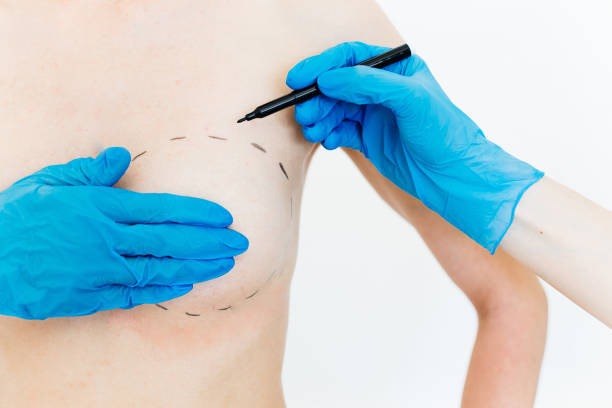
Silicone breast implants remain one of the most studied medical devices, yet the amount of information available can feel overwhelming. Silicone Breast Implants in Riyadh (حشوات الثدي السيليكونية في الرياض) addresses the most common patient concerns—from implant longevity and rupture detection to rare but serious risks—to help you navigate your breast augmentation journey with confidence.
How Long Do Silicone Implants Last?
Silicone breast implants are not lifetime devices. While they are durable, they have a finite lifespan, and the risk of rupture increases over time. Studies show that the average time from implant placement to rupture is approximately 5.9 years, though many implants last significantly longer without issues . A Japanese study of 2,071 patients found that implant rupture rates were 1.1% at 5 years and 11.8% at 10 years .
What Is a "Silent Rupture"?
Unlike saline implants, which visibly deflate when ruptured, silicone implants can develop a "silent rupture"—a tear in the shell that does not cause noticeable symptoms. Modern cohesive silicone gel implants are designed to maintain their shape even when ruptured, meaning patients may have no idea their implant is compromised .
How Common Is Implant Rupture?
Research provides some specific numbers: in a cohort of 376 patients followed for over five years, 38% of silicone implant ruptures presented without any clinical symptoms and were found incidentally on routine MRI screening . This is why the FDA recommends routine screening for silicone implant patients.
What Are the Signs of a Ruptured Implant?
Physical Changes to Watch For
While silicone ruptures can be silent, some symptoms may indicate a problem :
-
Changes in breast shape or size—asymmetry or a deflated appearance
-
Lumps or areas of firmness
-
Hardening of the breast, known as capsular contracture
-
Pain, tenderness, or swelling
-
Changes in sensation in the breast or nipple
If you notice any of these signs, contact your plastic surgeon for evaluation .
What Are the Health Risks of a Ruptured Silicone Implant?
A ruptured silicone implant can cause several health concerns :
Local Effects: These include capsular contracture (hardening of scar tissue), silicone migration to surrounding tissues, and silicone lymphadenopathy (siliconomas)—silicone deposits in lymph nodes, which occur in approximately 13.6% of implant patients .
Systemic Concerns: Research continues to explore the relationship between silicone implants and systemic symptoms, including the rare condition Breast Implant-Associated Anaplastic Large Cell Lymphoma (BIA-ALCL). A recent review identified 1,170 cases of BIA-ALCL across studies covering more than 17 million patients . This rare cancer is strongly associated with textured silicone implants.
Autoimmune Markers: Recent research has found that silicone exposure can induce an immune response, including the expression of markers associated with various autoimmune diseases . However, a large Dutch study found that patients with silicone implants did not show a significantly increased risk for BII-associated symptoms compared to those without implants .
What Should You Do If You Have a Ruptured Implant?
Specialists generally recommend removing a ruptured silicone implant for healthy patients, even when there are no symptoms . If you want a new implant, it can typically be placed during the same surgery . Delaying treatment increases the risk of silicone migrating beyond the capsule into surrounding tissues .
How Often Should Implants Be Screened?
The FDA recommends screening for silicone implant integrity with either an ultrasound or MRI :
-
First screening: 5 to 6 years after implant placement
-
Subsequent screenings: Every 2 to 3 years after
For those seeking expert guidance and customized aesthetic care, you can book an appointment consultation at the 'Enfield Royal Riyadh (إنفيلد رويال الرياض).'
Frequently Asked Questions
Can a ruptured silicone implant make you sick?
A ruptured implant can cause local inflammation, capsular contracture, and silicone migration. Studies have identified autoimmune markers in tissue surrounding implants, but the link to systemic illness remains an area of active research .
What is the most common sign of a ruptured silicone implant?
The most common presentation is no symptoms at all—38% of silicone ruptures are "silent" and only detected through imaging. When symptoms do occur, they may include breast pain, changes in shape, or firmness .
Is MRI or ultrasound better for detecting silicone implant rupture?
MRI is the gold standard, achieving approximately 97% sensitivity for detecting silicone implant rupture and can show classic signs like the "linguini sign" . Ultrasound is now also recommended as an acceptable screening tool .
Can silicone migrate beyond the implant capsule?
Yes, silicone migration can occur, particularly when an implant is ruptured. This can lead to silicone deposits in axillary lymph nodes (siliconomas) and other tissues .
Do all silicone implants need to be removed eventually?
Implants are not lifetime devices, but removal is not mandatory at a specific age—it is typically indicated when a rupture is detected, or if complications develop. Regular screening helps detect problems early .