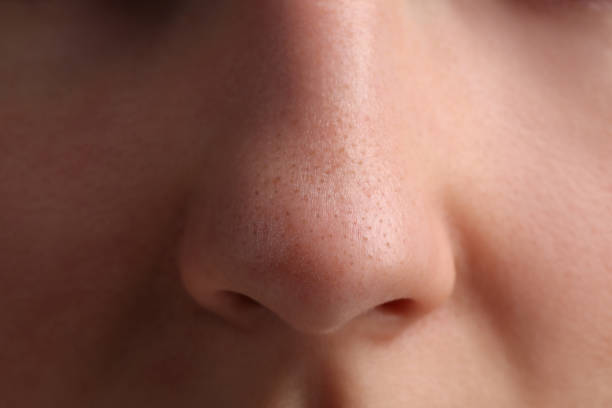
Before selecting a technique, the most critical question is whether alarplasty is the right procedure for your anatomy. Alarplasty In Riyadh Alarplasty is a focused surgical procedure that modifies the width, shape, or symmetry of the nostrils (the alar base) . It is suitable when your concern is isolated to the nostrils—when you are satisfied with your nasal bridge and tip, but feel your nostrils are disproportionately wide, excessively flared, or asymmetrical .
When Alarplasty Is Not the Right Choice
If you also have concerns about your nasal bridge (such as a hump), a bulbous or drooping tip, or a deviated septum affecting breathing, alarplasty alone may not achieve the balanced result you desire. In these cases, addressing the nostrils alone can actually make the tip or bridge appear more prominent by comparison . For patients with multiple concerns, a full rhinoplasty or a combined approach (rhinoplasty with alarplasty) is often the more appropriate surgical plan .
The Anatomical Assessment: Diagnosing the Issue
If alarplasty is suitable, the next step is to diagnose exactly what needs correction. This assessment guides which technique is chosen. Your surgeon will evaluate your nostrils in several conditions: at rest, from a three-quarter view, and while smiling or breathing normally .
A clinical reference for an ideal nasal base width is that it should approximate the distance between the inner corners of the eyes (intercanthal distance) . The key questions are:
-
Is it width or flare? "Width" refers to the overall distance between the outer edges of the nostrils. "Flare" refers to the degree to which the nostrils widen, especially during expression .
-
Is the issue static or dynamic? For some patients, the nostrils widen significantly when smiling (dynamic flare). This may require a different surgical strategy . Research has classified alar flaring mobility into classes, where Class III mobility (most pronounced) strongly suggests surgical intervention .
A critical diagnostic nuance is to ensure the base isn't just "visually wide" because the tip lacks support or projection. In such cases, the underlying issue is in the tip, and base-only surgery could look unbalanced .
Choosing the Right Technique for Your Anatomy
Once the diagnosis is made, the surgeon selects a technique—or combination of techniques—tailored to your specific anatomy. The goal is always subtle, natural-looking refinement, preserving the nose's natural curvature and your ethnic characteristics .
Weir Excision (Alar Wedge Resection)
The Weir excision is the most common technique for addressing a wide nostril base and reducing alar flare . A small wedge of tissue is removed from the junction where the nostril meets the cheek (the alar-facial groove). The incision is hidden in this natural crease, making the scar virtually imperceptible once healed . A classic Weir excision typically removes 3 to 4 millimeters of skin .
-
Best for: Reducing overall nostril width and flare.
Sill Excision (Nostril Sill Resection)
The sill excision is used when the issue is primarily the size of the nostril opening itself . An incision is made at the nostril sill (the bridge of tissue at the base of the nostril) to decrease the length and width of the nostril. This technique can be performed with incisions that are more hidden inside the nostril .
-
Best for: Reducing the size of large nostril openings.
Combined Weir and Sill Excision
When both width and the size of the nostril opening need to be addressed, the techniques are often combined . This allows for a more comprehensive refinement of the lower nasal base.
-
Best for: Patients requiring a more significant correction to both nostril width and opening size.
Alar Cinch (Internal Suture Technique)
For mild to moderate flaring, a non-resective technique called the alar cinch can be used. This involves internal sutures that pull the nostrils inward without removing any external tissue .
-
Best for: Mild-to-moderate flare where no reduction in tissue is desired.
The Golden Rule: Conservative Execution
Alarplasty is an irreversible procedure; once tissue is removed, it cannot be put back . Over-aggressive reduction is the primary cause of unnatural, "pinched" appearance. Experienced surgeons prioritize a conservative approach, aiming for a subtle refinement that can be adjusted later, rather than risking an over-resection .
For those seeking expert guidance and customized aesthetic care, you can book an appointment consultation at the Enfield Royal Clinic.
Frequently Asked Questions
What is the most common alarplasty technique?
The Weir excision is the most common technique. It removes a small wedge of tissue from the nostril base to reduce width and flare, with the incision hidden in the natural crease .
Can I have alarplasty without a visible scar?
Incisions are placed in natural creases to make scars discreet. The sill excision can place incisions inside the nostril, leaving no visible external scar .
What is the difference between Weir and Sill excisions?
The Weir excision reduces nostril width by removing tissue from the alar-facial groove. The Sill excision reduces the nostril opening itself via incisions at the nostril base .
Is alarplasty a permanent procedure?
Yes, the reduction in nostril width is permanent, as it involves removing tissue. Over-aggressive reduction is difficult to correct .
How much tissue is typically removed?
A classic Weir excision typically removes 3 to 4 millimeters of skin to achieve natural refinement .