Skeletal Muscle Relaxants: Uses, Benefits and Side Effects
Posted by amber swift
Filed in Health 53 views
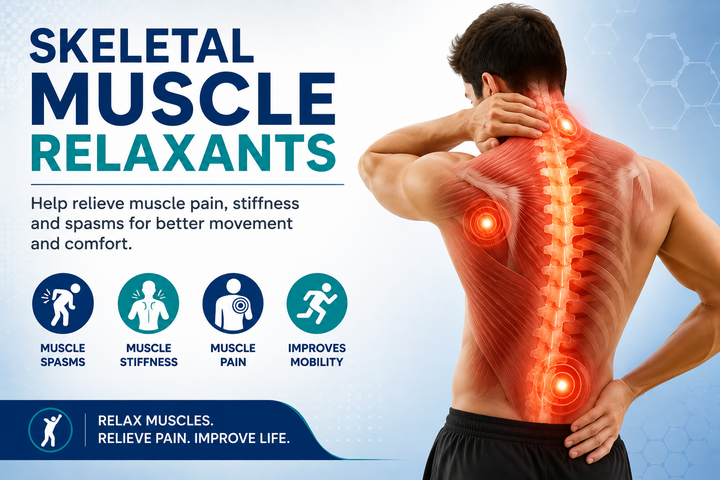
Skeletal muscle relaxants are a type of drug that is prescribed for controlling muscle tightness, spasms, and pain. This drug is often considered when muscle-related problems interfere with normal daily activity. This type of medication works by decreasing the abnormal muscle activity and helps to move while healing the damaged muscles. Skeletal muscle relaxants can be recommended by doctors to treat short-term conditions, including muscle strains, spasms, or musculoskeletal pain syndrome.
People who try to find information about the treatment of muscle spasms can come across such search terms as Pain O Soma 500mg and Buy Pain O Soma 350mg. These drugs contain carisoprodol and must be used in accordance with a recommendation of the qualified specialist. The dosage, duration of usage, and safety of the treatment depend on many factors, including the patient's symptoms, history, etc. If you live in the USA, follow your physician’s directions.
What Are Skeletal Muscle Relaxants?
Skeletal muscle relaxants are medications used to treat spasticity, tightness, and uncoordinated muscle movements. Spasticity is defined as the rapid contraction of muscles without relaxation of the muscle, which results in pain, stiffness, and reduced movement.
Skeletal muscle relaxants can be classified into two types; some work on the central nervous system while others work on the muscles. As such, doctors use the drugs depending on the patient's condition and causes of the problem.
The drugs are not intended for the treatment of the cause of the injury but only alleviate the muscle effects.
Common Uses of Skeletal Muscle Relaxants
Doctors may use skeletal muscle relaxants for short-term muscle conditions. Common situations can include:
- Muscle spasms
- Muscle stiffness
- Painful muscle strains
- Back or neck muscle discomfort
- Sports-related muscle injuries
- Limited movement caused by muscle tightness
- Certain musculoskeletal conditions
Treatment usually works best alongside other appropriate measures, such as rest, gentle movement, physical therapy, or exercises recommended by a healthcare professional.
How Do Muscle Relaxants Work?
Various types of skeletal muscle relaxants operate by diverse methods. Some suppress messages from the nervous system to muscles, which may help ease the sensation of muscle tightness and alleviate pain.
As a consequence of decreased muscular activity, movements might become easier. Nevertheless, individuals are likely to feel sleepy or slower in responding due to the effect of certain medicines on the nervous system.
Therefore, individuals should realize the effect of a certain medicine prescribed to them before driving, using machinery, or taking part in any other activity requiring full alertness.
Benefits of Skeletal Muscle Relaxants
When appropriately prescribed, skeletal muscle relaxants can provide several potential benefits.
Relief From Muscle Spasms
Muscle spasms can cause sudden or persistent discomfort. Reducing excessive muscle activity may help decrease the frequency or intensity of spasms.
Improved Movement
Stiff or painful muscles can make simple movements uncomfortable. By reducing muscle tightness, treatment may make normal movement easier during recovery.
Support During Short-Term Recovery
Muscle strains and other acute injuries often improve with time. A healthcare professional may recommend a muscle relaxant as part of a broader treatment plan when spasms make recovery more difficult.
Better Comfort
Reducing muscle tension may help a person perform daily activities more comfortably. However, symptom relief should not replace evaluation of an underlying injury when symptoms persist.
Possible Side Effects
Like all medicines, skeletal muscle relaxants can cause side effects. The effects vary depending on the specific medicine, dose, and individual response.
Common side effects may include:
- Drowsiness
- Dizziness
- Headache
- Fatigue
- Weakness
- Dry mouth
- Reduced alertness
- Upset stomach
Some people may experience stronger effects than others. Drowsiness and dizziness can increase the risk of falls or accidents, particularly when someone first starts treatment.
Safety Precautions
The medication must be taken in accordance with the prescription and in recommended doses. It is necessary to consult a specialist before doubling or increasing the dose in case there are no visible improvements in your condition.
Do not engage in any activities that require your full attention until you feel how the drug acts on you. The use of alcohol with certain muscle relaxers may intensify the influence on the central nervous system.
Who Should Use Extra Caution?
There may be a need for more medical guidance for the usage of skeletal muscle relaxants for some people, such as those with certain medical conditions, seniors, and those taking medications that induce drowsiness.
Pregnant or breastfeeding women need to consult their healthcare provider before they use muscle relaxants. Also, individuals who are addicted to some form of medication should discuss the matter with their health care provider.
Muscle relaxants should never be shared with other people, even if they are exhibiting the same symptoms as you do.
How Long Are They Usually Used?
Most skeletal muscle relaxers are designed for short term use especially where they are used to treat acute muscle issues. Prolonged use could need medical evaluation since some drugs have side effects like dependency and tolerance if they are used incorrectly or for a prolonged period of time.
The length of time that one should be under medication will depend on the condition itself and how one reacts to the medicine.
Combining Treatment With Healthy Recovery Habits
Taking medicine is not the only way to deal with muscle soreness. Based on the source of the problem, the patient needs rest, movement, physiotherapy, good posture, enough sleep, and a return to normal activity gradually.
Do not stress your injured muscle excessively. On the other hand, inactivity for a long period of time can lead to stiff muscles. This will be determined by a specialist.
When Should You Contact a Healthcare Professional?
If you have severe muscle pains or spasms, which are persistent and do not improve, seek medical assistance. In case you experience sudden weakness, numbness, serious swelling, problems with walking, and/or you were injured, seek medical help.
The patient should inform his/her physician about the appearance of severe side effects and inability to perform daily routine.
Final Thoughts
Muscle relaxers can assist in relaxing your muscles when a healthcare professional deems that they are the right choice for you. While muscle relaxers can assist in making your mobility easier and aid in the short-term recovery process, they need to be part of an overall plan, and not a substitute for diagnosing.
Knowledge of potential benefits, risks, considerations, and the right amount of time to use such medication will assist you in making the right choice. Should you choose muscle relaxer therapy, then consult a healthcare professional.