Custom Food Boxes for Ghost Kitchens: Packaging as the Only Physical Touchpoint You Get
Posted by Rafaquat Khan
Filed in Other 53 views
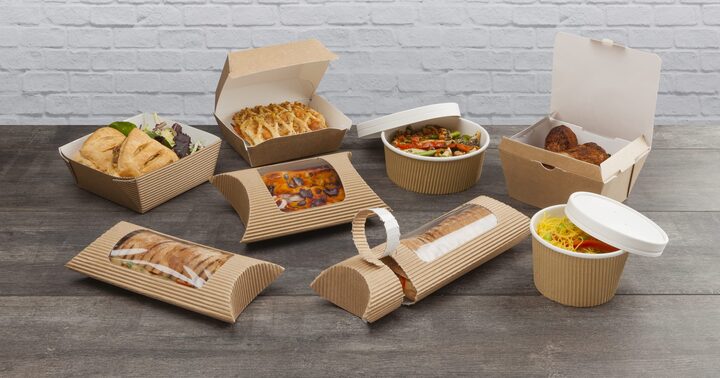
Ghost kitchens don't have a dining room, a host stand, or a server to greet customers. There's no ambiance, no plating presentation at the table, no chance to make a first impression in person. The box is it. For delivery-only restaurants and multi-brand virtual kitchens, custom food boxes aren't just packaging — they're the entire physical brand experience a customer will ever have.
Why Packaging Carries More Weight for Delivery-Only Concepts
Traditional restaurants build trust through atmosphere, service, and presentation happening live in front of the customer. Ghost kitchens skip all of that. Everything a customer knows about the brand gets communicated through an app listing and, eventually, a box arriving at their door. That box has to do the work a dining room used to do: signal quality, reinforce identity, and create enough of an impression that the customer remembers the name and orders again.
This is especially tricky for virtual restaurant brands, where a single commissary kitchen might be producing food for three, four, or five different delivery-only concepts out of the same space. Packaging becomes the primary way customers tell these separate brands apart, even though the food might be coming from the same physical location.
What Ghost Kitchen Packaging Needs to Get Right
Delivery-only operations face packaging challenges that traditional restaurants often don't need to think about as carefully, since food isn't served immediately after leaving the kitchen. A few priorities matter more here than elsewhere:
- Extended heat retention since delivery times can run longer and less predictably than in-house service
- Leak-proof seals for sauces, soups, and liquid-heavy dishes that get jostled during transit
- Structural integrity for stacking, since delivery drivers often carry multiple orders at once
- Clear brand differentiation, especially critical when multiple virtual brands share a kitchen
- Compartmentalization to keep components like proteins, sides, and sauces separated and appealing when opened
Getting any of these wrong shows up almost immediately in app reviews, and for delivery-only businesses that live or die by their rating on food delivery platforms, packaging failures translate directly into lost orders.
Branding Multiple Virtual Concepts From One Kitchen
Multi-brand virtual kitchens face a packaging challenge unique to this business model. When one commissary produces food for several distinct delivery brands, custom food boxes become the clearest way to keep those identities separate in a customer's mind. A burger concept, a wing concept, and a salad concept operating out of the same kitchen need packaging that looks nothing alike, even though the operational backend is identical.
This isn't just a branding nicety. Customers who order from what they believe are different restaurants sometimes notice similarities in packaging design and lose trust in the authenticity of each brand. Distinct box designs, color schemes, and printed messaging help maintain the illusion that matters for customer trust, even when it's an intentional business efficiency behind the scenes.
Designing for the Delivery Journey, Not the Dining Room
Packaging built for a sit-down restaurant experience often fails when applied directly to delivery. A box that looks elegant on a table can become soggy, tip over in a delivery bag, or lose heat too quickly over a twenty-minute ride. Ghost kitchen packaging needs to be evaluated specifically for the delivery journey: how it performs in a hot car, how it survives being placed at an angle in a delivery bag, and how it looks when a customer opens it after that entire trip.
This is where working with a packaging supplier that understands delivery-specific requirements becomes valuable, rather than adapting standard dine-in takeout boxes and hoping they hold up.
Sustainability Still Matters, Even Without a Storefront
Delivery-only concepts sometimes assume sustainability messaging matters less without a physical location for customers to visit, but the opposite tends to be true. Every single customer interaction happens through the box, which means sustainability claims printed on custom food boxes carry the full weight of communicating a brand's values, since there's no in-person signage or staff to reinforce that message elsewhere. Compostable or recyclable packaging paired with clear labeling helps delivery-only brands compete with traditional restaurants on values, not just convenience.
How Packaging Affects Delivery App Ratings
Food delivery platforms rely heavily on customer ratings, and packaging failures are one of the most common complaints driving down scores. Spilled sauces, soggy fries, and cold entrees often trace back to packaging that wasn't designed for the realistic conditions of a delivery trip. Ghost kitchens investing in well-engineered custom food boxes tend to see measurably fewer complaints tied to food quality, even when the actual cooking and recipe haven't changed at all.
Frequently Asked Questions
Do ghost kitchens need different packaging than traditional restaurants? Often yes, since ghost kitchen food typically travels longer distances and sits longer before being opened, requiring stronger heat retention and leak protection than dine-in takeout packaging.
How can multiple virtual brands from one kitchen use packaging to stay distinct? Using entirely different box designs, colors, and printed branding for each virtual concept helps maintain separate identities, even when the food comes from a shared kitchen.
What packaging features matter most for delivery app ratings? Leak-proof seals, proper ventilation to prevent sogginess, and secure compartmentalization tend to have the biggest impact on reducing complaints tied to food arriving damaged or cold.
Is sustainable packaging cost-effective for delivery-only restaurants? Many recyclable and compostable options are now competitively priced, especially at wholesale volume, making sustainability achievable without significantly increasing per-order packaging costs.
Finding a Packaging Partner That Understands Delivery
Sourcing reliable custom packaging boxes built specifically for delivery conditions makes a real difference for ghost kitchens and virtual restaurant brands. A knowledgeable supplier will ask about delivery radius, typical wait times, and menu composition before recommending a structure, rather than offering generic takeout boxes that weren't designed with delivery-specific stress in mind.
Final Thoughts
For ghost kitchens and delivery-only concepts, custom food boxes aren't a secondary consideration behind the food itself, they're the only physical representation of the brand a customer will ever encounter. Getting heat retention, leak protection, and brand differentiation right directly affects delivery ratings, repeat orders, and how successfully multiple virtual brands can operate from the same kitchen without confusing customers. In a business model built entirely around what arrives at someone's door, the box carries more weight than it ever did in a traditional restaurant.