A Practical Guide to Building an Effective EPR Compliance System
Posted by Surojit Das
Filed in Business 31 views
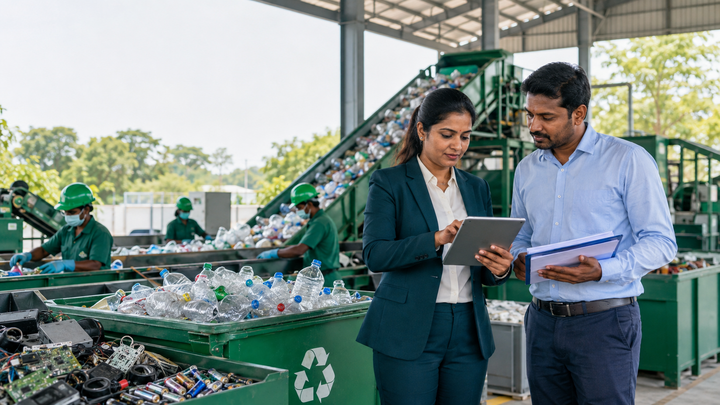
When a growing manufacturer in Chennai expanded its product range, the management team focused on sales, packaging and distribution. Regulatory responsibilities received attention only when a business partner requested compliance records. Working with an EPR Consultant in Tamil Nadu helped the company identify its applicable waste stream, organise historical data and create a structured compliance calendar. The experience revealed an important lesson: Extended Producer Responsibility is not merely a registration exercise. It requires reliable data, authorised partners and consistent documentation throughout the year.
Understanding Extended Producer Responsibility
Extended Producer Responsibility, commonly called EPR, places responsibility on eligible producers, importers and brand owners for managing specified products or packaging after consumer use.
The exact obligations depend on the relevant waste-management rules and the organisation’s role. Requirements may apply to businesses dealing with plastic packaging, electrical and electronic equipment, batteries, tyres or used oil.
An effective compliance system generally involves:
- Identifying the applicable waste category
- Registering on the relevant regulatory portal
- Declaring products or packaging accurately
- Calculating applicable targets
- Working with registered waste processors
- Maintaining transaction and recycling records
- Filing returns within prescribed timelines
- Retaining evidence for verification
Because different waste streams follow different rules and portals, businesses should confirm which framework applies before beginning an application.
Why Businesses Should Start Early
Many organisations approach compliance only when a customer, marketplace, investor or regulator requests documentation. This reactive approach can create avoidable pressure.
Registration may require corporate records, product information, sales data, packaging details and operational documents from multiple departments. Collecting and reconciling these records takes time, particularly when procurement, finance, production and sales teams store information differently.
Starting early allows a business to identify missing records, correct inconsistencies and plan its obligations before deadlines arrive.
Determine Whether Your Business Is Covered
The first step is to map the organisation’s activities rather than relying only on its registered business description.
A company may have obligations if it:
- Manufactures regulated products
- Introduces packaged goods under its own brand
- Imports covered products or packaging
- Sells products through online marketplaces
- Uses third-party manufacturers for branded goods
- Processes or recycles regulated waste
- Refurbishes eligible electrical or electronic equipment
A qualified EPR Consultant can review the supply chain and help identify the correct business category. However, management should remain involved because consultants depend on the accuracy of the information supplied by the company.
Questions to Ask Internally
Before applying, confirm:
- Which products or packaging materials enter the Indian market?
- Who manufactures, imports or owns the brand?
- What quantities were introduced during the relevant period?
- Which invoices, bills of entry and production records support those figures?
- Are any units operating from more than one state?
- Does the company already hold related environmental authorisations?
These questions create a reliable starting point for determining applicability.
Prepare for EPR Registration in Tamil Nadu
A well-organised document file can reduce delays and prevent inconsistent submissions. Requirements vary by waste stream and business category, but companies commonly need corporate, tax, product and operational information.
Create a Document Checklist
Prepare and verify documents such as:
- Incorporation or business registration records
- PAN and GST details
- Authorised signatory information
- Registered office and operational addresses
- Product or packaging descriptions
- Import, purchase, production and sales records
- Relevant environmental consents or authorisations
- Agreements with recyclers or processors, where applicable
- Previous registrations and returns
Names, addresses and identification numbers should match across records. Even small differences can create clarification requests.
Organise Quantity Data Carefully
Do not estimate quantities without supporting evidence. Reconcile declared figures with invoices, stock records, customs documents and financial statements.
Create a spreadsheet that records:
- Product category
- Material type
- Quantity
- Reporting period
- Source document
- Responsible department
- Verification status
This working sheet becomes valuable during filing, annual reviews and regulatory inspections.
Understand the Role of the EPR Certificate
The term EPR Certificate can refer to different documents depending on the applicable framework. It may be used informally for a registration document or, under certain systems, for certificates generated through registered recycling activity.
Businesses should not treat every certificate as interchangeable. They should confirm:
- Which document is required
- Who is authorised to issue or generate it
- Whether it is visible on the official portal
- Which waste category and period it covers
- Whether the quantity matches the claimed obligation
- Whether supporting invoices and processing records are available
Never rely solely on a PDF received through email. Verify important records through the applicable regulatory system whenever possible.
Move from Registration to Ongoing Fulfilment
Receiving registration does not complete the compliance journey. The organisation must continue monitoring quantities, targets, recycling activity and returns.
EPR Fulfillment requires coordination between internal teams and external waste-management partners. A company may need to track material introduced into the market, arrange collection or recycling through authorised entities and retain evidence of completed transactions.
Build a Compliance Calendar
The calendar should include:
- Registration renewal dates
- Periodic data collection deadlines
- Target reviews
- Recycler documentation checks
- Return-filing dates
- Internal management reviews
- Record-retention periods
Assign an owner to every activity. A deadline without a responsible person is easily missed.
Review Waste Partners
Before engaging a recycler or processor, verify:
- Current registration status
- Approved waste category
- Authorised processing capacity
- Facility and contact details
- Record-keeping process
- Invoice and certificate procedures
- Portal transaction capability, where required
Maintain copies of agreements, invoices, weighment records and other relevant evidence. Conduct periodic checks instead of relying on a one-time verification.
Avoid Common Compliance Mistakes
Several recurring errors can weaken an otherwise valid application or filing.
Using Inconsistent Business Details
Differences in legal names, addresses or identification numbers across documents may cause delays. Use the registered legal identity consistently.
Selecting the Wrong Business Category
A brand owner, importer, producer, recycler and refurbisher may have different obligations. Review actual operations before selecting a category.
Reporting Unsupported Quantities
Every reported figure should have a clear source. Unsupported estimates may create problems during scrutiny or audit.
Waiting Until the Deadline
Last-minute preparation leaves little time to resolve portal issues, collect missing documents or correct discrepancies.
Treating Registration as the Final Step
Ongoing target management, partner verification and return filing are essential. Registration alone does not demonstrate complete compliance.
How to Select the Right Compliance Adviser
A capable adviser should explain the process clearly and help the business create a repeatable internal system.
Ask potential consultants:
- Which waste streams do you handle?
- How will you determine our business category?
- What documents and data will you require?
- How do you verify recyclers or processors?
- Who will monitor deadlines and portal updates?
- How will our records be organised?
- What support is provided after registration?
- Which tasks remain the company’s responsibility?
Avoid anyone promising approval without reviewing the business model or suggesting unsupported shortcuts. Reliable compliance work should be transparent and evidence-based.
Create an Internal EPR Management System
Long-term compliance becomes easier when it is integrated into everyday business processes.
Assign Department Responsibilities
Procurement can track material composition, finance can reconcile invoices, operations can maintain production data and legal teams can monitor regulatory obligations.
Maintain a Central Record Repository
Store registrations, returns, agreements, invoices, certificates and supporting documents in one controlled location. Use clear file names and restricted editing permissions.
Conduct Periodic Reviews
Quarterly reviews help identify data gaps before annual deadlines. Compare sales, import and production figures with submitted records and investigate differences promptly.
Final Thoughts
A successful EPR programme combines accurate classification, dependable data, authorised waste partners and timely reporting. Businesses should begin by mapping their products, packaging and supply chains, then create a clear document checklist and compliance calendar.
External guidance can simplify technical processes, but the company must retain ownership of its information and obligations. When EPR becomes part of routine operations rather than a last-minute filing exercise, compliance becomes more manageable, transparent and resilient.