How to Give Basic Outfits a Distinctive Comme Des Garcons Touch
Posted by Comme Des Garcons
Filed in Shopping 0 views
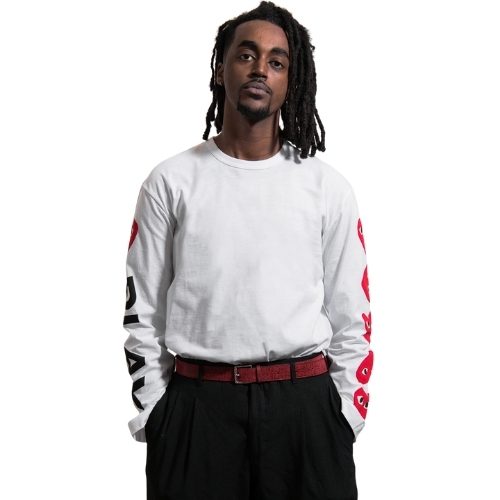
Great style does not always require complicated outfits or a wardrobe full of statement pieces. Sometimes, the most memorable looks come from simple combinations that are carefully balanced and thoughtfully styled. A plain T-shirt, relaxed trousers, sneakers, and a jacket can create a strong foundation, but adding the right detail can completely change the overall appearance. Comme Des Garcons has long been associated with creative design, unexpected proportions, and effortless individuality. Its influence shows how small choices can make everyday clothing feel more expressive. By focusing on layering, texture, accessories, and proportion, anyone can give familiar outfits a distinctive designer-inspired character without making them look overly complicated.
Start With a Strong Everyday Foundation
The easiest way to create a distinctive outfit is to begin with reliable basics. Neutral T-shirts, straight-leg jeans, relaxed trousers, simple sneakers, and lightweight jackets provide a flexible base for experimentation. Instead of wearing several eye-catching pieces at once, choose one garment to become the main visual feature. A Comme des Garcons Hoodie can work particularly well because its relaxed silhouette adds personality while remaining easy to style. Pairing it with straight denim and clean sneakers creates a balanced casual outfit. The key is to let one interesting piece stand out while keeping the rest of the look simple, creating an appearance that feels intentional rather than overloaded.
Bring Contrast Into Simple Combinations
Contrast is one of the easiest styling techniques for making basic clothing look more interesting. This does not necessarily mean choosing bright colors. Contrast can come from differences in fabric, silhouette, texture, or visual weight. For example, a structured jacket can be worn with relaxed trousers, while a soft cotton T-shirt can be paired with heavier denim. Streetwear labels such as Corteiz demonstrate how distinctive graphics and relaxed proportions can make everyday pieces feel more expressive. Taking inspiration from this approach does not mean copying another brand's aesthetic. Instead, use contrasting elements to develop a personal wardrobe where simple pieces work together while still creating visual interest.
Use Proportion to Change the Overall Look
Proportion can completely transform an otherwise ordinary outfit. A slightly oversized top can create a relaxed contemporary appearance, while straight or tapered trousers can provide structure underneath. Conversely, wider trousers can balance a fitted T-shirt or cropped jacket. The goal is not to make every piece oversized but to create a deliberate relationship between different garments. When proportions are considered carefully, even inexpensive basics can appear more fashion-forward. A relaxed sweatshirt with straight trousers and understated sneakers, for example, can look polished without appearing formal. Experimenting with different lengths and silhouettes is a practical way to discover which combinations complement your personal style.
Try One Oversized Element at a Time
If oversized clothing is new to your wardrobe, start with one relaxed piece rather than changing the entire silhouette. An oversized hoodie can work with straight jeans, while a loose T-shirt can be balanced with cleaner trousers. This approach prevents the outfit from becoming shapeless and makes the proportions easier to control. Once you understand how different cuts work together, you can experiment with wider trousers, longer outerwear, or layered pieces. The most successful outfits often combine relaxed and structured elements rather than relying on one silhouette throughout the entire look.
Make Layering Part of Your Style
Layering adds depth to basic outfits and allows individual pieces to look different depending on how they are combined. A simple T-shirt can become more interesting underneath an open overshirt, lightweight jacket, or cardigan. During colder weather, a hoodie can sit comfortably beneath structured outerwear, creating contrast between casual and refined elements. Keep the colors connected so the layers do not compete with one another. Black, white, grey, navy, beige, and muted green are especially versatile because they allow different textures and silhouettes to become the focus. Good layering should feel effortless, with each visible layer contributing something useful to the overall outfit.
Let Small Details Do the Work
Accessories can give a basic outfit a finished appearance without requiring major changes to the wardrobe. A simple cap, understated bag, silver-toned jewelry, or distinctive pair of sunglasses can introduce personality. Footwear is equally important because changing sneakers or boots can completely alter the mood of the same clothing combination. Instead of adding several accessories, choose one or two details that complement the outfit. This creates a cleaner appearance and prevents unnecessary visual clutter. A minimal outfit with carefully selected accessories can often feel more distinctive than a complicated look containing too many competing elements.
Experiment With Color Without Overdoing It
Color is another useful way to give everyday outfits more character. Neutral clothing provides an excellent foundation, but adding one unexpected shade can create a stronger visual impact. For example, a mostly black outfit can be refreshed with white sneakers, a muted red accessory, or a graphic layer. Similarly, beige trousers can work with black outerwear and a simple white shirt. Rather than following every seasonal color trend, choose shades that complement your existing wardrobe. This makes individual pieces easier to reuse and encourages a more consistent personal style. The objective is not to make every outfit colorful but to understand when a small contrast can make a difference.
Create a Signature Detail
A signature detail can make your outfits recognizable without requiring an entirely unique wardrobe. This could be a recurring color combination, a particular type of sneaker, a favorite jacket silhouette, or a graphic element. Repeating one visual feature across different outfits creates consistency and helps establish personal style. The detail should feel natural rather than forced. For someone who prefers understated clothing, a distinctive logo or small accessory may be enough. For others, unusual proportions or layered textures may become their signature. Developing this consistency is one of the simplest ways to make everyday outfits feel more intentional.
Mix Designer Influence With Affordable Basics
You do not need a complete designer wardrobe to achieve a sophisticated streetwear-inspired look. Combining one premium or distinctive item with affordable basics can create an effective balance. For example, a recognizable jacket can be paired with plain denim, while a graphic sweatshirt can work with simple trousers and everyday sneakers. This approach also makes the wardrobe more practical because statement pieces are not being used in isolation. The basic garments provide versatility, while the distinctive pieces add character. The result is an outfit that feels personal rather than like a collection of expensive labels worn together.
Pay Attention to Fabric and Texture
Texture is often overlooked when styling basic clothing, yet it can make a significant difference. Cotton, denim, wool, nylon, leather, and fleece each create different visual impressions even when the colors are similar. Combining contrasting textures can add depth to an otherwise simple outfit. A smooth cotton T-shirt with textured trousers and a heavier jacket, for example, creates subtle variation without relying on bold patterns. Seasonal fabrics can also influence the mood of an outfit. Lightweight materials work well for relaxed summer combinations, while heavier layers create structure during colder months. Thinking about texture helps basic clothing feel richer and more carefully assembled.
Keep the Outfit Balanced From Head to Toe
Before leaving the house, consider the complete outfit rather than focusing on individual garments. Check whether the colors complement each other, whether the proportions feel balanced, and whether the footwear matches the overall mood. If the top is particularly bold, keep the lower half simple. If the trousers have a wide silhouette, consider a more structured upper layer. Small adjustments can make an outfit appear significantly more polished. This final check is especially useful when incorporating distinctive designer-inspired pieces because it ensures the statement element remains noticeable without overwhelming the rest of the look.
Frequently Asked Questions:
How can I make a basic outfit look more fashionable?
Start with simple, well-fitting basics and add one distinctive element. This could be an interesting hoodie, jacket, sneaker, accessory, or unusual silhouette. Keeping the rest of the outfit understated allows the standout piece to receive attention.
Can I create a Comme Des Garcons-inspired look without wearing a full designer outfit?
Yes. Focus on creative layering, relaxed proportions, neutral colors, contrasting textures, and one recognizable statement piece. The goal is to capture an experimental and individual approach to styling rather than simply wearing multiple branded items.
What colors work best for distinctive casual outfits?
Black, white, grey, navy, beige, and other neutral shades are excellent foundations. You can then introduce one stronger color through an accessory, sneaker, graphic top, or outer layer.
Should oversized clothing always be paired with fitted clothing?
Not necessarily. Oversized pieces can work with straight or relaxed garments as long as the overall proportions remain intentional. Avoid making every part of the outfit extremely loose unless that is specifically the look you want.
What is the easiest way to add personality to everyday clothing?
Start small. Experiment with accessories, footwear, layering, texture, and one distinctive garment. Over time, these choices can become part of a consistent personal style that makes even basic outfits feel unique.