How Coworking Spaces Can Help Small Businesses Grow
Posted by robert grimm Aug 26
Filed in Business 36 views
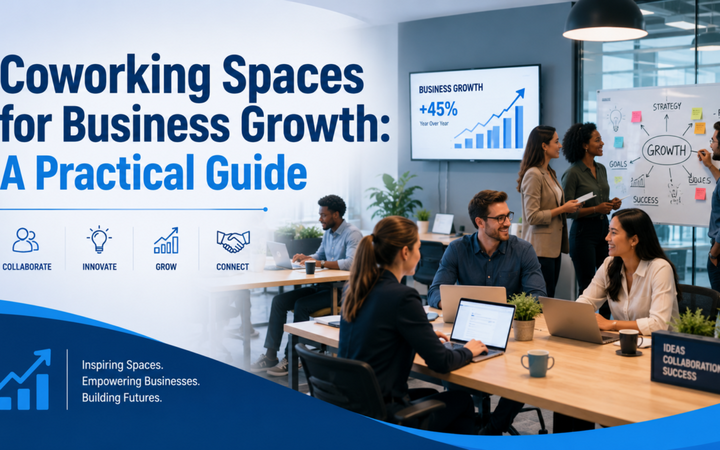
Small businesses often need to balance growth with limited budgets and changing operational needs. Renting a traditional office can create significant expenses, especially when a business is still building its client base or expanding its team.
Coworking spaces provide an alternative by offering professional work environments with flexible access and useful business facilities. For many small businesses, this flexibility can make it easier to focus resources on growth rather than unnecessary overhead.
Reduce Office Overhead
Traditional offices often require long-term leases, furniture, utilities, maintenance, and other expenses.
Coworking spaces can reduce some of these costs by providing ready-to-use work areas and shared facilities. Businesses can select a plan based on their current needs instead of investing heavily in a permanent office.
This can leave more resources available for marketing, hiring, technology, and other important areas.
Create a Professional Business Environment
A professional workspace can make a difference when dealing with clients and partners.
Instead of relying on a home office or public location, small businesses can use a dedicated professional environment for daily work and meetings.
A clean and organized setting can also help employees maintain better focus and separation between work and personal activities.
Support Flexible Team Growth
Small businesses do not always grow at a predictable rate.
A team may start with one or two people and gradually add employees as demand increases. Flexible coworking arrangements can make it easier to adjust workspace requirements as the business develops.
Scale Without Major Relocation
Moving to a larger traditional office can be time-consuming and expensive.
A coworking environment may provide different workspace options, allowing businesses to adjust their setup without completely changing their working location.
Encourage Professional Networking
Coworking spaces bring together professionals from different industries.
Small business owners can interact with freelancers, consultants, entrepreneurs, and other companies. These connections can lead to new ideas, partnerships, referrals, and potential clients.
Networking is not guaranteed to produce immediate results, but being around other professionals creates more opportunities for meaningful business connections.
Provide Useful Business Facilities
Small businesses may need access to facilities that would be expensive to arrange independently.
Depending on the coworking space, these can include:
- Meeting rooms
- High-speed internet
- Printing facilities
- Presentation equipment
- Private offices
- Shared work areas
- Business events
Having these resources available can simplify everyday operations.
Improve Employee Productivity
The work environment can influence how employees perform.
A professional workspace can provide structure for team members who may struggle with distractions while working from home.
Quiet areas can support focused tasks, while collaborative spaces can encourage communication and teamwork.
Make Client Meetings Easier
Client meetings are an important part of business development.
A professional meeting room can provide a comfortable and private setting for presentations, consultations, project discussions, and negotiations.
For small businesses without a traditional office, this can help create a more established professional presence.
Focus More Resources on Growth
One of the biggest advantages of flexible workspace arrangements is that businesses can avoid committing too many resources to office infrastructure.
Instead, owners can focus their attention on areas that directly contribute to business growth, such as improving services, attracting customers, developing products, and building a stronger team.
The workspace becomes a supporting resource rather than a major financial burden.
Encourage Collaboration and New Ideas
Working around professionals from different backgrounds can expose business owners and employees to new perspectives.
Casual conversations and collaborative activities can sometimes lead to fresh ideas or solutions to existing challenges.
This environment can be particularly useful for startups and small companies looking to develop their network and learn from others.
Choose a Workspace That Fits Your Business
Not every coworking space will be suitable for every company.
Before choosing one, consider location, pricing, workspace options, meeting facilities, access hours, internet reliability, privacy, and available amenities.
It is also important to think about future requirements. A space that works for a two-person team should ideally offer options if the company grows.
Final Thoughts
Coworking spaces can provide small businesses with flexibility, professional facilities, networking opportunities, and lower office-related commitments.
They allow businesses to access the environment and resources they need without necessarily taking on the cost and responsibility of a traditional office.
By choosing a workspace that matches their current requirements and future goals, small businesses can create a practical foundation for productivity and sustainable growth.