PDF Forensic Check and Voice Verification: Strengthening Digital Identity Security
Posted by Shakir accurascan
Filed in Technology 45 views
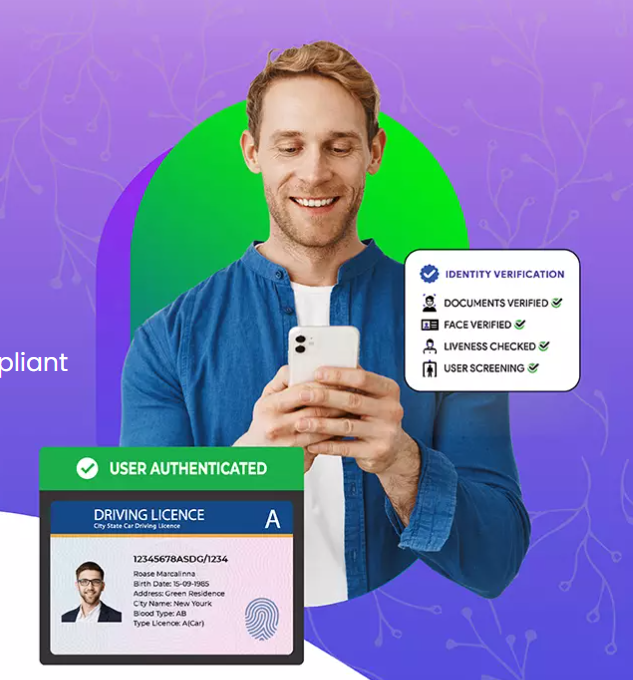
As digital transactions become part of everyday business, organizations need reliable methods to verify both documents and individuals. PDF forensic check and voice verification are two technologies helping businesses identify suspicious activity, reduce fraud, and strengthen digital identity verification processes.
What Is a PDF Forensic Check?
A PDF forensic check examines a digital PDF to identify signs of manipulation, alteration, or suspicious modifications. Unlike a simple visual review, forensic analysis can inspect the document’s technical characteristics, metadata, structure, embedded objects, and other indicators that may reveal whether a file has been tampered with.
This capability is valuable when organizations receive digitally submitted documents such as identity proofs, financial statements, certificates, invoices, or application forms. A forensic check can help identify inconsistencies that may not be obvious to the human eye.
Why PDF Forensic Analysis Matters
Fraudsters can modify digital documents using editing software while attempting to preserve their original appearance. A strong PDF forensic check can provide an additional layer of scrutiny before a document is accepted.
Organizations can use forensic document analysis to:
- Detect potential document manipulation
- Identify unusual metadata or structural changes
- Support digital KYC and onboarding
- Reduce document-based fraud
- Improve risk assessment
- Strengthen compliance workflows
When combined with OCR, document verification, and identity checks, PDF analysis can contribute to a more dependable verification process.
Understanding Voice Verification
Voice verification uses a person's unique vocal characteristics to help confirm their identity. During verification, a system analyzes voice-related characteristics and compares them with a previously registered voice profile or other trusted reference.
Modern voice biometric systems can support identity verification during customer interactions, authentication processes, and remote onboarding. Voice verification can be particularly useful when organizations want an additional biometric factor beyond passwords or traditional identity documents.
Combining PDF Forensic Check With Voice Verification
Using document and voice-based verification together can create a stronger identity security framework. For example, during remote onboarding, a business may first analyze an uploaded PDF identity document and then use voice verification as an additional identity signal.
This layered approach can help organizations assess both document authenticity and user identity rather than relying on a single verification method.
Applications Across Industries
PDF forensic check and voice verification can support several sectors, including:
- Banking and financial services
- Insurance
- Telecom
- Digital lending
- Healthcare administration
- Government services
- Online marketplaces
- Enterprise onboarding
Building More Trustworthy Digital Verification
As fraud techniques become increasingly sophisticated, organizations need verification systems capable of examining multiple risk signals. PDF forensic check helps analyze the integrity of digital documents, while voice verification adds a biometric layer for confirming users.
Together, these technologies can strengthen digital onboarding, improve fraud detection, and support safer identity verification. By integrating document forensics with biometric authentication, businesses can build verification workflows designed for the evolving requirements of the digital economy.