7 Signs Your Car is Using the Wrong Engine Oil
Posted by Sara Anderson
Filed in Business 22 views
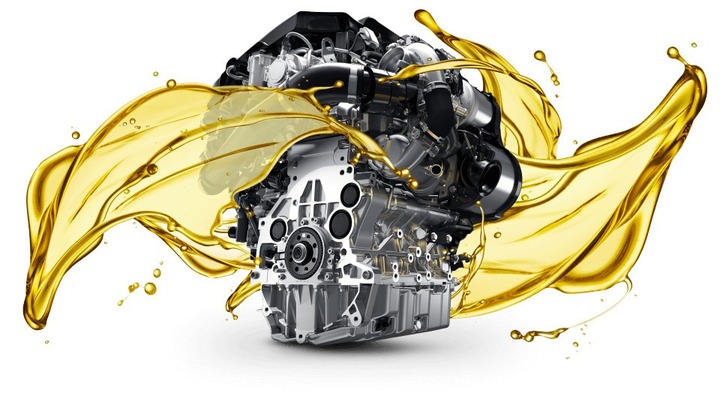
Choosing engine oil can be a simple aspect of owning a vehicle, but the wrong product can have effects that extend far beyond your next oil change. The wrong viscosity or specification may affect the lubrication, fuel economy, engine temperature, noise, and long-term reliability.
For Saudi Arabian drivers, the choice of engine oil is critical. Ambient temperatures, lengthy highway travel, heavy traffic flow, and strenuous driving conditions can place a significant load on an engine. Meanwhile, it is not enough to pick the thickest oil, since it is hot outside. Your car manufacturer has a reason for recommending a reasonable viscosity and performance standard.
When you feel that your car might be running on the wrong motor oil, follow these seven indications.
1. Your Engine Sounds Louder Than Usual
Engine oil forms a protective lubricating layer between moving metal parts. When the oil fails to provide the required viscosity or protection for the engine, you might find that the engine does not sound as smooth or soft as usual.
As an example, an excessively thin oil in a certain engine would not sustain the protective film it would at certain operating conditions. Conversely, the unnecessarily thick oil may circulate differently, especially at startup.
However, abnormal engine sounds may be attributed to several causes and therefore the oil should not be considered the culprit in this case. If the noise was observed shortly after an oil change, compare the grade and specification used to those in your owner’s manual. Early detection of a lubrication problem can help reduce the risk of unnecessary wear or damage to the engine.
2. Fuel Economy Has Suddenly Dropped
The change in fuel consumption could be a good indicator that something is not right.
The viscosity of engine oil affects how easily internal engine components slide on the lubricant. When the oil is much stickier than the engine is designed to operate on, the engine will have to work harder to overcome greater resistance. Consequently, efficiency can be impacted.
Naturally, tyre pressure, driving habits, air filters, fuel-system problems or mechanical problems can also lead to reduced fuel economy. However, when fuel consumption varies shortly after servicing, then a reasonable step in the diagnosis is to check the engine oil.
Saudi Arabian engine oil seekers must therefore pay attention to manufacturer-recommended viscosity and performance values, but not select oil by climate or price.
3. The Engine Feels Sluggish After an Oil Change
Does your vehicle no longer feel responsive after service? The oil grade may be worth checking.
The wrong motor oil, especially the wrong viscosity, can increase internal resistance and affect how easily the engine runs. This may even cause acceleration or overall responsiveness to feel different.
Before replacing the oil, again, ensure that you confirm the viscosity stated in your owner’s manual. For vehicles, the manufacturer allows SAE 5W-30 and the corresponding API specification. Atlantic Super Synthetic Engine Oil SAE 5W-30 API SN is available through Atlantic Oil Store KSA. It is formulated as a fully synthetic multigrade passenger car engine oil; however, it is always important to first determine whether it is compatible with your particular car.
4. Your Oil Pressure Warning Light Comes On
An oil pressure warning light should be addressed, as the engine needs to be lubricated with the right amount of oil.
Even though the warning can be triggered by a low oil level, a faulty sensor, an oil pump failure, or other mechanical problems, an inappropriate engine oil viscosity can also contribute to abnormal lubrication behaviour. Oil that fails to flow to the engine as it should may reduce its ability to reach crucial engine parts.
Never ignore an oil pressure alarm. Check the oil level and perform an appropriate test if the warning light is still on. Driving on with poor lubrication may further lead to severe engine damage.
To maintain their cars properly, KSA drivers should treat dashboard warning messages as diagnostic indicators rather than merely resetting them and driving away.
5. The Engine Runs Hotter Than Normal
Engine oil does more than reduce friction. It is also used to control heat generated by moving parts.
When the lubricant is unable to circulate or provide sufficient protection, there will be a tendency toward friction and high internal temperatures. Abnormal engine temperature must be looked into promptly in the already demanding climate of Saudi Arabia.
However, cooling-system issues that may also result in overheating can include a lack of coolant, radiator, thermostat, or cooling fan. Thus, engine oil is to be treated as part of an overall inspection.
In case your car is specially designed to use SAE 10W-40 API SN, Atlantic Synthech Engine Oil SAE 10W-40 API SN is designed to protect your vehicle in the extreme operating conditions and applications such as passenger cars, SUVs and light vehicles. Once again, it should be used only when the vehicle manufacturer’s specification is the same.
6. You Notice Unusual Oil Consumption
All engines are capable of consuming some amount of oil, especially as they cover miles. However, top-ups can be unexpectedly frequent, which may indicate an issue.
This is because oil viscosity is sometimes unsuitable for use, especially in engines designed around very specific tolerances. However, similar symptoms may be caused by worn piston rings, valve seals, leaks, turbocharger problems, or other mechanical failures.
If you have to keep adding oil between regular services, do not just jump to a much heavier grade without professional advice. Rather, identify any leaks, consult the manufacturer’s specifications, and confirm that you are using the correct engine oil.
For vehicles requiring SAE 10W-30 and the corresponding API standards, Atlantic Oil Store KSA also stocks Atlantic Synthetic Motor Oil SAE 10W-30 API SN/CF. The product page specifically recommends checking the owner’s manual before use.
7. Performance Problems Started Immediately After Servicing
Time may give a significant hint. When your car was performing well before an oil change and suddenly started making more noise, lost efficiency, slowed down, or developed other symptoms, check your oil level.
Look at the SAE grade of viscosity and the specification needed. Even though both oils can be termed as synthetic, their viscosity grades and approvals can be quite different. Mineral oil vs. synthetic oil is not the only aspect in selecting a lubricant.
This is particularly important when choosing engine oil for Saudi Arabia. Climate is important; however, your car’s engineering needs must take precedence. The decision to use a heavier oil than necessary because Saudi Arabia is hot can be a bad one when the grade that you use is not approved by your engine.
Choose the Correct Engine Oil for Your Car in Saudi Arabia
The most prudent method of engine lubrication is straightforward: follow your vehicle manufacturer’s recommendations for viscosity, specifications, and service intervals.
In case your car exhibits any of the mentioned signs, confirm the type of oil that is in use before concluding that there is a significant mechanical issue. Meanwhile, constant warning lights, overheating, high consumption, or strange engine noises should be addressed with a professional check-up, as they could be signs of issues unrelated to the lubricant.
When you need your next oil change, consider the selection of engine oils offered by Atlantic Oil Store KSA and choose the product with the right viscosity and performance standards for your vehicle. The challenge of selecting the right engine oil is a modest yet critical element of ensuring performance, wear, and maintenance in KSA.