Contractors for Better Home Improvement Projects
Posted by Thomas Wilson
Filed in Family & Home 23 views
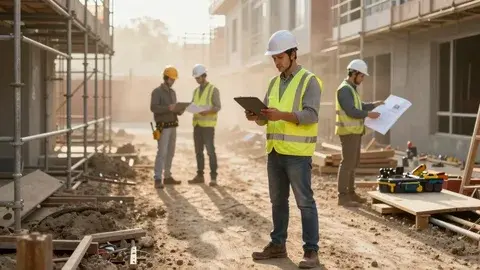
Hiring Contractors can make a major difference when planning a home improvement or building project. A clear plan helps control costs, organize materials, and keep the work moving in the right direction. Before work begins, it is useful to understand the exact changes needed, the available budget, the expected timeline, and the type of work involved. Some projects may require several trades, while others can be handled by one experienced contractor. Good planning also helps prevent unexpected changes during construction. Homeowners should discuss their ideas in detail, review the project scope, and make sure everyone understands what needs to be completed. A well-planned project gives the entire construction process a clear direction from the beginning.
Choosing the Right Construction Approach
Every property has different needs, so the construction approach should match the project. Contractors may work on remodeling, additions, repairs, renovations, flooring, kitchens, bathrooms, exterior improvements, or new construction. The size and complexity of the project can affect the number of workers, materials, tools, and time required. For a small repair, the process may be simple, while a complete home renovation can involve several stages. Homeowners should think about how the finished space will be used and what improvements will provide the most practical value. A written project plan can make it easier to understand the work before construction begins. This preparation can also reduce confusion about materials, design choices, schedules, and project expectations.
Remodeling Services for Changing Spaces
Many homeowners choose Contractors Bronx when they want to update an existing property without moving to a new one. Remodeling can change the appearance, layout, or function of a room while keeping the basic structure of the home. Kitchen remodeling may include new cabinets, countertops, flooring, lighting, and updated fixtures. Bathroom remodeling can involve new showers, tubs, vanities, tile, plumbing fixtures, and storage. Living rooms and bedrooms can also be improved through flooring, wall finishes, lighting, doors, and custom features. Larger remodeling projects may involve changes to walls or room layouts. Before starting this type of work, homeowners should consider the condition of the existing structure and determine which improvements should be completed first.
Kitchen Construction and Renovation
The kitchen is one of the most frequently updated areas in a home, and Contractors can help organize the different parts of a kitchen project. A renovation may include cabinet installation, countertop replacement, backsplash work, flooring, lighting, plumbing, electrical changes, and appliance preparation. The layout should allow enough room for cooking, cleaning, storage, and movement around the space. Cabinet placement is also important because it affects how much storage is available and how easily items can be reached. Homeowners can select materials based on appearance, maintenance needs, and the overall design of the property. Careful measurements and planning before installation can help avoid problems once construction begins and can make the finished kitchen more comfortable to use.
Bathroom Improvements and Repairs
Bathroom projects can range from small repairs to complete renovations, and Contractors can coordinate the construction work needed for larger improvements. A bathroom renovation may involve replacing outdated fixtures, repairing damaged surfaces, installing new tile, improving storage, or changing the layout. Plumbing and electrical systems may also need attention during a major renovation. Moisture control is another important part of bathroom construction because constant exposure to water can damage walls, flooring, and other materials. Proper preparation of surfaces before tile or other finishes are installed can help create a longer-lasting result. Homeowners should also consider ventilation, lighting, storage, and accessibility when planning a bathroom improvement project.
Home Additions and Structural Changes
When a family needs more living space, Contractors may be involved in building an addition or changing the existing layout of a property. Home additions can create extra bedrooms, bathrooms, offices, family rooms, garages, or other useful spaces. Structural changes require careful planning because walls, foundations, roofing, plumbing, electrical systems, and other parts of the home may be connected. Before construction begins, the project should be reviewed to determine the work required and the materials needed. Local building requirements may also apply depending on the type and location of the construction. A well-organized addition should work with the existing home instead of appearing disconnected from it. Design, structure, drainage, insulation, and finishing details all play a role in the final result.
Flooring, Cabinets, and Interior Finishing
Interior finishing can completely change the appearance of a property, and Contractors may handle several finishing tasks during a renovation. Flooring options can include hardwood, laminate, vinyl, tile, and other materials. Cabinets can be installed in kitchens, bathrooms, laundry rooms, garages, and storage areas. Wall repairs, trim, doors, painting, and other finishing work can complete the updated space. Material selection should consider the room's purpose, traffic level, moisture exposure, and maintenance requirements. Proper preparation is just as important as the final material because uneven surfaces or poor measurements can affect the finished appearance. Coordinating different finishing stages also helps the project move from construction into the final cleanup and use of the space.
Exterior Construction and Property Improvements
The outside of a property also requires planning, and Contractors may work on projects such as siding, roofing, decks, patios, exterior repairs, garages, and other improvements. Exterior construction must account for weather exposure, drainage, materials, and the existing condition of the structure. A deck or patio, for example, needs a suitable foundation and proper placement around the home. Roofing work requires attention to the roof structure, underlayment, flashing, drainage, and selected roofing materials. Exterior improvements should also complement the existing design of the property. Before starting work, homeowners can inspect the areas that need attention and identify repairs that may need to be completed before cosmetic improvements are added.
Managing Materials, Costs, and Project Timing
Good project management helps Contractors and homeowners stay organized from the beginning of construction through completion. Materials should be selected before major work starts whenever possible so delays are less likely to occur. Project costs can include labor, materials, permits, equipment, demolition, disposal, and unexpected repairs. Having a clear budget gives homeowners a better understanding of what can realistically be completed. The project schedule should also allow time for material deliveries, inspections, preparation, installation, and finishing work. Changes made during construction can affect both cost and timing, so major decisions should be discussed before work progresses to the next stage. Keeping project details organized makes communication easier and helps everyone understand the current status of the work.
Building a Better Finished Property
Working with Contractors can help homeowners turn construction ideas into practical improvements that fit their property and daily needs. From remodeling kitchens and bathrooms to installing flooring, updating cabinets, repairing exterior areas, or creating additional living space, each project requires planning and attention to detail. The best results usually begin with a clear understanding of the property's condition, the desired improvements, available materials, budget, and project timeline. Homeowners should communicate their expectations before work starts and review important construction details as the project moves forward. A thoughtful approach can help create spaces that are easier to use, more comfortable, and better suited to the way a household lives. Proper planning from the first stage through the final finishing work gives a construction project a stronger foundation for a successful outcome.