Smart Home Services for Connected and Convenient Living
Posted by Thomas Wilson
Filed in Business 26 views
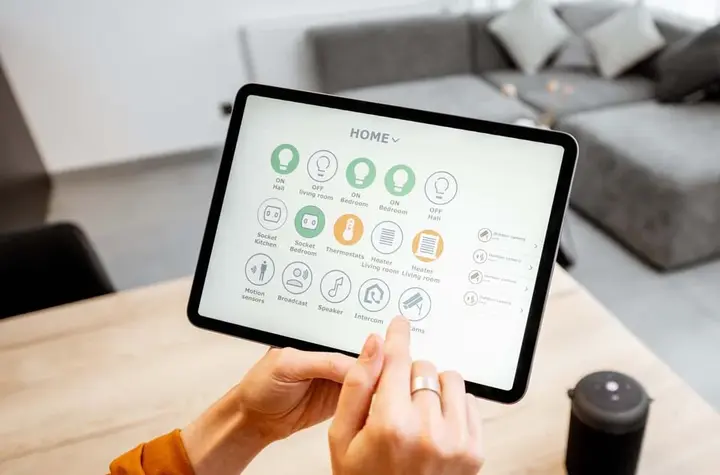
Modern technology has changed the way people use and manage their homes. Smart lights, thermostats, cameras, doorbells, locks, speakers, and other connected devices can make everyday routines easier. Smart Home Services help homeowners install, configure, and organize these devices so they work properly within the home. A smart setup can also reduce the need to control every device separately. With proper planning, different systems can work together through compatible apps, hubs, voice assistants, or automated routines.
Install Smart Lighting Systems
Smart lighting gives homeowners more control over the lights throughout a property. Smart Home Services can include installing connected bulbs, switches, dimmers, sensors, and other lighting equipment. These devices can allow users to adjust brightness, create schedules, or control lights through compatible mobile applications. Motion sensors can also turn lights on when someone enters a particular area. Proper installation and configuration help ensure that the lighting system works with the existing electrical setup and provides convenient control throughout bedrooms, kitchens, living rooms, hallways, and outdoor areas.
Set Up Smart Thermostats
A smart thermostat can provide greater control over indoor temperature and heating or cooling schedules. Smart Home Services in Phoenix AZ can help with installing compatible thermostats and connecting them to the home's network or mobile application. Once configured, users may be able to adjust temperature settings remotely or create schedules based on their daily routines. Proper setup is important because thermostat wiring and system compatibility can vary between properties. A correctly configured smart thermostat can make temperature management simpler while helping homeowners monitor their HVAC system more easily.
Add Smart Security Devices
Connected security devices can provide homeowners with more ways to monitor activity around their property. Smart Home Services may include setting up video doorbells, smart cameras, motion sensors, smart locks, and other compatible equipment. These devices can provide notifications through connected applications and allow users to check certain areas remotely. Camera placement should be planned carefully to provide useful coverage without unnecessary blind spots. Smart locks and sensors also need correct configuration so they communicate properly with the selected home automation system.
Connect Smart Doorbells and Cameras
Smart doorbells and security cameras have become common additions to connected homes. Smart Home Services can help with mounting devices, connecting them to the network, configuring applications, and adjusting settings. Doorbells may include video, motion detection, two-way communication, and notification features. Indoor and outdoor cameras may require different mounting locations based on the areas being monitored. A carefully planned installation can provide useful visibility around entrances, driveways, rooms, and other selected areas while keeping connected devices organized.
Control Devices With Voice Commands
Voice control can make smart home technology easier to use throughout the day. Smart Home Services can help connect compatible lights, thermostats, plugs, speakers, televisions, and other devices to a supported voice assistant. Once configured, users may be able to control multiple devices through simple spoken commands. Creating consistent device names can make voice control easier, especially when several lights or appliances are installed in the same home. Proper configuration also helps different devices communicate with the selected smart home platform.
Connect Smart Home Devices
A smart home becomes more useful when compatible devices can communicate with one another. Smart Home Services can involve connecting devices to a central platform, hub, wireless network, or mobile application. Compatibility should be checked before adding new equipment because not every smart device works with every platform. Organizing devices within one system can make it easier to control them and create automated routines. A well-planned network can also reduce confusion when managing multiple connected products throughout the property.
Create Home Automation Routines
Automation allows connected devices to perform certain actions based on schedules, sensors, or user commands. Smart Home Services can help create routines such as turning lights on at a particular time, adjusting the thermostat during the evening, or activating selected devices when someone arrives home. These routines can reduce the number of manual steps involved in everyday tasks. Automation should be configured according to the household's actual routines and the capabilities of the installed devices. Simple automations can often make a smart home feel much easier to manage.
Improve Home Network Connectivity
Smart devices depend on a stable network connection for many of their features. Smart Home Services can include helping organize connected devices and identifying areas where network coverage may affect performance. Large homes, thick walls, multiple floors, and numerous connected devices can create connectivity challenges. Proper placement of networking equipment and compatible devices can help maintain communication across the property. Keeping the smart home network organized can also make it easier to add new devices as technology needs change.
Build a Smarter Everyday Living Space
A connected home can combine convenience, entertainment, lighting, climate control, and security within one organized system. Smart Home Services can help homeowners install individual devices or develop a broader setup that connects multiple areas of the property. Proper installation, device compatibility, network configuration, and automation planning all contribute to a functional smart home. As new technology becomes available, existing systems can often be expanded with compatible equipment. A thoughtfully planned setup can make everyday routines simpler while giving homeowners greater control over their connected living space.