Restoration Services for a Fresh and Functional Property
Posted by Thomas Wilson
Filed in Business 14 views
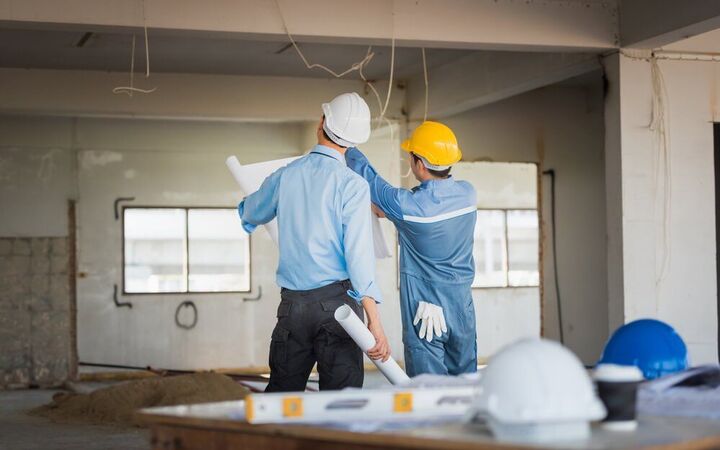
Property damage can happen because of water, fire, storms, aging materials, accidents, or other unexpected events. When damage affects a home or commercial building, the first step is understanding what has happened and which areas require attention. Restoration Services can help organize the process of assessing damage, removing affected materials, repairing damaged areas, and returning the property to a usable condition. Restoration is often more than a simple cosmetic update because visible damage may be connected to problems beneath floors, behind walls, or above ceilings. A careful assessment can help identify the extent of the work and create a practical plan for restoring the property.
Address the Source of the Damage
Before damaged areas are repaired, the cause of the problem should be addressed whenever possible. A leaking pipe, damaged roof, drainage issue, or other source of moisture can continue causing problems if it is not corrected. Restoration Services can help property owners focus on both the visible damage and the conditions that contributed to it. Removing damaged materials without addressing the source may allow the same issue to return. Identifying where the damage began can also help determine which areas need closer inspection. Taking this step early can make the restoration process more effective and reduce the possibility of repeated repairs.
Handle Water Damage Carefully
Water damage can affect flooring, drywall, ceilings, insulation, cabinets, and structural materials. Even when standing water has been removed, moisture may remain in hidden areas and continue affecting the property. Restoration Services in Ontario can involve removing damaged materials, drying affected spaces, and repairing areas that cannot be restored to their previous condition. The extent of the work depends on how much water entered the property and how long the materials were exposed. Areas around plumbing fixtures, roofs, windows, and foundations may require particular attention. Properly addressing water damage can help protect the building and prepare affected rooms for rebuilding and finishing work.
Restore Areas Affected by Fire
Fire can leave behind several types of damage, including burned materials, smoke residue, soot, heat damage, and water exposure from firefighting efforts. Restoration Services after a fire may involve cleaning surfaces, removing damaged materials, repairing walls and ceilings, and restoring affected rooms. Some materials may be repairable, while others may require replacement based on their condition. Smoke can also affect areas that were not directly touched by flames, making a careful assessment important. The restoration process should consider the different forms of damage throughout the property. Addressing each affected area systematically can help move the building toward a clean and usable condition.
Repair Storm and Weather Damage
Severe weather can damage roofs, windows, siding, walls, flooring, and other parts of a property. Wind, heavy rain, hail, and fallen branches can create openings that allow additional water to enter the building. Restoration Services can help address areas affected by weather-related damage and organize necessary repairs. Temporary protection may be needed while permanent repairs are being planned. Water that enters through damaged roofing or windows should be addressed quickly to reduce additional deterioration. Reviewing both the exterior and interior can help identify problems that may not be immediately visible. Restoring weather-damaged areas can help return the property to a safer and more functional condition.
Repair Walls and Ceilings
Walls and ceilings can show some of the most noticeable signs of property damage. Stains, holes, cracks, peeling surfaces, damaged drywall, and discoloration can all affect the appearance of a room. Restoration Services may include removing damaged sections, repairing drywall, treating affected surfaces, and preparing walls and ceilings for new finishes. Before these repairs are completed, moisture or other underlying problems should be addressed. Simply covering a damaged area with paint may hide the visible mark without resolving the cause. Proper surface repair can create a cleaner foundation for painting, texture, trim, and other finishing work.
Restore Damaged Flooring and Finishes
Flooring can be affected by water, fire, impact, heavy use, or other forms of property damage. Depending on the material, restoration may involve cleaning, drying, repairing, refinishing, or replacing affected sections. Restoration Services can help determine which parts of the floor require attention based on their current condition. Hardwood, tile, carpet, vinyl, and other materials respond differently to damage, so the appropriate repair approach can vary. Areas beneath the flooring should also be considered because hidden moisture or structural problems can affect newly installed materials. Careful floor restoration can improve both the appearance and usability of affected rooms.
Protect Important Building Components
Some property damage extends beyond visible finishes and can affect insulation, framing, subfloors, roofing components, or other parts of the building. Restoration Services can include attention to these underlying areas when damage is more extensive. Structural or building-system concerns may require additional evaluation before reconstruction continues. Repairing visible surfaces without addressing deeper damage can lead to recurring problems. Understanding what is behind damaged walls, ceilings, or floors can help create a more complete restoration plan. Taking care of important building components before finishing work begins provides a better foundation for restoring the property.
Coordinate Repairs and Reconstruction
Restoration projects can involve several stages, and the order of those stages can affect the final result. Removal, drying, cleaning, structural repairs, electrical or plumbing work, drywall, flooring, painting, and final cleanup may all be required depending on the situation. Restoration contractor in Ontario can help organize these tasks so each stage is completed at an appropriate time. Repairs to hidden systems should generally be handled before walls and ceilings are closed, while finishing work comes after the underlying areas are ready. Good coordination can reduce repeated work and help protect newly repaired surfaces. An organized process also makes it easier to track progress from initial damage assessment to completion.
Bring the Property Back to Use
The final goal of restoration is to return a damaged property to a clean, functional, and comfortable condition. Restoration Services can address different types of damage while helping property owners organize repairs and reconstruction. Each project is different, so the required work depends on the cause, location, and extent of the damage. Addressing underlying problems, repairing affected building components, and completing appropriate finishing work can help restore the property's appearance and usability. Careful planning also provides an opportunity to identify areas that may need future maintenance. With a structured approach, restoration can help turn a damaged or deteriorated property back into a space that is ready for everyday use.