Property Inspection for Better Property Care and Planning
Posted by Thomas Wilson
Filed in Business 5 views
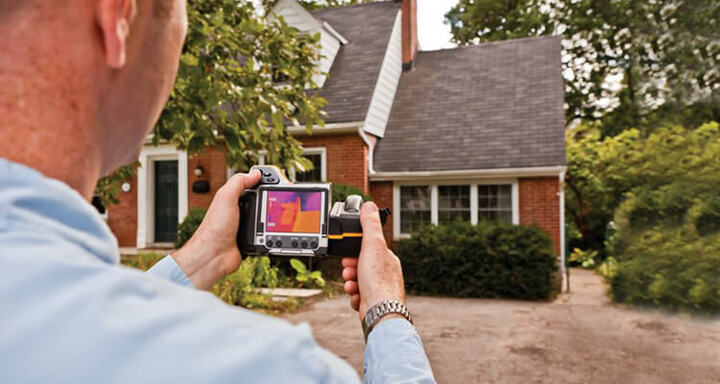
A property can look clean and well maintained while still having areas that need attention. A Property Inspection provides an opportunity to review accessible parts of a building and identify visible conditions that may affect maintenance, safety, or everyday use. The inspection may cover the exterior, roof, plumbing, electrical components, heating and cooling equipment, interior areas, drainage, and other accessible features. Having this information can help buyers understand a property before purchasing and help existing owners plan repairs. A detailed review does not identify every hidden issue, but it can provide useful information about the current condition of the building.
Examine the Exterior for Visible Problems
The exterior protects a building from rain, wind, moisture, and other environmental conditions. During a Property Inspection, accessible exterior features can be reviewed for visible cracks, damaged siding, deteriorated trim, damaged doors, window problems, and other signs of wear. The surrounding ground should also receive attention because poor grading or drainage can direct water toward the foundation. Water that repeatedly collects near a building can contribute to moisture-related problems over time. Identifying these conditions early can help property owners plan maintenance and determine if additional evaluation is needed in specific areas.
Review Roofing and Drainage Features
A roof is an important part of a property's protective system. A Property Inspection in Punta Gorda can include a visual review of accessible roofing materials, flashing, gutters, downspouts, and other visible components. Missing or damaged roofing materials, deteriorated flashing, water stains, and drainage problems may indicate that maintenance or further evaluation is necessary. Gutters and downspouts should direct water away from the building rather than allowing it to collect near the foundation. A general inspection does not replace a specialized roofing assessment, but it can provide useful observations about visible roof conditions and help owners plan future maintenance.
Check Plumbing and Water-Related Areas
Water systems support many everyday activities, but plumbing problems can cause significant damage when they remain unnoticed. During a Property Inspection, accessible sinks, faucets, toilets, drains, pipes, water heaters, and areas beneath fixtures may be reviewed for visible signs of concern. Leaks, stains, corrosion, damaged connections, and drainage issues can indicate that further attention may be necessary. Kitchens, bathrooms, laundry areas, and utility spaces deserve particular consideration because moisture problems can affect nearby floors, walls, cabinets, and other materials. When a significant plumbing issue is identified, specialized evaluation may be needed to determine its exact source.
Evaluate Accessible Electrical Components
Electrical systems should be reviewed carefully because problems can affect both property use and safety. A Property Inspection may involve looking at accessible outlets, switches, electrical panels, fixtures, wiring, and other visible components. Damaged outlets, missing covers, exposed wiring, unusual modifications, or other noticeable conditions may indicate that additional evaluation is required. A general inspection is not a substitute for specialized electrical testing or repair. If a concern is found, a qualified electrician can provide a more detailed assessment. Understanding visible electrical conditions can help property owners prioritize repairs and address potential safety concerns appropriately.
Inspect Heating and Cooling Systems
Heating and cooling equipment can have a significant effect on indoor comfort and operating costs. During a Property Inspection, accessible HVAC equipment, thermostats, vents, ductwork, and related components may be reviewed for visible damage, maintenance concerns, and basic operation where possible. The inspection can provide information about the general condition of major equipment without replacing specialized HVAC testing. Buyers may find this information useful when considering the age and apparent condition of heating and cooling systems. Existing owners can also use inspection findings to plan maintenance or determine when further evaluation may be appropriate.
Look at Interior Rooms and Structures
Interior spaces can provide important clues about a property's condition. A Property Inspection may include accessible walls, ceilings, floors, stairs, doors, windows, cabinets, and other visible features. Cracks, stains, uneven surfaces, damaged finishes, sticking doors, and other defects may require attention. Some findings may be cosmetic, while others could point to moisture, movement, deterioration, or maintenance concerns. Reviewing these areas carefully can help create a more complete picture of the property. Property owners can then organize repairs based on urgency and determine if a specialist should examine a particular condition in greater detail.
Identify Moisture and Ventilation Concerns
Moisture is an important consideration because prolonged exposure can damage building materials and contribute to deterioration. During a Property Inspection, accessible areas may be reviewed for water stains, damp materials, condensation, damaged surfaces, and other visible indications of moisture. Basements, crawl spaces, attics, bathrooms, kitchens, and areas around windows may deserve particular attention. Ventilation can also affect indoor moisture levels, especially in areas that produce steam or humidity. An inspection can identify visible signs that may require further testing or investigation. Addressing moisture concerns early can help protect the property's materials and reduce future maintenance problems.
Review Safety and Maintenance Needs
Regular maintenance can help prevent small property concerns from becoming larger problems. A Property Inspection can bring visible maintenance and safety conditions to the attention of homeowners, buyers, or sellers. Stairs, railings, walkways, windows, doors, electrical components, and other accessible features may be reviewed for noticeable issues. Documenting these findings can make it easier to create a practical repair schedule. Some conditions may require immediate attention, while others can be included in a longer-term maintenance plan. Understanding the difference can help property owners manage their time and resources more effectively.
Use Inspection Findings for Better Decisions
A Property Inspection can provide useful information for anyone responsible for buying, selling, maintaining, or managing a building. Buyers can learn more about visible conditions before completing a purchase, while sellers can identify potential maintenance concerns before placing a property on the market. Existing owners can use inspection findings to organize repairs and plan future improvements. An inspection cannot predict every future problem or identify every concealed defect, but it can highlight accessible conditions that deserve consideration. By reviewing the findings carefully and arranging specialized evaluations when necessary, property owners can make informed decisions about maintenance, repairs, improvements, and long-term property care.