Construction Company for Well-Planned and Functional Properties
Posted by Thomas Wilson
Filed in Business 1 view
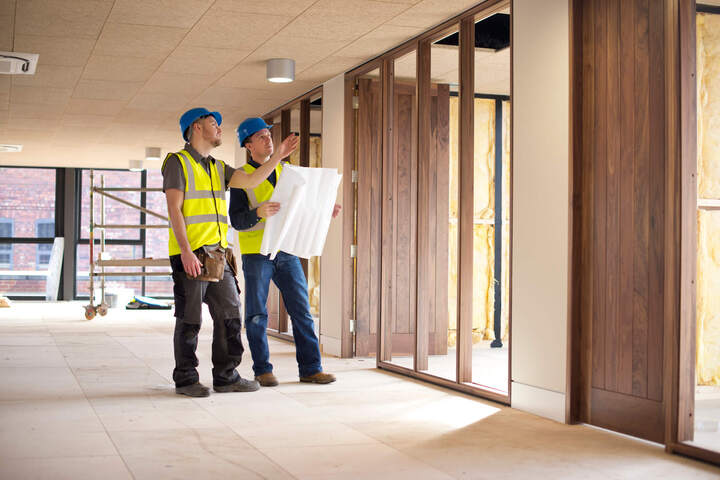
A construction project requires careful preparation before physical work begins. A Construction Company can be involved in new construction, property additions, remodeling, renovations, repairs, and other building improvements. Before starting a project, property owners should identify the purpose of the work, available space, desired features, and expected outcome. Planning these details early can make it easier to organize materials, labor, schedules, and other project requirements. A clear plan also helps reduce unnecessary changes and provides a practical foundation for each stage of construction.
Evaluate the Site and Existing Structure
The condition of a property can affect what construction work is possible and how it should be completed. A Construction Company may consider existing walls, floors, roofing, foundations, plumbing, electrical systems, drainage, and other building features during the planning process. For new construction, the site may also need to be considered for access, grading, utilities, and surrounding conditions. Identifying these factors before work begins can help reveal potential challenges early. A thorough understanding of the property allows construction plans to be developed around actual site conditions rather than assumptions.
Select Materials for the Intended Use
Materials contribute to the strength, appearance, maintenance requirements, and longevity of a finished building. A Construction Company in Washington may work with concrete, steel, wood, drywall, insulation, roofing products, flooring, tile, siding, and many other materials. Each product should be selected according to where it will be installed and how the area will be used. High-traffic spaces may require durable surfaces, while bathrooms and exterior areas may need materials suitable for moisture exposure. Considering both appearance and practical performance can help create a property that remains functional and easier to maintain.
Improve Interior Layouts and Flow
A property's interior layout can have a major influence on comfort and everyday usability. A Construction Company can coordinate changes involving walls, ceilings, doors, flooring, storage, and room divisions. Some properties have spaces that are difficult to use because of narrow pathways, poor room connections, or limited storage. Construction can provide an opportunity to reorganize these areas and make better use of the available space. Existing structural elements and utility systems should be reviewed before significant changes are made. A well-planned layout can create a more practical environment for residential or commercial use.
Create Practical Kitchens and Bathrooms
Kitchens and bathrooms require careful coordination because plumbing, electrical systems, fixtures, surfaces, lighting, and storage all need to work together. A Construction Company can organize construction work involving cabinets, countertops, flooring, showers, tubs, vanities, appliances, and ventilation. Kitchen layouts should allow enough room for preparation, cooking, cleaning, and movement. Bathrooms should include suitable fixtures and materials that can handle regular moisture. Accurate measurements and careful planning can help prevent conflicts between different components and create rooms that are easier to use and maintain.
Manage Structural Building Work
Structural construction forms an important part of many building projects. A Construction Company may coordinate foundations, framing, walls, floors, roofing, additions, and other major components depending on the scope of work. Structural modifications require careful consideration because changing one part of a building can affect other areas. Depending on the project and location, permits, inspections, engineering assessments, or specialized services may also be required. Addressing these factors before construction begins can help create a more organized process and reduce unexpected changes during the project.
Coordinate Electrical and Plumbing Systems
Modern properties depend on electrical and plumbing systems that must be integrated with the overall building design. A Construction service in Washington can coordinate outlets, switches, lighting, wiring, water lines, drainage, fixtures, and appliance connections with other construction activities. These systems are often installed before walls and ceilings are completed, so scheduling is important. Proper coordination can help prevent conflicts between different trades and reduce the need to modify finished surfaces later. Electrical and plumbing work should follow applicable requirements and be completed by appropriately qualified workers when specialized installation is needed.
Develop Useful Exterior Areas
The exterior of a building provides protection from weather while also affecting the property's appearance and usability. A Construction Company can coordinate roofing, siding, windows, exterior doors, decks, porches, additions, and other outdoor improvements. Materials should be selected based on their intended use and exposure to local conditions. Properly planned exterior features can help manage moisture and weather exposure while supporting the condition of the structure. Outdoor construction can also provide additional areas for relaxation, access, storage, or business activities. A coordinated exterior design can complement the rest of the property.
Maintain an Organized Construction Process
Construction involves many tasks that need to be completed in the right order. A Construction Company can help coordinate workers, materials, deliveries, equipment, and schedules throughout the project. Keeping the worksite organized can make it easier to move materials and access different areas. Completed sections should be protected while unfinished work continues nearby. Safety practices should also be maintained throughout construction, particularly when using heavy equipment, tools, electrical systems, elevated work areas, or large building materials. Good organization can help reduce interruptions and keep the project moving toward completion.
Prepare the Property for Long-Term Use
A finished construction project should provide practical benefits beyond its initial appearance. A Construction Company can coordinate final details such as fixtures, surfaces, doors, trim, flooring, roofing, and other finishing features. Once construction is complete, property owners should understand the care and maintenance required for the new materials and systems. Regular attention can help preserve the condition of the building and identify minor problems before they become larger concerns. With thoughtful planning, suitable materials, coordinated construction, and consistent maintenance, a property can become a stronger, more comfortable, and more functional space for years to come.