Construction Service for Practical and Lasting Property Improvements
Posted by Thomas Wilson
Filed in Business 1 view
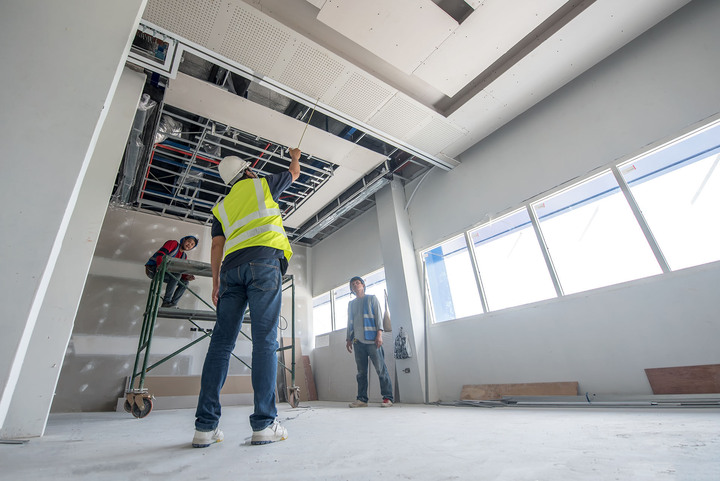
A construction project involves many details that need to be considered before work begins. From the purpose of the property to the materials, layout, schedule, and required systems, each decision can affect the finished result. A Construction Service can help organize the different stages of building, renovation, or property improvement work. Starting with a clear plan makes it easier to establish priorities and understand what the project requires. Measurements, existing property conditions, site access, and utility requirements should be reviewed early. Careful planning can also reduce unexpected changes and help keep the work moving in a logical order.
Understand the Existing Property
Before making major changes, it is important to understand the condition of the property and the area where construction will take place. Walls, flooring, foundations, roofing, plumbing, electrical systems, drainage, and other existing components may affect what can be changed. A Construction Service can take these conditions into account when planning the work. Existing problems should be identified before new materials are installed or spaces are redesigned. A clear understanding of the property can help determine which areas need repair, replacement, reinforcement, or improvement. This approach creates a more practical starting point for the construction process.
Choose Materials for Long-Term Use
Materials influence both the appearance and everyday performance of a property. Concrete, wood, brick, steel, drywall, tile, flooring, roofing products, insulation, and other materials may be used depending on the project. A Construction Service in Oregon City can help coordinate material choices according to the building's purpose, location, design, and maintenance requirements. Materials should be suitable for the conditions in which they will be used rather than selected only for appearance. Considering durability, maintenance, moisture exposure, traffic, and expected use can help create a finished property that remains practical over time. Proper material planning can also reduce unnecessary replacements later.
Build Around the Intended Use
Every building has different requirements based on how its spaces will be used. A home may need comfortable bedrooms, practical kitchens, useful storage, and functional living areas, while a commercial property may require workspaces, customer areas, storage, and specialized facilities. A Construction Service can organize construction around these intended uses. Room dimensions, entrances, lighting, electrical outlets, plumbing connections, and storage should all be considered during planning. Designing around actual daily activities can make the finished property easier to use. A practical layout can also help avoid wasted space and unnecessary changes after construction is complete.
Coordinate Plumbing and Electrical Work
Plumbing and electrical systems are essential parts of modern construction and need to be coordinated with the building layout. Kitchens, bathrooms, utility areas, offices, and other spaces may require specific connections and fixtures. A Construction Service can coordinate these systems with structural and interior work so different stages do not interfere with one another. Pipes, drains, outlets, switches, lighting, and equipment connections should be planned before walls and ceilings are finished. Proper coordination can reduce the need to reopen completed areas and make the overall construction process more organized. Specialized work should be handled according to applicable requirements and by appropriately qualified tradespeople.
Improve Interior Comfort and Function
Construction can provide an opportunity to improve how a property feels and functions on a daily basis. Insulation, windows, doors, ventilation, lighting, flooring, and interior finishes can all influence comfort. A Construction Service can incorporate these features into the project according to the property's needs. Well-planned lighting can make work areas easier to use, while appropriate ventilation can help manage indoor air movement and moisture. Flooring and wall finishes should also be selected according to the purpose of each room. Combining practical improvements with suitable design choices can create interior spaces that work better for the people using them.
Organize the Construction Schedule
Construction projects often involve several stages that depend on one another. Site preparation may need to happen before foundation work, while framing, utilities, insulation, drywall, flooring, painting, and fixtures generally follow a planned sequence. A Construction Service can help coordinate these stages so work progresses in an organized manner. Materials should be available when they are needed, and different trades should have suitable access to the work areas. Regular communication can help identify changes or delays early. A structured schedule makes it easier to monitor progress and understand what needs to happen next during the project.
Prepare the Site for Safer Work
A construction site needs to remain organized so workers can move materials and equipment without unnecessary obstacles. Access routes, storage areas, work zones, debris, tools, and building materials should be managed throughout the project. A Construction Service can include site organization as part of the overall construction process. Keeping work areas orderly can make it easier to locate materials and maintain clear pathways. Appropriate precautions should also be followed according to the type of construction being performed. A well-managed site supports better coordination and helps the different stages of construction progress without avoidable interruptions.
Review the Finished Work Carefully
Before construction is considered complete, the property should be reviewed to identify unfinished tasks or areas that require correction. A Construction company in Oregon City can help coordinate the final stage of the project, including reviewing finishes, fixtures, doors, windows, flooring, walls, and other completed work. Installed systems should also be checked according to the project's requirements. Any remaining issues should be documented and addressed before final completion. A careful review provides an opportunity to identify small problems while access to the construction team and work areas is still available. This final stage helps bring the project to a more complete and organized finish.
Maintain Your Property After Construction
Regular maintenance helps protect the improvements made during a construction project. Roofs, walls, flooring, plumbing, electrical systems, windows, doors, drainage, and other components should be monitored as the property is used. A Construction Service may complete the building or improvement work, but ongoing care remains important for the property owner. Small repairs should be addressed before they become larger concerns, and maintenance records can help with future planning. Cleaning materials according to their care requirements and inspecting important areas periodically can also help preserve the finished work. With proper maintenance, construction improvements can continue supporting a functional and comfortable property for years to come.