Home Construction Service for a Better Built Living Space
Posted by Thomas Wilson
Filed in Business 0 views
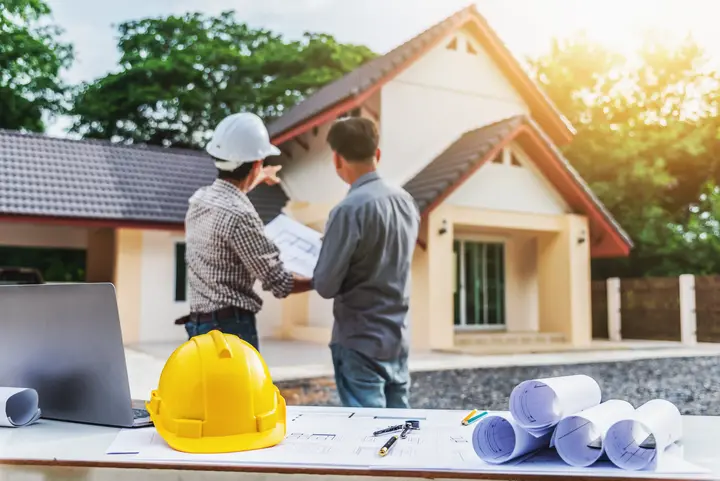
Building a home involves much more than putting walls and a roof together. The process includes planning, site preparation, structural work, utilities, interior finishes, and many smaller decisions that influence how the finished property functions. A Home Construction Service can bring these stages together under one organized project plan. Before construction starts, homeowners should consider the size of the property, room requirements, preferred layout, materials, budget, and expected timeline. The land itself also needs attention, including access, drainage, soil conditions, and existing utilities. Starting with a clear understanding of these factors makes it easier to coordinate the work and create a home that suits everyday needs.
Prepare the Building Site Properly
The condition of the building site can influence many parts of the construction process. Clearing the area, establishing access, preparing the ground, addressing drainage, and marking the building footprint are common early requirements. A Home Construction Service can coordinate these activities before foundation work begins. The property should also be reviewed for utility connections, boundaries, surrounding structures, and other site conditions that could affect construction. Proper grading is particularly important because water needs to move away from the finished structure rather than collect around the foundation. Taking care of site preparation at the beginning can reduce complications during later stages. A well-organized site also provides workers with better access and creates a more suitable environment for construction activities.
Build a Strong Structural Foundation
The foundation provides support for the entire home, making its design and construction an important stage of the project. Soil conditions, building weight, drainage, and the planned structure all influence foundation requirements. A Home Construction Service in Spring Valley can coordinate foundation work with the broader building plan so that the structure develops from a suitable base. Once the foundation is established, framing, load-bearing walls, floors, and other structural components can be constructed according to the design. Structural work should be carefully sequenced because later systems depend on the building framework being correctly positioned. Paying attention to measurements, connections, and site conditions during this stage can establish a solid base for the remaining construction process.
Design Rooms Around Daily Routines
A home should be arranged around the way people actually live. Room sizes, door locations, hallways, storage, natural light, and connections between spaces can all affect everyday comfort. A Home Construction Service can help organize construction around a layout that reflects household routines rather than focusing only on appearance. Kitchens need practical work areas, bedrooms require appropriate furniture space, and bathrooms need comfortable access to fixtures. Shared living spaces may benefit from flexible layouts that accommodate different activities. Storage should also be considered early because adding it later can be more difficult. Planning these details before construction advances can reduce changes and create rooms that feel natural to use once the home is completed.
Install Plumbing and Electrical Systems
Plumbing and electrical systems need to be planned before many walls and ceilings are finished. Water lines, drains, electrical wiring, outlets, switches, lighting, and other utility components should correspond with the home's final layout. A Home Construction Service can coordinate these systems with framing, kitchens, bathrooms, utility areas, and other parts of the structure. Appliance locations should also be considered when determining electrical and plumbing connections. Planning these systems early helps prevent conflicts between different construction stages. It also makes future use more convenient because outlets, fixtures, lighting, and water connections can be positioned where they are actually needed. Once the walls are closed, changing these elements can become considerably more disruptive.
Choose Materials for Comfort and Durability
The materials selected during construction affect how the home looks, performs, and ages. Roofing, windows, flooring, doors, insulation, cabinets, countertops, siding, and other components should be chosen according to their intended use. A Home Construction Service can help coordinate material requirements throughout the different stages of the project. Kitchens and bathrooms need materials suited to moisture and frequent cleaning, while floors in busy areas need to handle regular traffic. Exterior materials must also withstand local weather conditions. Availability, maintenance requirements, installation methods, and expected lifespan should be considered alongside appearance. Choosing materials based on practical needs can create a home that remains comfortable and easier to maintain over the years.
Make Energy Efficiency Part of the Design
Energy-related features are easier to address when they are considered before construction is complete. Insulation, windows, doors, lighting, heating and cooling systems, and ventilation can all influence indoor comfort and energy use. A Home Construction Service can incorporate these elements into the overall building plan rather than treating them as last-minute additions. The home's orientation and window placement may also affect natural lighting and indoor temperatures. Proper sealing around openings can reduce unwanted drafts, while suitable insulation can help maintain more consistent indoor conditions. The exact improvements will depend on the property and climate, but considering efficiency during construction can support long-term comfort and reduce the need for major changes later.
Add Storage Where It Will Be Most Useful
Storage is easy to overlook when concentrating on major construction features, yet it has a significant effect on how a home functions. Closets, cabinets, shelving, utility storage, and built-in spaces can be incorporated into the design before walls and finishes are completed. A Home Construction Service can coordinate these features with room dimensions and household requirements. Entry areas may benefit from storage for shoes and outdoor items, while kitchens need practical cabinet arrangements for cookware and supplies. Bedrooms can use organized closets, and utility areas may require dedicated space for cleaning equipment. Planning storage during construction allows available space to be used more effectively and can reduce clutter throughout the finished home.
Coordinate Finishing Work Carefully
After the main structure and utility systems are in place, finishing work gives the home its final character. Flooring, painting, trim, cabinets, doors, lighting fixtures, bathroom fittings, and other details need to be completed in a logical sequence. A Home Construction Service can coordinate these tasks so that one stage does not interfere with another. For example, some surfaces need to be completed before fixtures are installed, while certain finishing materials require clean and protected areas. Careful scheduling can reduce unnecessary rework and protect newly installed components. Final finishes should also complement the home's layout and intended use. Attention to these details can turn a completed structure into a comfortable living environment.
Review the Home Before Moving In
The final review provides an opportunity to look at the completed property as a whole. A Home Construction Service can coordinate final checks, remaining adjustments, cleanup, and other tasks before the home is ready for occupancy. Homeowners should review rooms, fixtures, doors, windows, lighting, plumbing, finishes, exterior areas, and other accessible components. Any incomplete or damaged work should be documented and addressed before the project is considered finished. It is also useful to keep records of installed materials, equipment, maintenance requirements, and other important property information. A thorough final stage helps ensure the newly built home is organized, functional, and prepared for everyday living. Good planning throughout construction creates a stronger foundation for comfortable use long after the project ends.